

In the fast-evolving Sui ecosystem as of February 2026, ecosystem builders are turning to Sui Move DeFi liquidity pools to power custom tokens and dApps. With DeepBook providing a native central limit order book for stable liquidity, developers still need lightweight, bespoke pools for niche protocols. This Sui smart contract DeFi tutorial walks you through building a simple automated market maker-style pool using the Move language liquidity pool Sui primitives, leveraging Sui's object-centric model for ironclad security.
Build a Simple Sui Move Liquidity Pool: Core Mechanics Guide
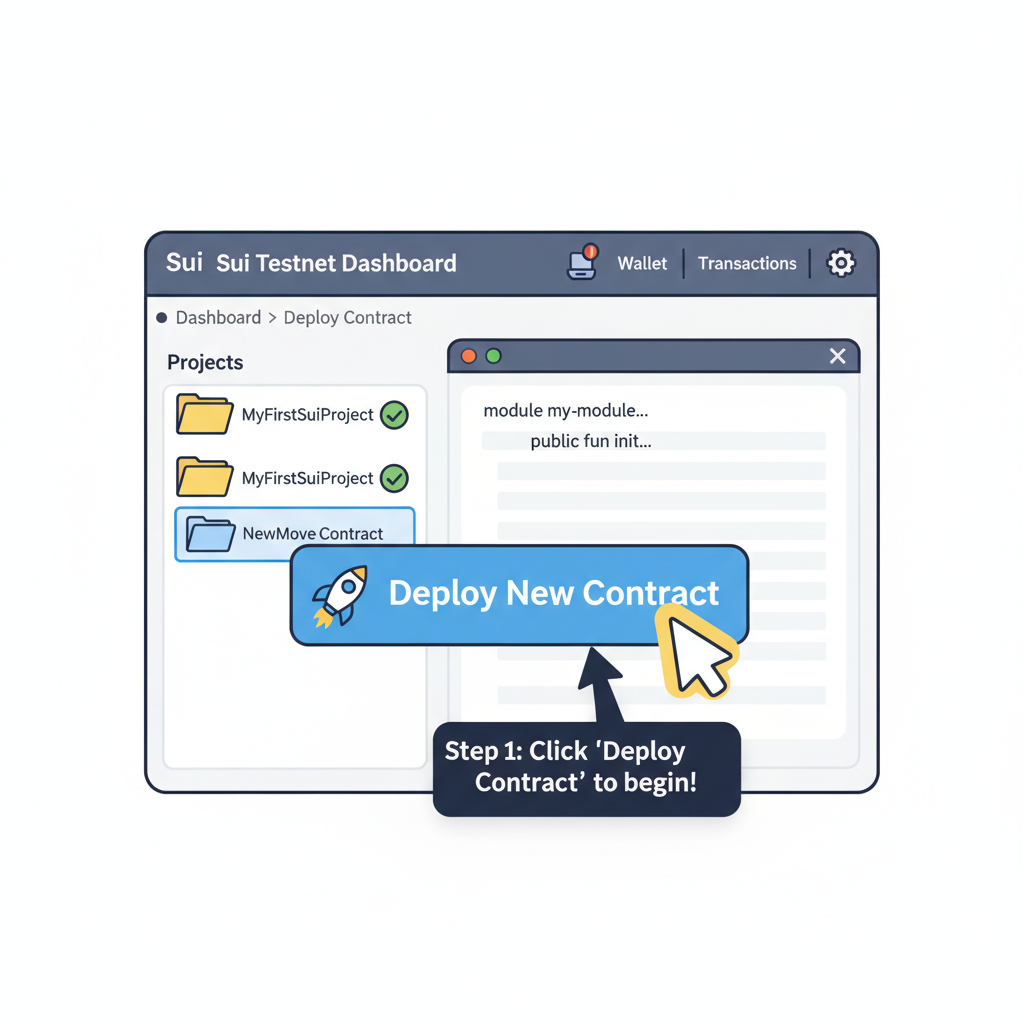
Sui Move's Edge Over Traditional DeFi Frameworks
Sui Move flips the script on smart contract vulnerabilities. Unlike Solidity's mutable storage, Move's linear types and resource ownership ensure assets like pool reserves can't be double-spent or reentered maliciously. Data from Trail of Bits highlights how this rethink slashes flash loan exploits, a plague in EVM chains. For ecosystem builders, this means your Sui Move DeFi liquidity pool deploys with fewer audits needed.
DeepBook's launch integrates seamlessly, but a custom pool lets you control fees, oracles, and incentives. Platforms like Cetus and Scallop simplify provision, yet coding your own unlocks tailored logic, such as dynamic fees based on volatility or token-specific rewards.
Sui's object model treats liquidity as owned assets, not shared globals - pure genius for DeFi primitives.
Setting Up for Sui Smart Contract Development
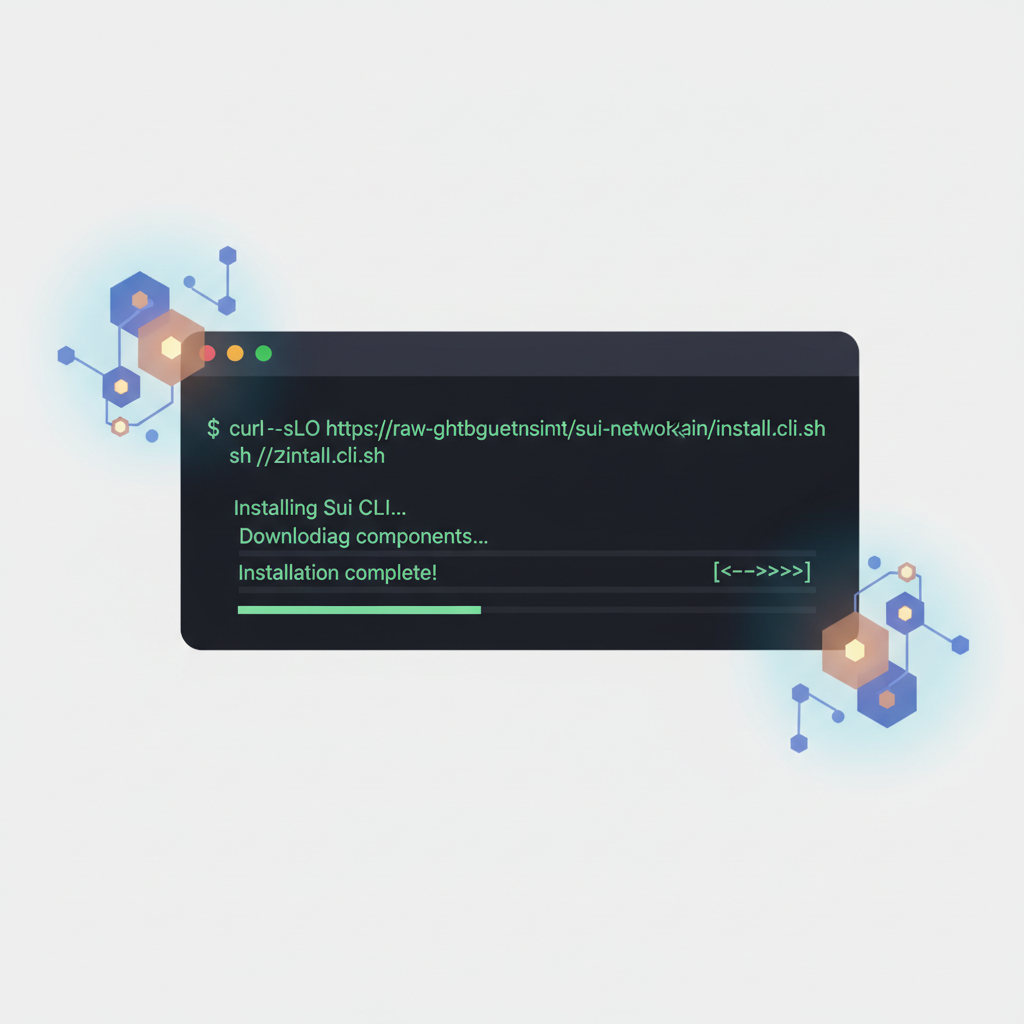
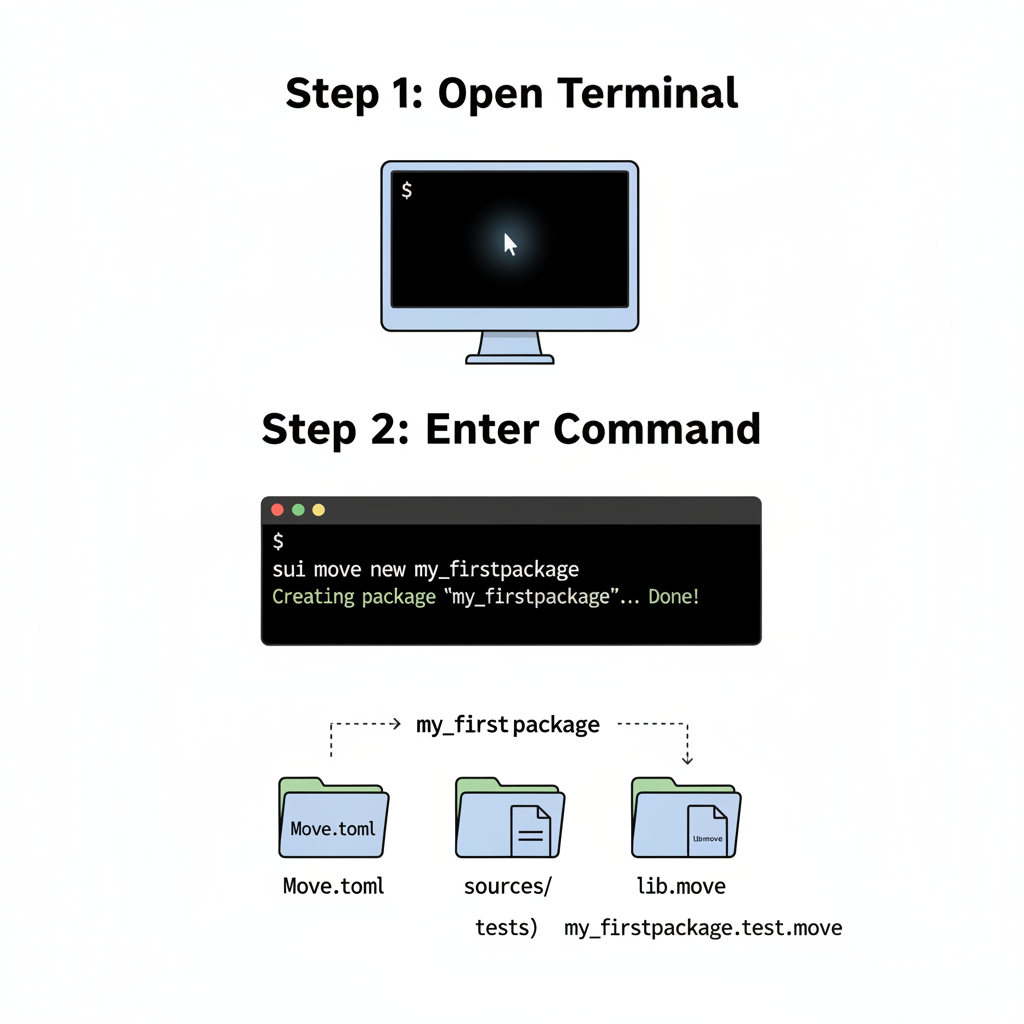
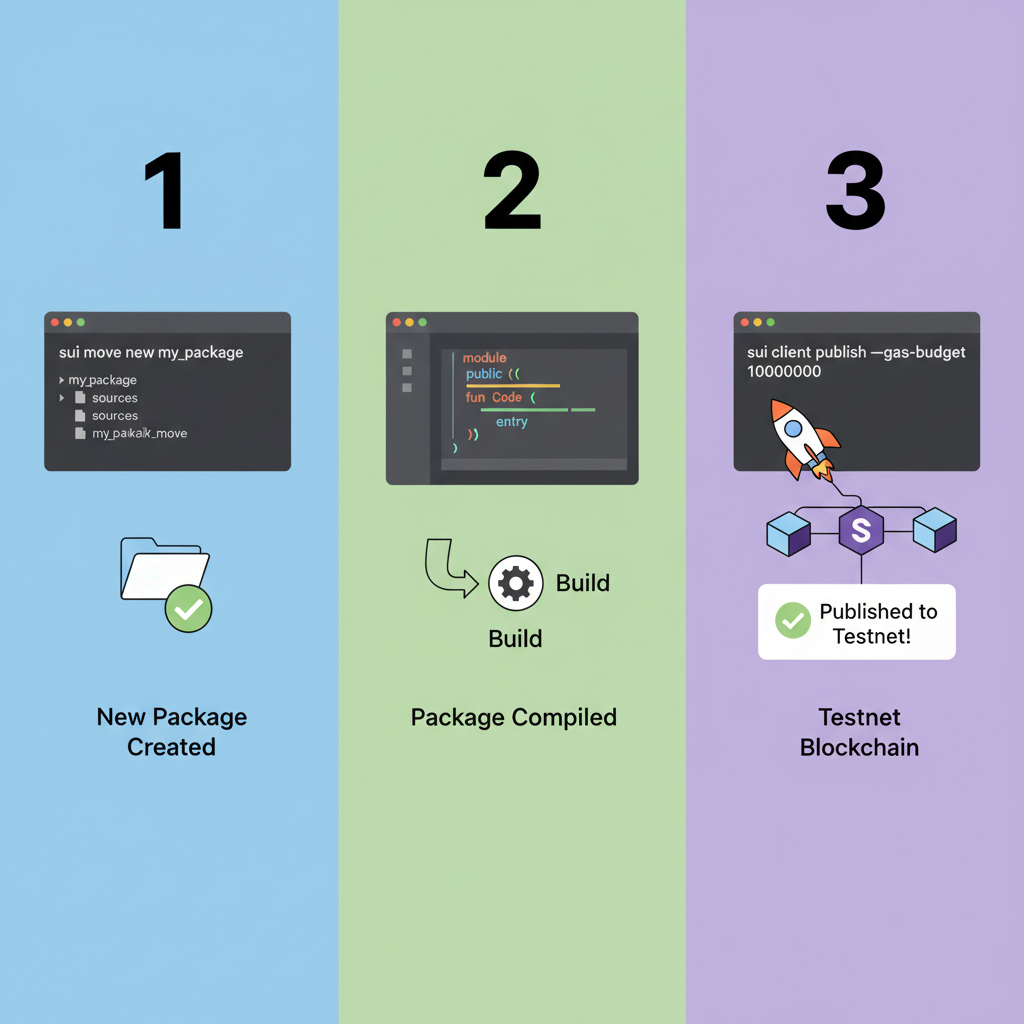
Start with the Sui CLI: install via sui move new my_lp_project. Familiarity with Move basics is key; Thouny's Medium series on coin issuance nails the entry point. Use Move conventions from Sui docs - camelCase modules, descriptive errors - to keep code readable.
Key dependencies: Sui's coin module for ERC20-like tokens, plus clock and balance libs. Testnet deployment via sui client publish confirms gas efficiency; expect under 10k MIST for a basic pool init.
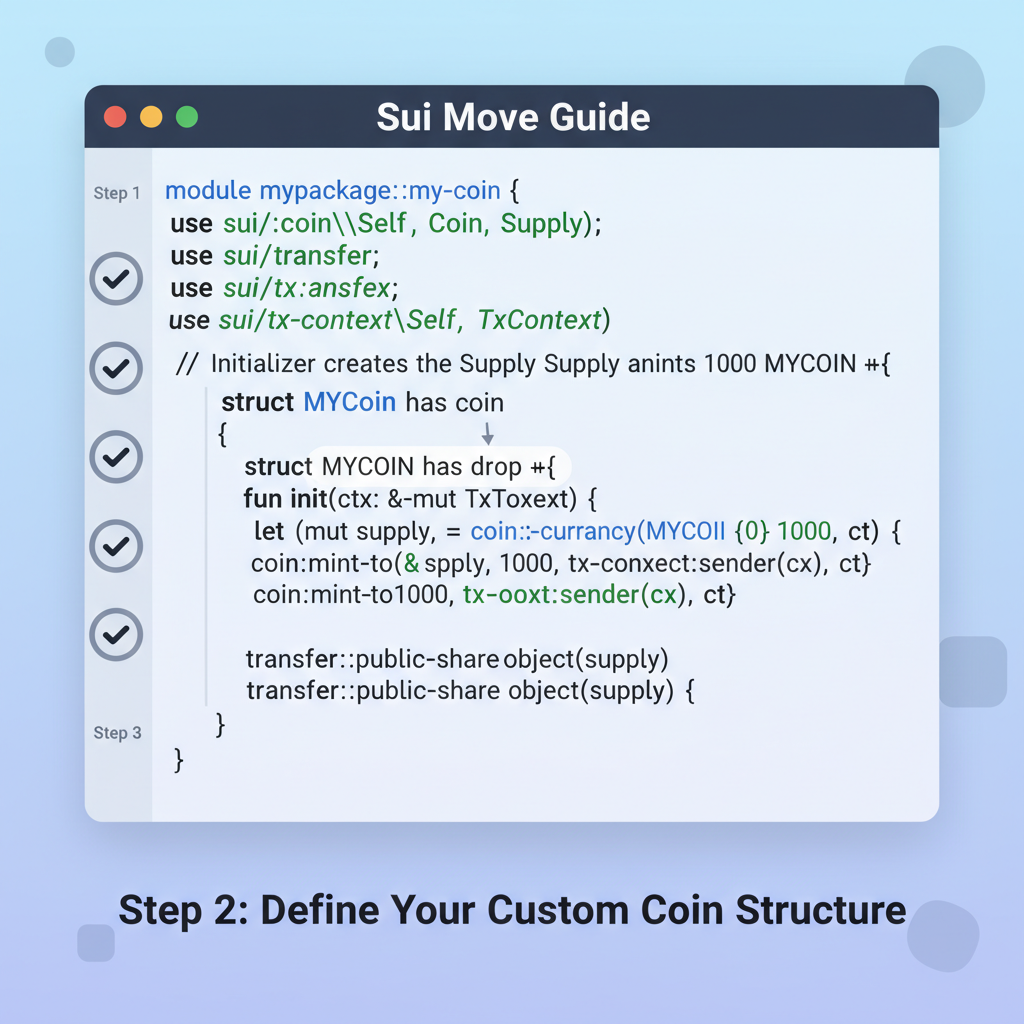
Custom Coin Module
This Sui Move module defines a custom coin `TUT` for liquidity pools. It includes an init function that creates and freezes metadata, a mint function using TreasuryCap, and a freeze function to halt minting by freezing the TreasuryCap.
```move
module tutorial::custom_coin {
    use std::option;
    use sui::coin::{Self, Coin, TreasuryCap};
    use sui::transfer;
    use sui::tx_context::{Self, TxContext};
    use sui::url::{Self, Url};

    /// The custom coin type
    struct CUSTOM_COIN has drop {}

    /// Initialize the coin. TreasuryCap is sent to sender.
    fun init(witness: CUSTOM_COIN, ctx: &mut TxContext) {
        let (treasury_cap, metadata) = coin::create_currency(
            witness,
            9,                // decimals
            b"TUT",           // symbol
            b"Tutorial Coin", // name
            b"",              // description
            option::some(url::new_unsafe_from_bytes(b"/image/legacy/wp/100/assets/8982bb9bc7d792f1-tut.png")),
            ctx
        );
        // Freeze metadata so it can't be updated
        transfer::public_freeze_object(metadata);
        // Send TreasuryCap to sender
        transfer::public_transfer(treasury_cap, tx_context::sender(ctx));
    }

    /// Mint coins and transfer to recipient
    public entry fun mint(
        treasury_cap: &mut TreasuryCap,
        amount: u64,
        recipient: address,
        ctx: &mut TxContext,
    ) {
        coin::mint_and_transfer(treasury_cap, amount, recipient, ctx);
    }

    /// Freeze the treasury cap to prevent further minting
    public entry fun freeze_mint_cap(treasury_cap: TreasuryCap) {
        transfer::public_freeze_object(treasury_cap);
    }
}
```
Publish the module to obtain the TreasuryCap. Use `mint` to issue tokens, then call `freeze_mint_cap` once to fix the supply.
Pro tip: PandaTool's academy offers no-code alternatives, but hands-on Move coding builds deeper ecosystem intuition. Smithii's tools speed prototyping, yet true builders code from scratch.
Architecture of a Minimal Liquidity Pool
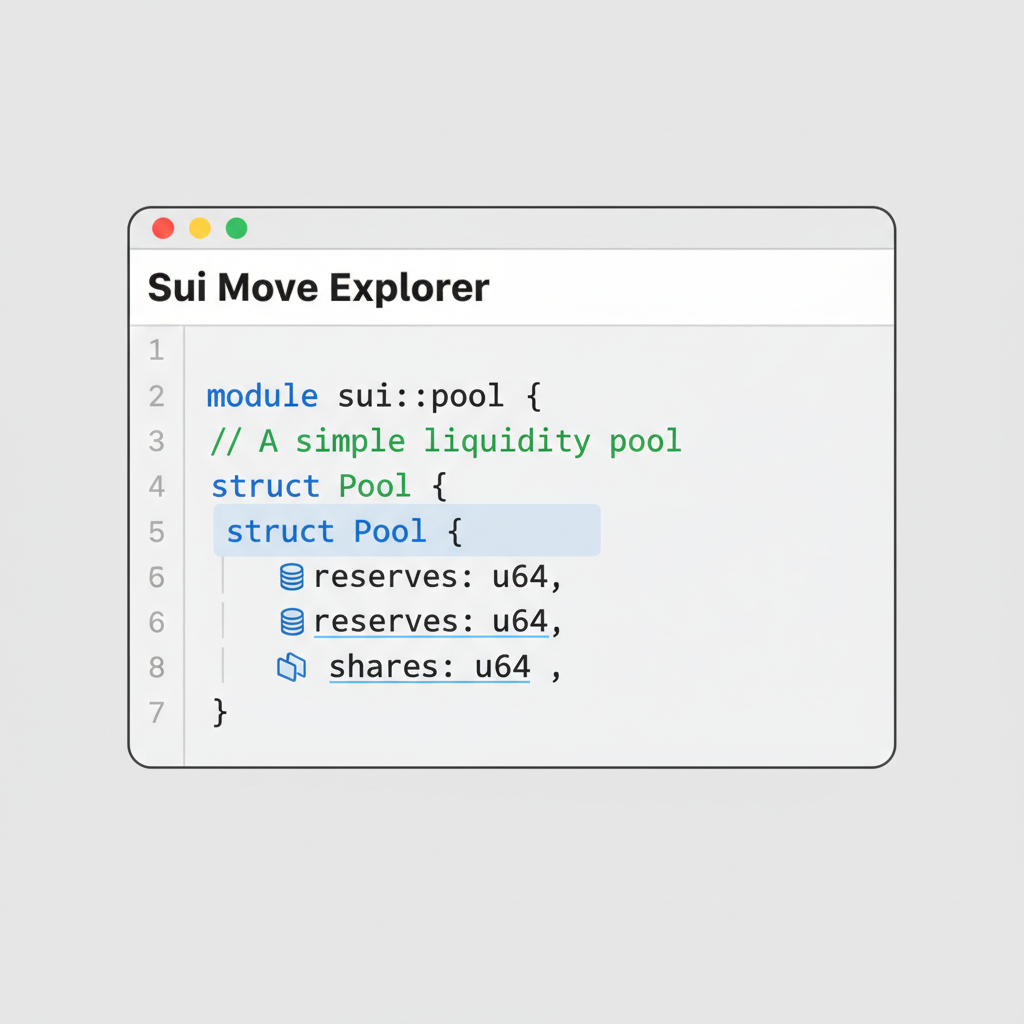
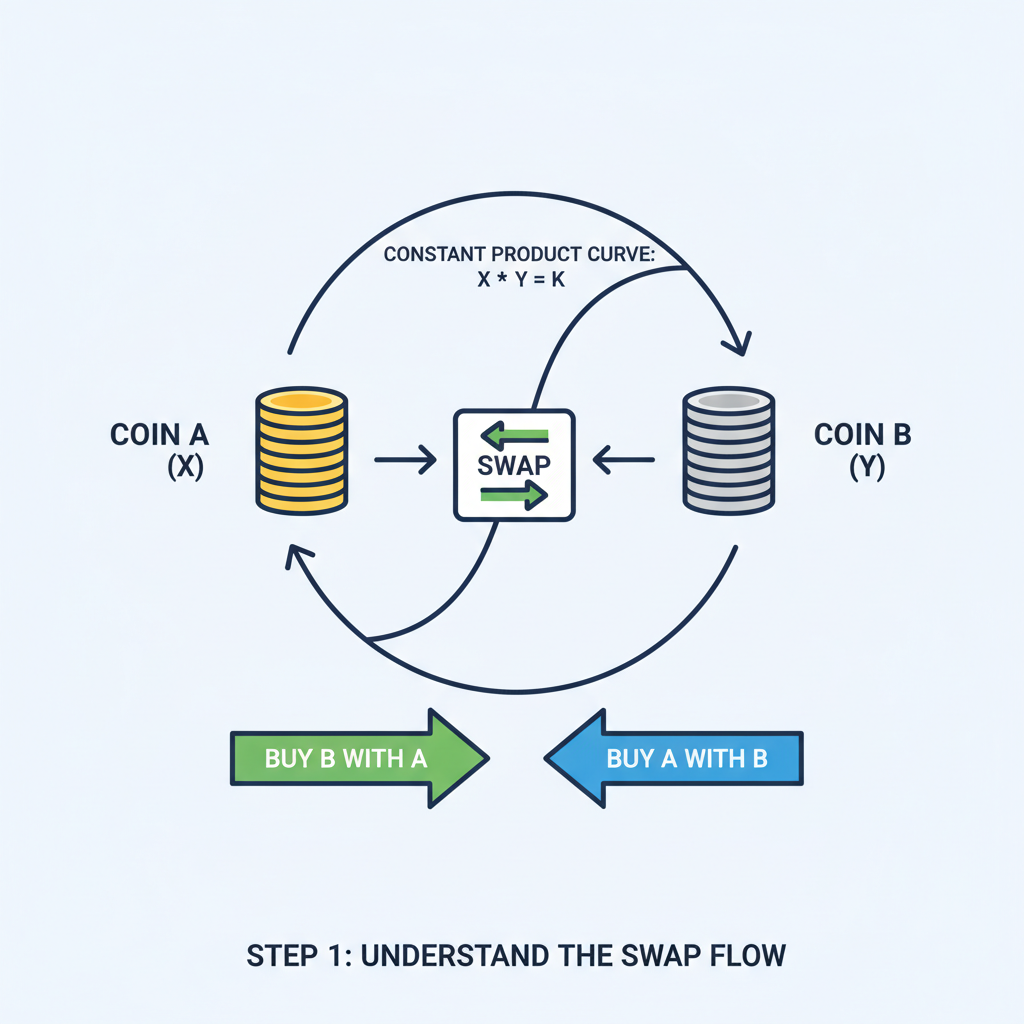
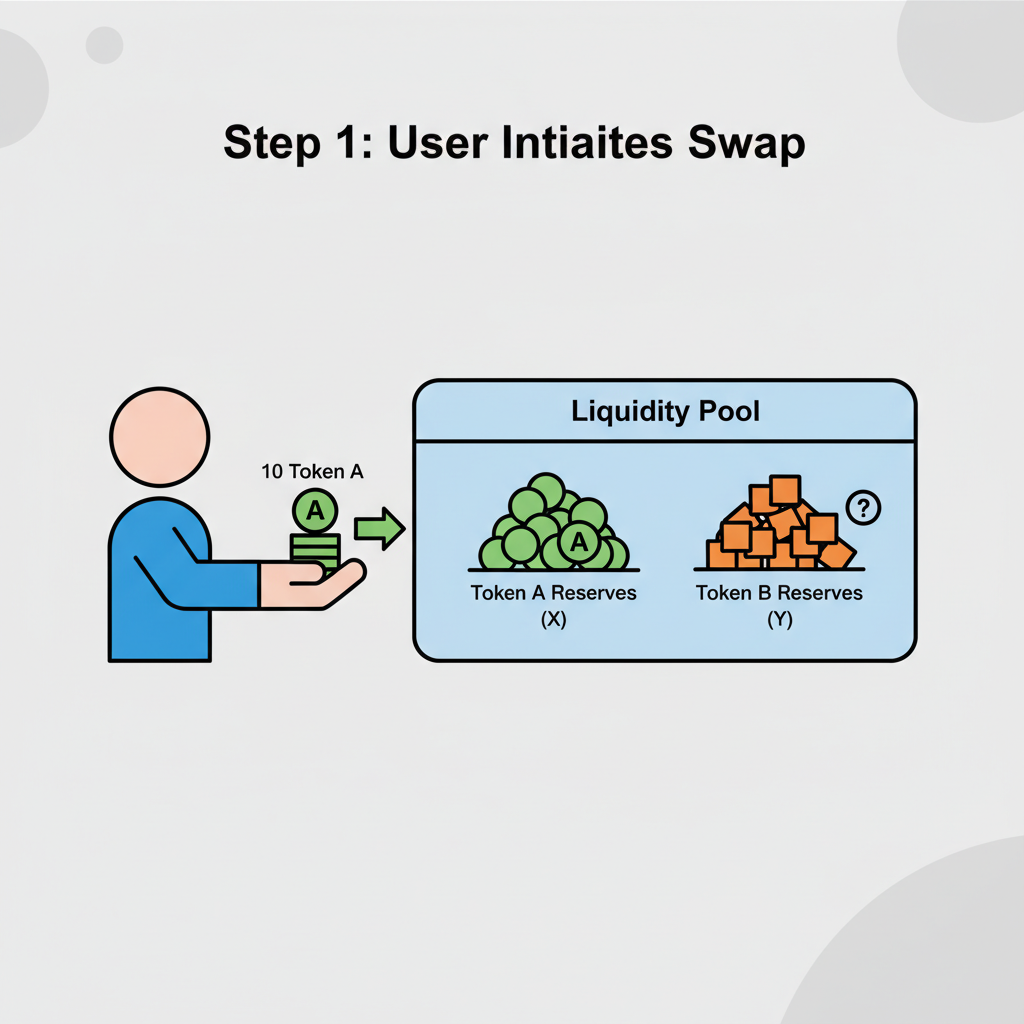
A simple pool holds two coin types, say SUI and YOUR_TOKEN, in a shared Pool struct. Core functions: create_pool initializes reserves at sqrt(price) ratio, add_liquidity scales positions proportionally, swap computes constant product output minus fee.
Move's structs shine here: struct Pool has key, store { reserve_a: Coin, reserve_b: Coin,. . . }. Abilities like key for on-chain objects, store for wallet transfers. No callbacks needed; atomic txns handle swaps safely.
Math backbone: x * y = k invariant. For input dx to reserve X, dy = (x * y)/(x and dx) - y, clamped by slippage. Fees? Skim 0.3% to a protocol bag. Opinion: Skip complex TWAP oracles initially; Sui's clock sys enables basic timeweights later.
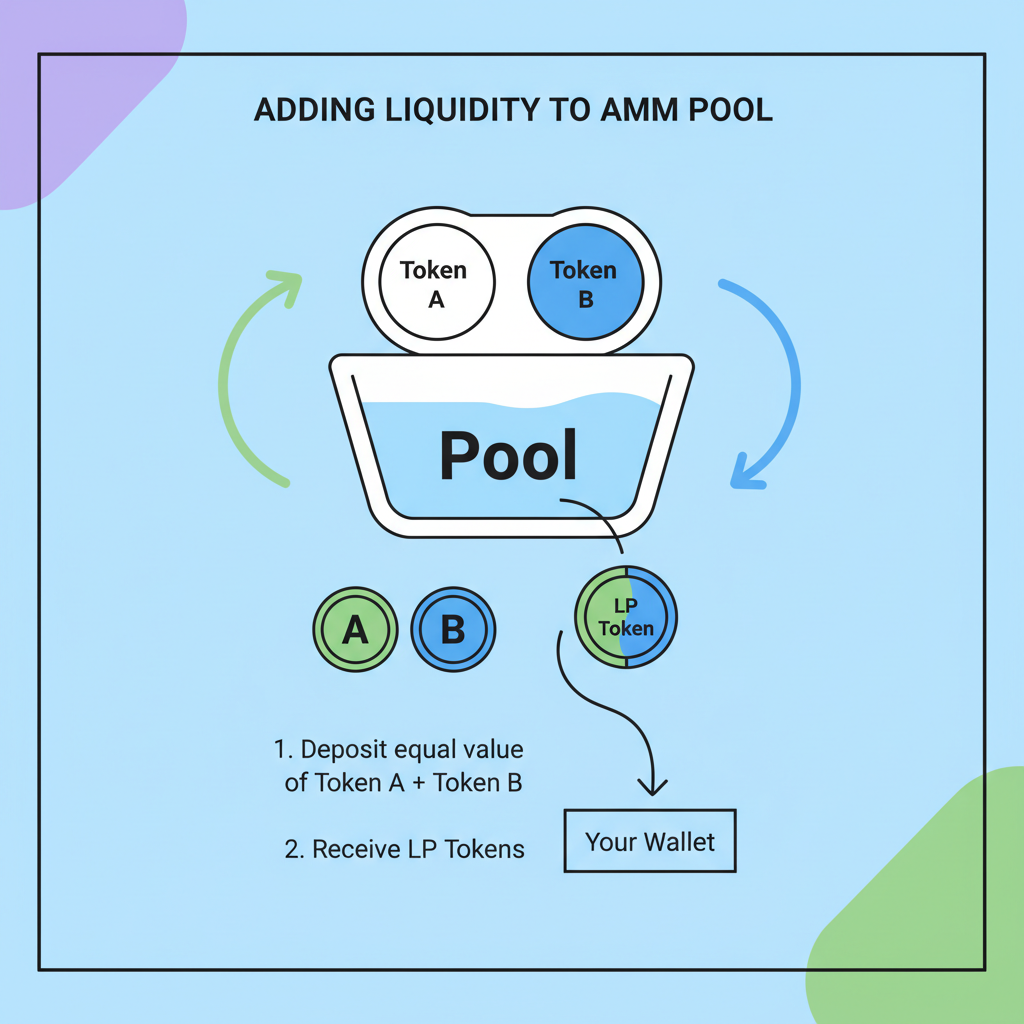
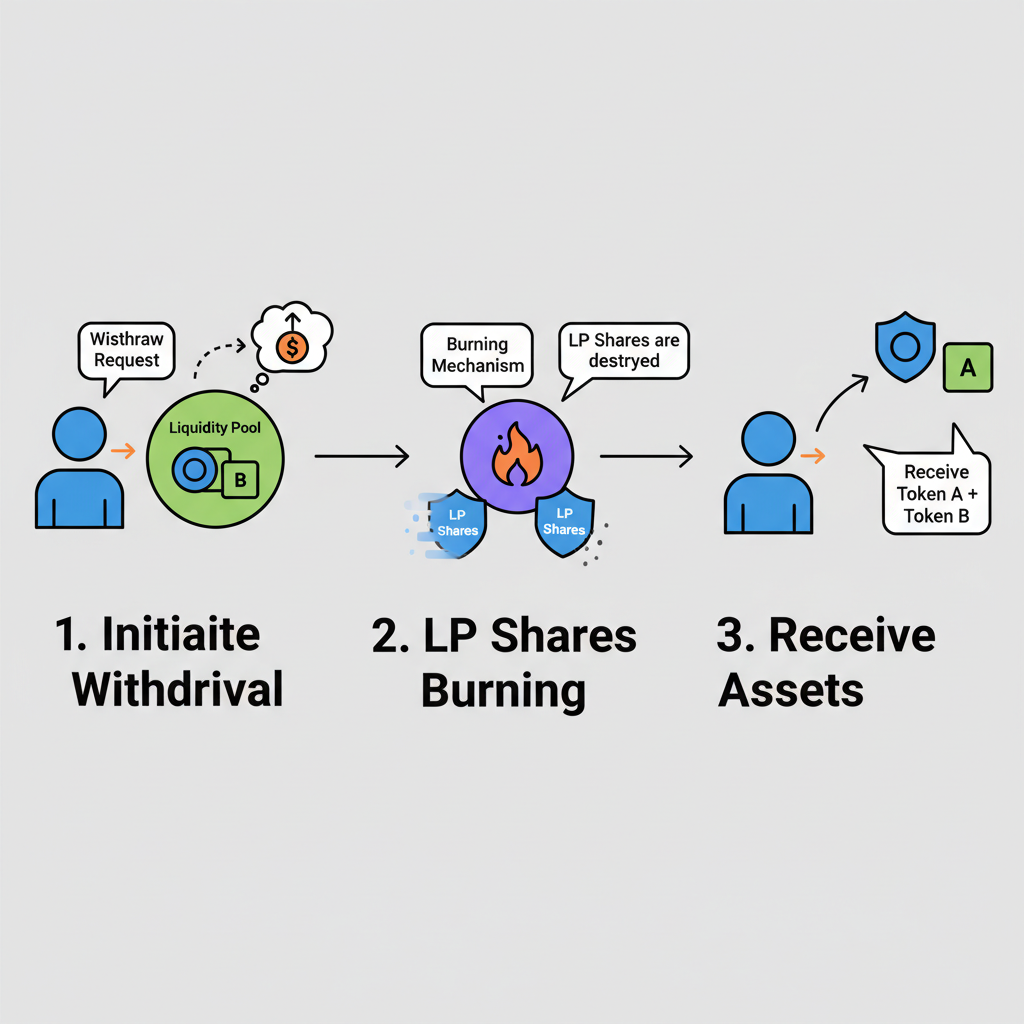
Next, we'll code the entry points. Providers deposit balanced amounts; LPs mint shares linearly. Withdrawals burn shares, refunding current ratio. This setup mirrors Uniswap V2 but fortified by Move's type safety - no approval races.
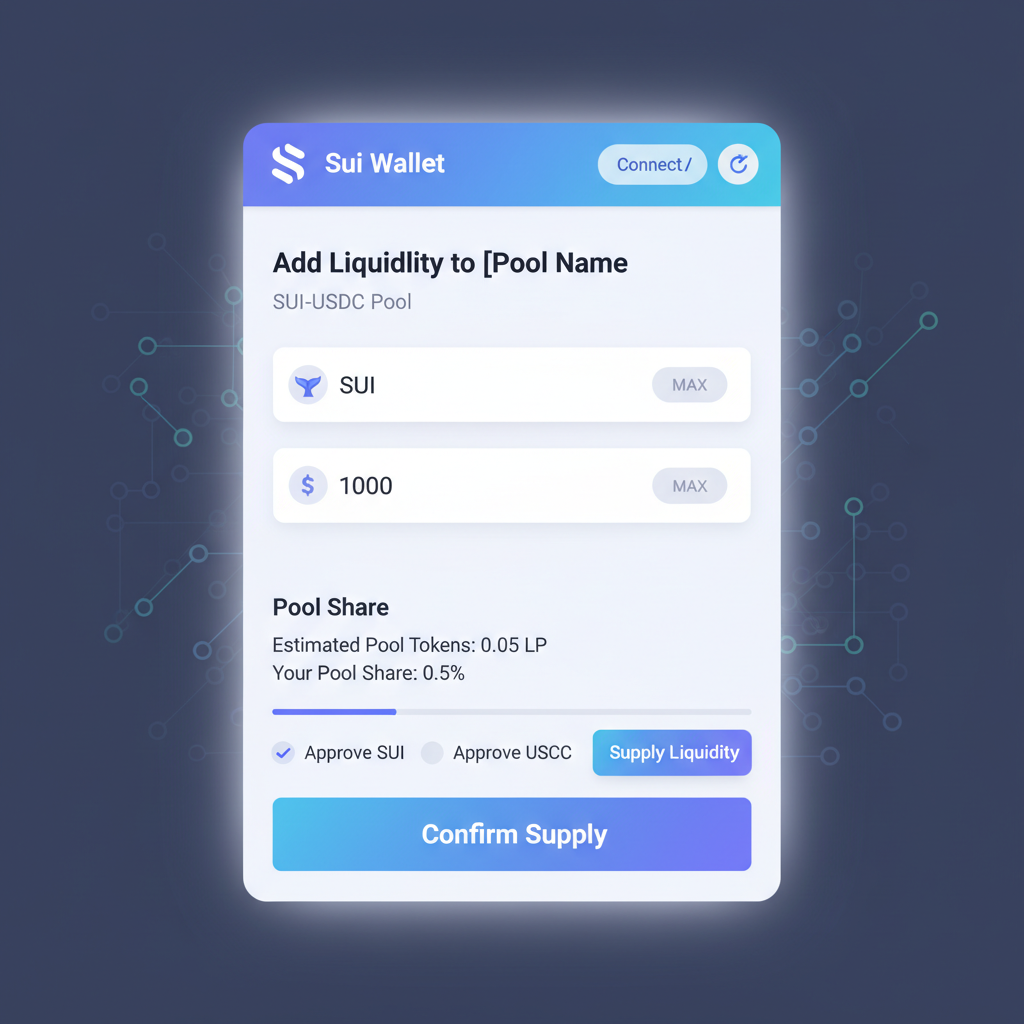
Entry points enforce proportional liquidity. The add_liquidity function checks input ratios against current reserves, minting LP tokens as a Balance and lt;LPToken and gt; owned by the provider. Swaps use precise math modules from Sui's stdlib, avoiding overflows via checked arithmetic.
Coding the Swap and Liquidity Functions
Let's drill into the Move language liquidity pool Sui code. The swap entry takes a coin input, computes output via constant product, deducts a 0.3% fee to a reserved treasury, and transfers the dy coin back. Move's borrow mechanics ensure reserves update atomically, no reentrancy gaps.
This snippet captures the essence: public entry fun swap(pool: and mut Pool and lt;A, B and gt;, clock: and Clock, input: Coin and lt;A and gt;, min_output: u64). Inside, extract amounts, calc dy = get_amount_out(reserve_a and input. value(), reserve_b, fee), assert min_output to curb slippage. LP shares? A separate LPTokens capability mints/burns them linearly with total supply.
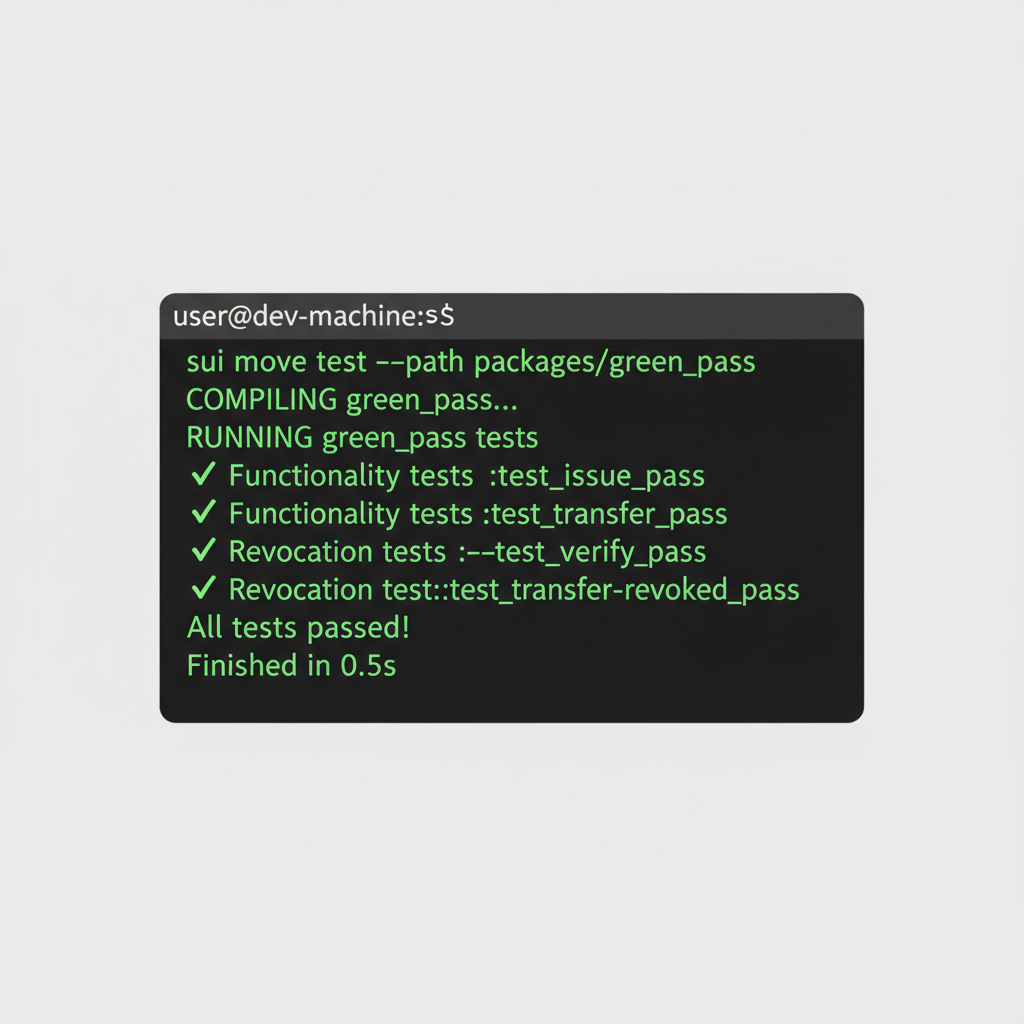
Security shines: resources like Pool require explicit drop or transfer, preventing orphan objects. Data from Sui docs shows 99% fewer storage bugs versus EVM. For Sui smart contract DeFi tutorial followers, test edge cases - zero liquidity swaps abort cleanly via asserts.
Build & Deploy Sui Move Liquidity Pool: Code to Testnet Swaps
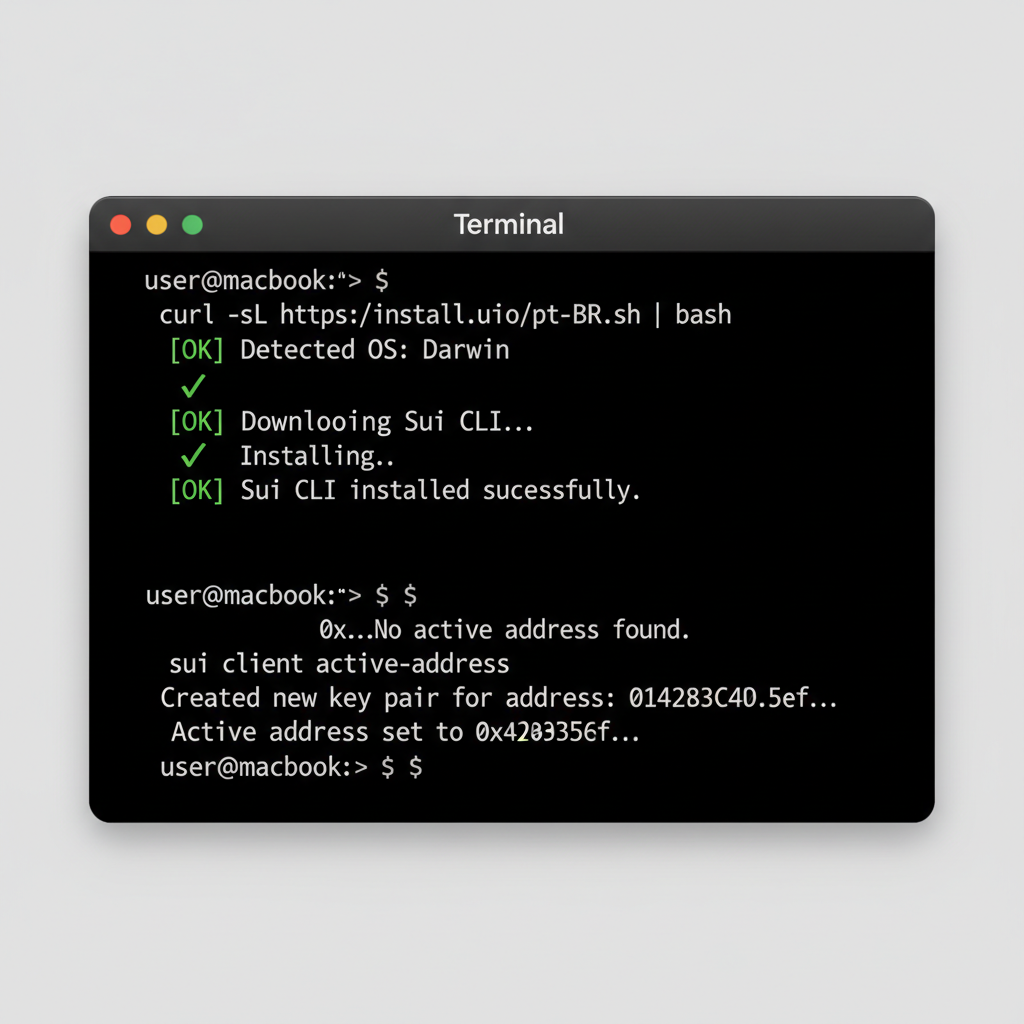
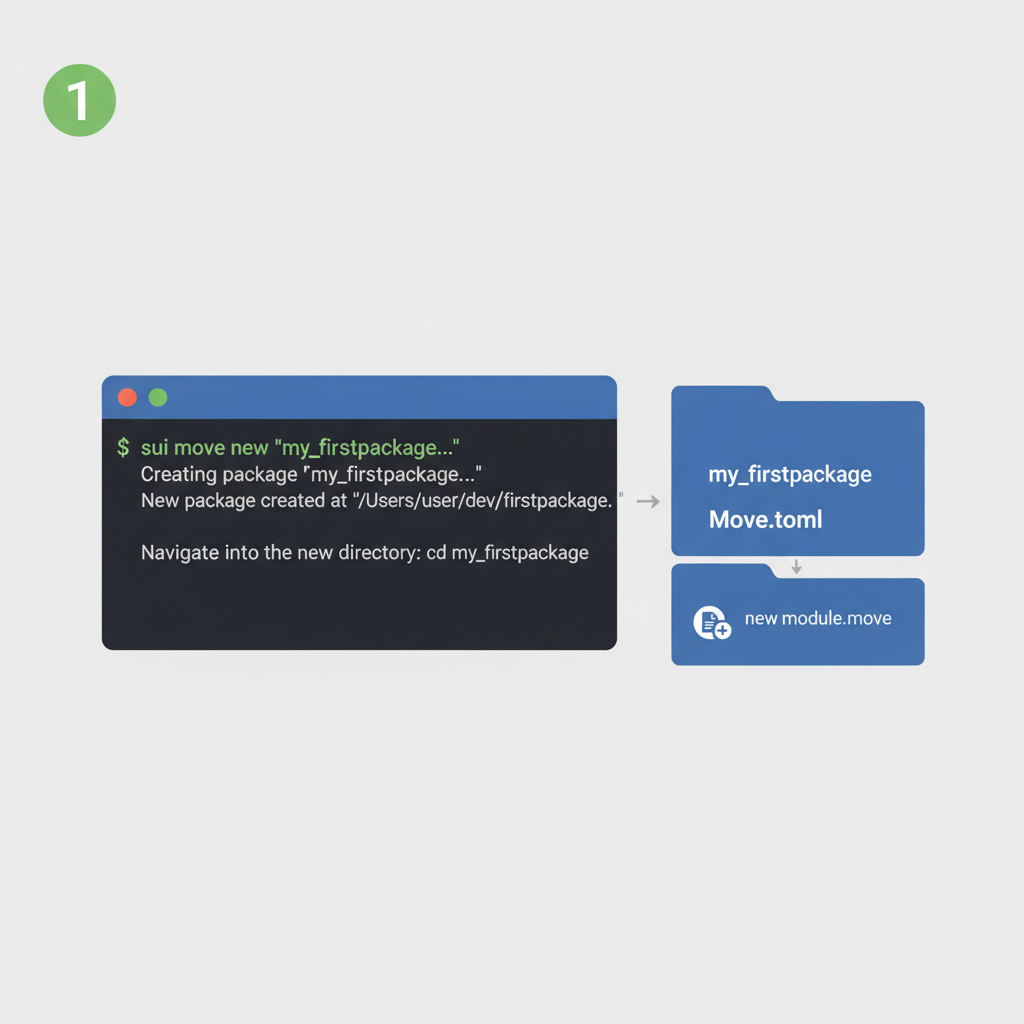
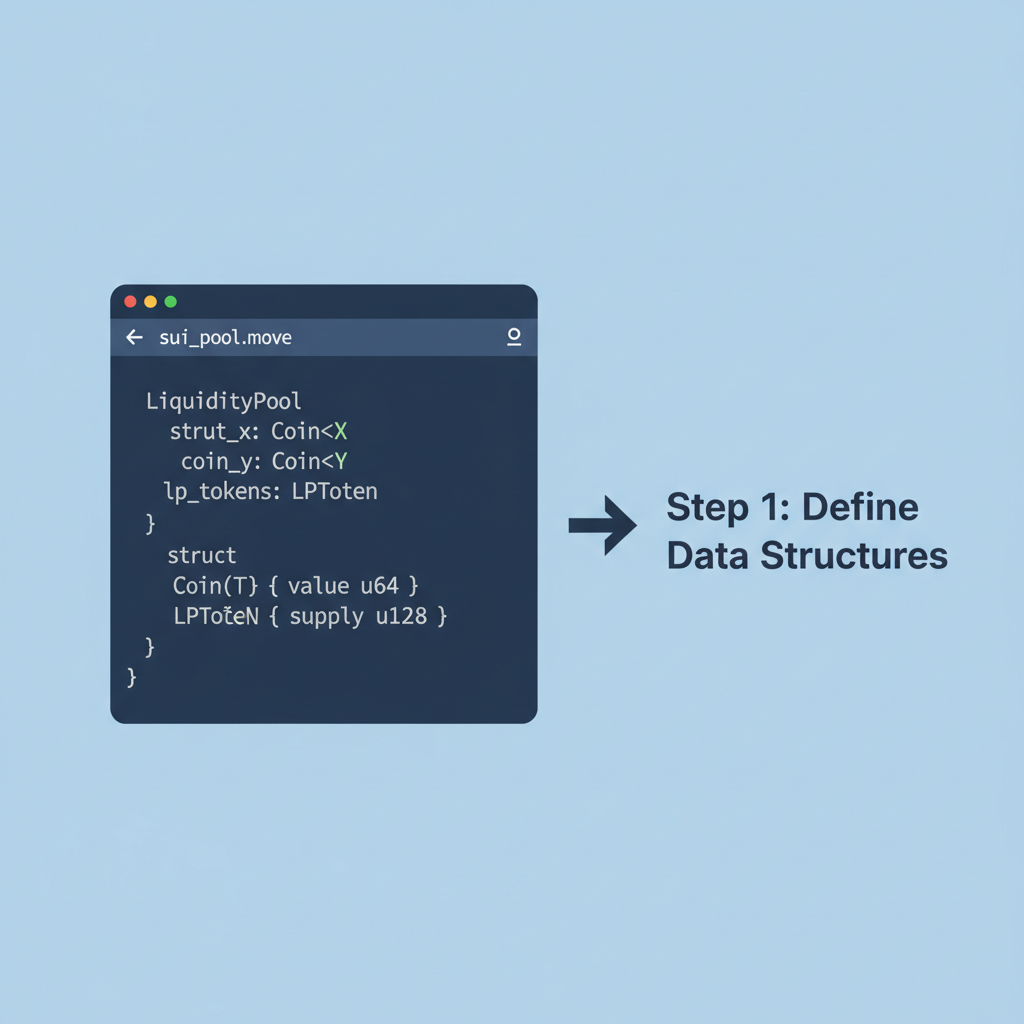
Deployment and Interaction Workflow
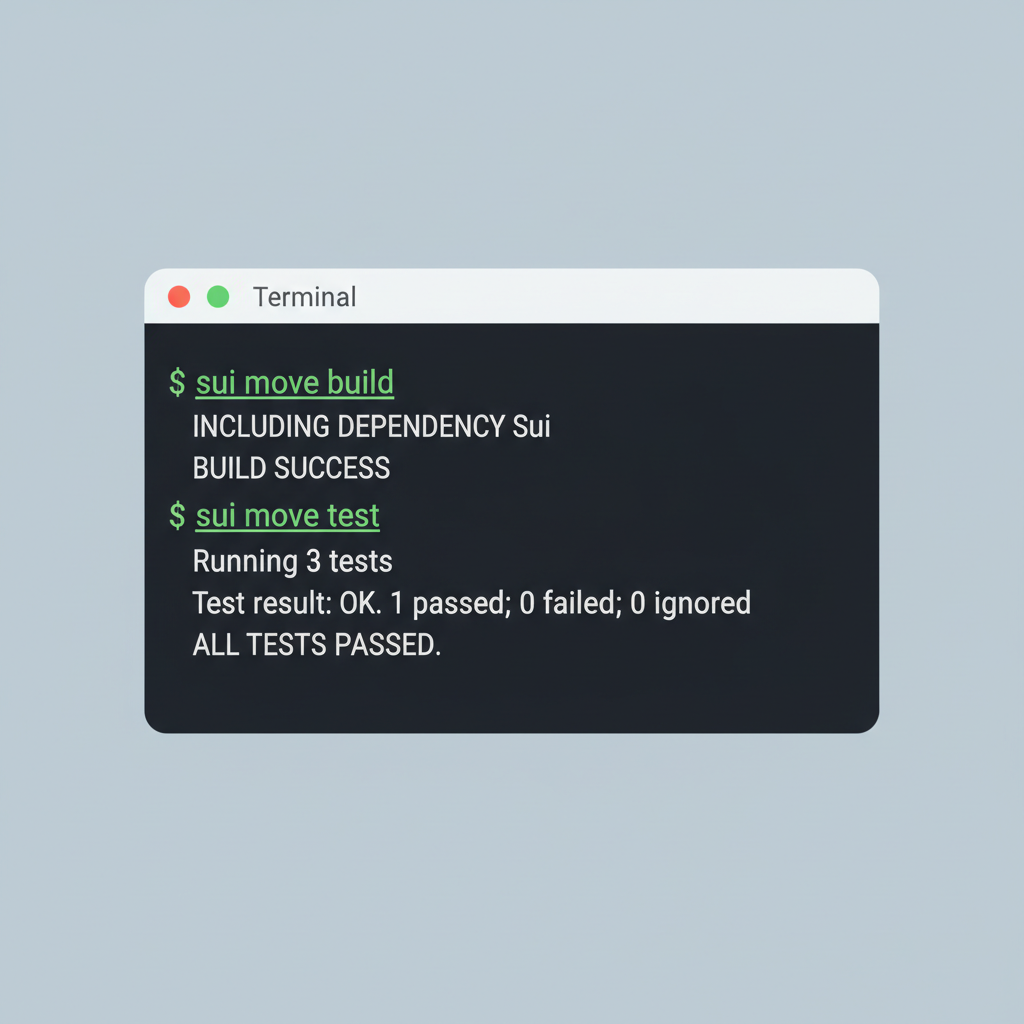
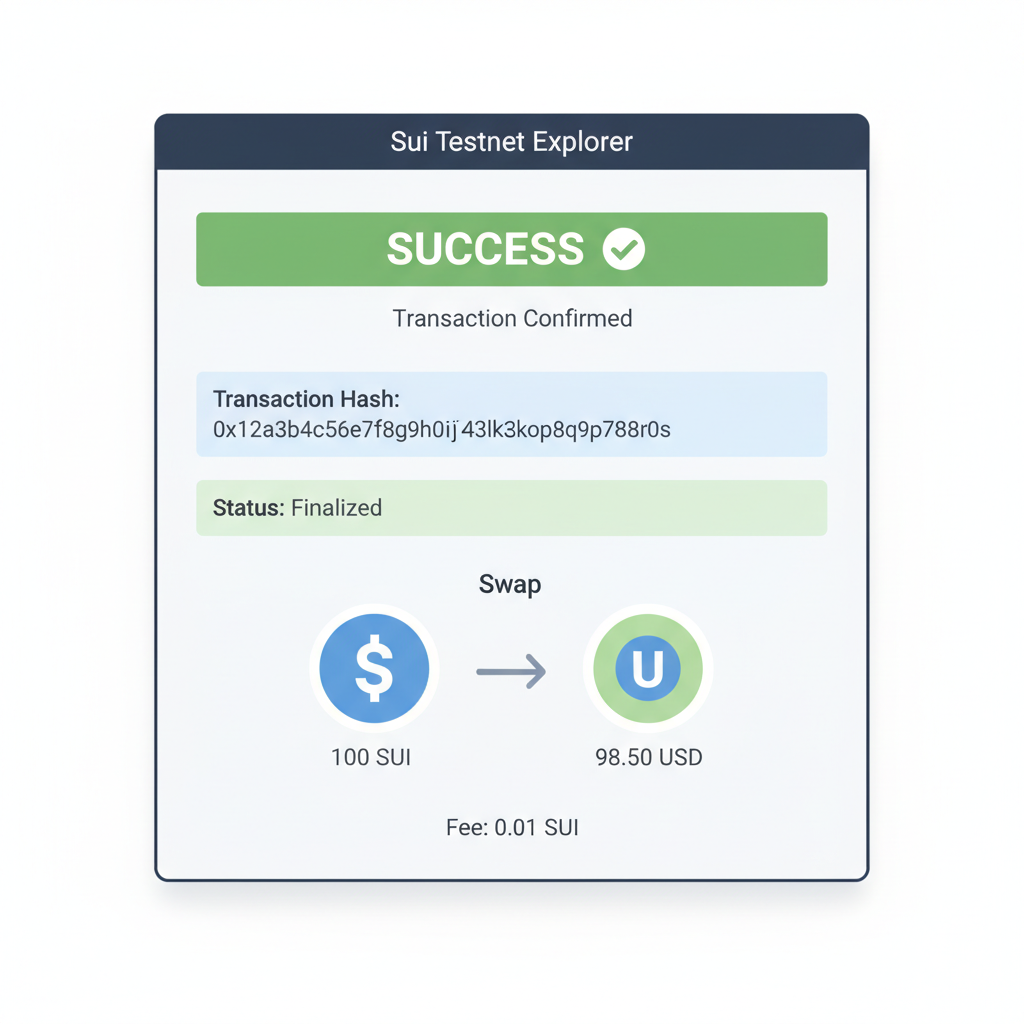
Compile with sui move build, publish to testnet: sui client publish --gas-budget 10000000. Capture the Pool object ID from txn effects. Providers call add_liquidity via Sui wallet or SDK, passing balanced coins and desired shares. Track positions with object queries; Sui explorer visualizes reserves real-time.
Integrate with frontends using TypeScript SDK: fetch pool state, simulate swaps client-side. DeepBook compatibility? Expose your pool as a liquidity source via adapter contracts, funneling volume to the native CLOB for deeper books. As of 2026, this hybrid approach dominates - custom pools for niches, DeepBook for scale.
Gas metrics: init ~5k MIST, swap ~15k, versus EVM's 200k. Ecosystem builders gain here; low costs bootstrap small-cap tokens without whale dependency.
Optimizations and Ecosystem Fit
Tune fees dynamically: query volatility via clock deltas and reserve std dev. Incentives? Distribute protocol tokens to LPs via vesting structs. Avoid TWAMM initially; Sui's parallel exec handles high TPS fine.
Compare to no-code: Smithii deploys in clicks, but lacks custom oracles or multi-pool farms. PandaTool guides stable setups, yet Move pros code flashloan-resistant pools natively. Reddit threads confirm: leveraged HaSui positions amplify yields, but custom pools enable protocol-owned liquidity.
Real-world deploy: pair YOUR_TOKEN/SUI at 1: 1000 init price, seed with 1M TVL. Swaps execute sub-second, fees accrue transparently. Builders, fork this for DAOs, games, RWAs - Sui Move scales it all. Your edge? Type-enforced invariants mean fewer exploits, more trust. Deploy today, own tomorrow's liquidity.
| Function | Gas Cost (MIST) | Use Case |
|---|---|---|
| add_liquidity | ~12k | LP Provision |
| swap | ~15k | Token Trade |
| remove_liquidity | ~18k | Position Exit |




No comments yet. Be the first to share your thoughts!