

After nailing your Sui mainnet setup, the real thrill kicks in: deploying your first Sui Move module. This isn't just a checkbox for sui developer first module 2026 aspirants; it's your gateway to building production-ready smart contracts on one of the fastest-growing blockchains. With Sui's object-centric model, Move code deploys with precision, minimizing risks that plague other platforms. Let's dive into the hands-on process for seamless sui move module deployment, assuming your wallet holds enough SUI for gas.
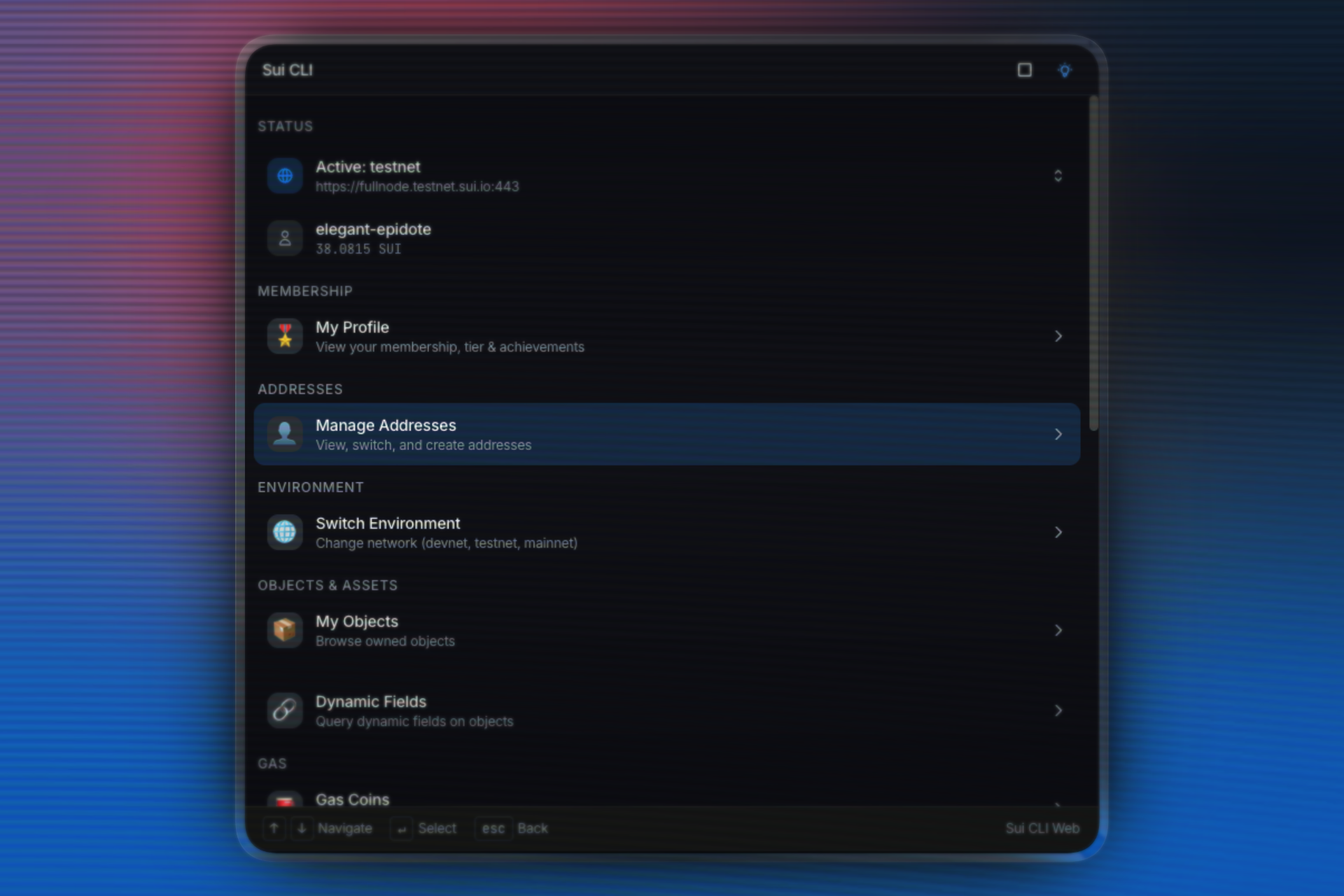
Confirm Sui CLI Readiness Before Deployment
First things first in any sui setup deploy move contract workflow: double-check your tools. A misconfigured CLI can derail your mainnet ambitions faster than a bad trade wipes gains. Run this command to verify installation:
Seamlessly Switch to Sui Mainnet
With CLI humming, pivot to mainnet mode. Testnets are playgrounds, but mainnet demands real stakes - that's where true sui move module deployment value emerges. Execute this to align your client:
sui client switch --env mainnetThis flips the switch, routing all operations to live production. Feel that shift? Your commands now carry weight, interacting with real objects and gas economics. Verify with sui client active-env; it should echo 'mainnet'. Neglect this, and you'll publish to testnet shadows, wasting time on illusions.
Strategically, mainnet connection tests your wallet's SUI balance too. Gas budgets aren't optional here; they're your ticket to on-chain execution. Aim for at least 0.1 SUI to start comfortably.

Scaffold a Fresh Move Project Structure
Now, generate the skeleton for your debut module. Sui's CLI shines here, automating boilerplate so you focus on logic. From your workspace, fire off:
sui move new my_first_moduleThis births a directory packed with Move. toml for dependencies and a Sources folder primed for code. Cd in, inspect: it's lean, opinionated, ready for customization. Why start from scratch? Sui's templates embed best practices, dodging common pitfalls like misconfigured addresses or missing invariants.
Opinion: Skip GUI tools early; CLI mastery builds intuition for Sui's CLI-centric ecosystem. Your project now pulses with potential - a blank canvas for Move's resource safety nets.
Author Your Debut Move Module Code
Dive into Sources, spawn my_module. move. Infuse it with a simple, verifiable function to test the waters:
module my_first_module: : my_module { public fun say_hello(): u8 { 42 } }This entrypoint returns a constant, proving compilation and execution sans errors. Move's linearity shines: no mutable globals, pure functions first. Expand later to structs or capabilities, but nail basics to build confidence.
Save, then build to validate. sui move build scans for syntax slips or type mismatches, outputting bytecode if green. Errors? They're pedagogical gold - read them closely, as they preview mainnet rejections. A clean build signals you're publish-ready, bridging dev to deployment in sui setup deploy move contract flows.
At this juncture, you've architected half the journey: tools primed, project live, code battle-tested. Next, we'll gas up and launch to mainnet, but pause here to internalize - each command layers security and efficiency into your Sui dev muscle memory.
Rising from build success, publication vaults your module into Sui's object permanence. Gas becomes your reality check: mainnet computation costs real SUI, often 0.01-0.05 per tx depending on complexity. Budget generously to sidestep dry runs.
Launch Your Module to Sui Mainnet
Positioned in your project root, unleash the publish command. This bundles bytecode, upgrades paths, and etches your code eternally on-chain:
Strategically, publish spawns upgrade-capable objects. Hold that admin cap tight; it governs evolutions. Lose it, and your module fossilizes - a lesson in Sui's ownership model over EVM's self-destruct pitfalls.
Invoke and Verify On-Chain Execution
Package live, interaction proves vitality. Call your function, slotting the Package ID:
sui client call --package 0xYOUR_PACKAGE_ID --module my_module --function say_hello --gas-budget 100000000Execution yields 42, etched in a transaction digest. Query via explorer mentally: effects confirm u8 return, gas spent logged. This loop - publish, call, observe - forges sui developer first module 2026 instincts. Scale by adding entry functions with arguments, testing Move's type safety under fire.
Opinion: Mainnet calls beat simulators; real latency, finality under 400ms, expose edge cases CLI previews miss. Your hello echoes across Sui, a beacon for DeFi, NFTs, or custom logic ahead.
Troubleshoot Common Deployment Hiccups
Deployments snag; anticipate. Gas too low? Upping to 200000000 often cures. Module name clashes? Uniqify via addresses. Build warns on unused imports - prune for lean bytecode, slashing costs. Client env stuck? sui client new-env mainnet resets cleanly.
Deeper: Move analyzer flags invariants pre-publish. Integrate sui move test habitually; it simulates calls sans chain. For mainnet parity, dry-run publishes with --dry-run flag, previewing effects gas-free.
Pro move: Multi-sig your wallet for high-value deploys. Sui's sponsored txs let dApps foot bills, but solo starts demand fiscal discipline.
Level Up Post-Deployment
Your first module breathes. Chain it: mint coins, flip objects, or scaffold marketplaces per docs patterns. Bootcamps drill deeper - coin issuers, shared objects, dynamic fields unlock Sui's parallelism.
Monitor via sui client object PACKAGE_ID; mutations track usage. Upgrade via cap for iterations, preserving state. This ecosystem rewards iteration: start simple, compound complexity.
Mastered sui setup deploy move contract? Pivot to SDKs for JS/TS frontends, or Rust for indexers. Sui's velocity suits momentum devs - ride object waves, not fight legacy tides. Your module marks launch; now surf production seas with sharpened edge.



No comments yet. Be the first to share your thoughts!