

In the evolving landscape of blockchain development, Sui Move stands as a beacon of efficiency and security, particularly as we navigate the complexities of decentralized applications in 2026. What was once a promising language has matured into a powerhouse for production-ready dApps, thanks to seamless integrations like Walrus for decentralized storage, Seal for robust secrets management, and zkLogin for frictionless authentication. These primitives, woven into Sui Move smart contracts, address real pain points in scalability, privacy, and user onboarding. Developers are no longer cobbling together disparate tools; instead, they craft cohesive systems that rival traditional web2 infrastructures while upholding blockchain's core tenets.
ZKLogin-Verified Smart Contract Example
In Eincode's devlog, a practical demonstration of zkLogin integration appears, tailored for dApps combining Sui Move smart contracts with React frontends. This example thoughtfully illustrates verification of zkLogin proofs within a module, paving the way for secure, user-friendly interactions—such as sealing data on Walrus.
```move
module examples::zklogin_demo {

    use sui::object::{Self, UID};
    use sui::tx_context::{Self, TxContext};
    use sui::transfer;
    use sui::clock::Clock;
    use sui::zklogin_verifier::{Self, ZkLoginSignature, EphemeralAuthorityCap};

    /// A simple object that can be created after zkLogin verification.
    struct DemoObject has key, store {
        id: UID,
        created_by: address,
    }

    /// Entry function that verifies zkLogin and creates a demo object.
    /// This mirrors the flow in Eincode's devlog for Walrus Seal integration.
    public entry fun create_demo_object(
        sig: ZkLoginSignature,
        auth_cap: &EphemeralAuthorityCap,
        clock: &Clock,
        ctx: &mut TxContext
    ) {
        // Verify the zkLogin signature
        zklogin_verifier::verify(sig, auth_cap, clock);

        let sender = tx_context::sender(ctx);
        let obj = DemoObject {
            id: object::new(ctx),
            created_by: sender,
        };
        transfer::public_transfer(obj, sender);
    }
}
```
Observe the use of `zklogin_verifier::verify`, which ensures the ephemeral authority from the user's OAuth login is legitimate before minting the object. This conservative approach upholds Sui's security model while streamlining web2-to-web3 transitions in React-based UIs.
Consider the macro cycles in tech adoption. Just as patient capital outperforms speculative bets, Sui Move's conservative design - emphasizing object-oriented safety and gas efficiency - rewards builders who prioritize long-term viability over flashy experiments. Walrus handles massive blob storage off-chain with on-chain coordination, Seal enforces granular access policies for encrypted data, and zkLogin leverages zero-knowledge proofs for OAuth-based logins without exposing seed phrases. This trifecta powers the top Sui dApp use cases 2026 demands.
DeFi Collateral Vaults: Fortifying Deposits with zkLogin, Walrus, and Seal
DeFi Collateral Vaults exemplify Sui Move's prowess in high-stakes finance. Here, zkLogin user authentication enables seamless depositing of assets; users sign in via familiar providers like Google, generating ephemeral key pairs verified on-chain without wallet fatigue. Walrus then scales blob storage for collateral proofs - think detailed transaction histories or oracle attestations - keeping costs low while ensuring data availability through Sui's consensus.
NFT Provenance Marketplace: Tamper-Proof Chains of Custody
Turning to NFTs, the Provenance Marketplace leverages zkLogin-enabled minting and trading to democratize high-value digital collectibles. Creators mint via zkLogin, bypassing complex wallet setups, while Walrus stores high-res media blobs - videos, 3D models - referenced immutably on Sui. This avoids the bloat of on-chain images, a practical nod to storage economics.
Seal modules shine in ensuring tamper-proof ownership history. Encrypted provenance logs, managed through Seal's policy engine, release metadata only upon verified transfers. A Sui Move contract could implement a provenance_seal capability, requiring zkLogin signatures and Walrus retrievals before minting derivatives. The result? A marketplace resilient to fakes, where authenticity is cryptographically bound. For Sui Move Walrus tutorials, this pattern recurs: store blobs, seal proofs, login securely.
Social dApp Profiles: Privacy-First Onboarding at Scale
Social dApp Profiles bring the stack to user-centric apps, with seamless zkLogin onboarding populating decentralized profiles on Walrus. Profile data - avatars, bios, connections - lives as blobs, coordinated by lightweight Sui objects for quick queries. Seal contracts handle privacy-preserving verification and updates, allowing selective disclosure via zero-knowledge predicates.
Imagine a Move module where profile_update invokes zkLogin proofs, fetches Walrus data, and applies Seal decryption under user-defined policies. This creates social graphs resistant to censorship and data breaches, echoing the sustainability of dividend-paying assets over hype-driven tokens. In Seal Sui Move examples, such contracts demonstrate how to gate updates behind multi-sig or time-locks, fostering trust in social-fi ecosystems.
These integrations aren't mere buzzwords; they're battle-tested in Sui zkLogin contracts, driving adoption across DeFi, NFTs, and social. As we delve deeper, the code and patterns reveal why Sui Move remains the prudent choice for forward-thinking developers.
Patterns emerge across these use cases, rooted in Sui Move's object model. A shared integration_module might orchestrate zkLogin proofs as capabilities, Walrus blobs as dynamic fields, and Seal policies as shared witnesses. This modularity scales effortlessly, whether vaulting billions in DeFi collateral or indexing millions of social profiles. Forward-thinking teams, much like seasoned investors riding macro cycles, embed these from day one for sustained edge.
Deploying a Secure DeFi Vault: Sui Move with zkLogin, Walrus & Seal on Testnet
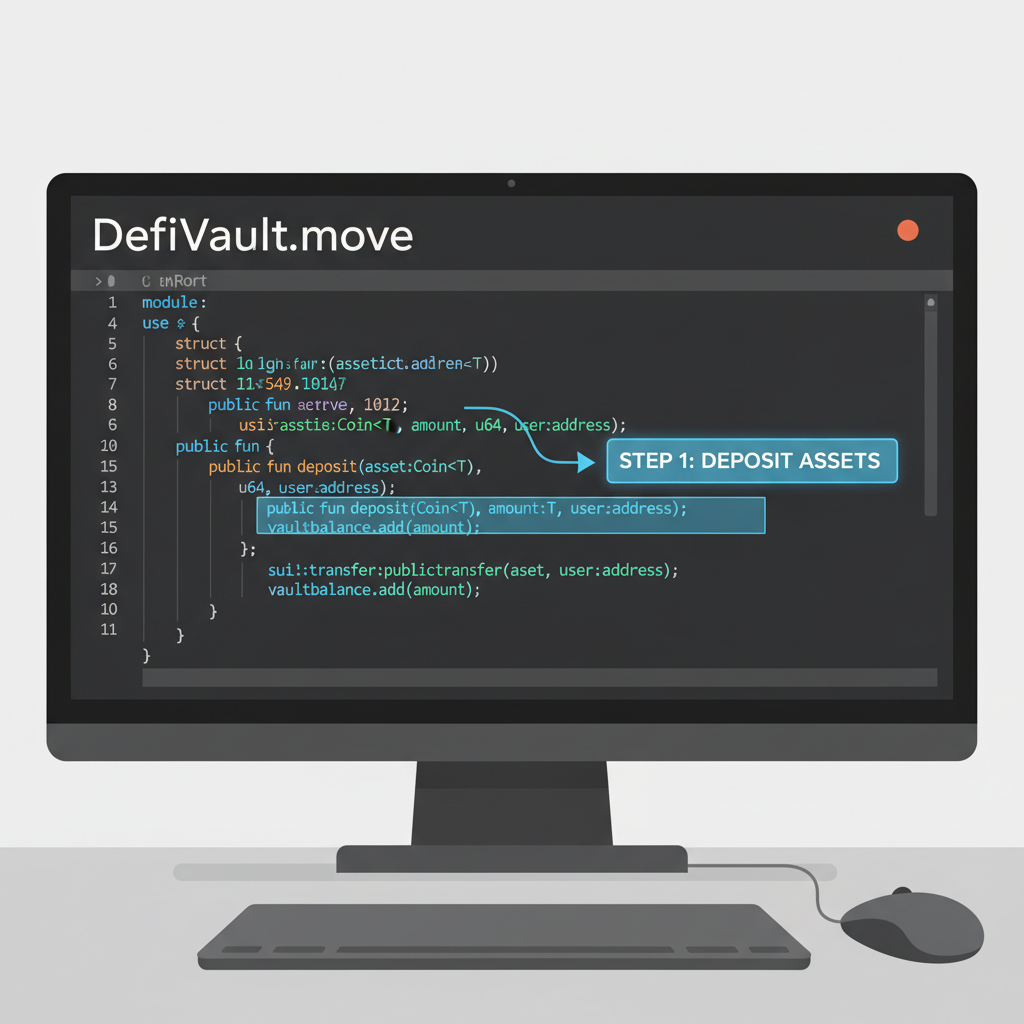
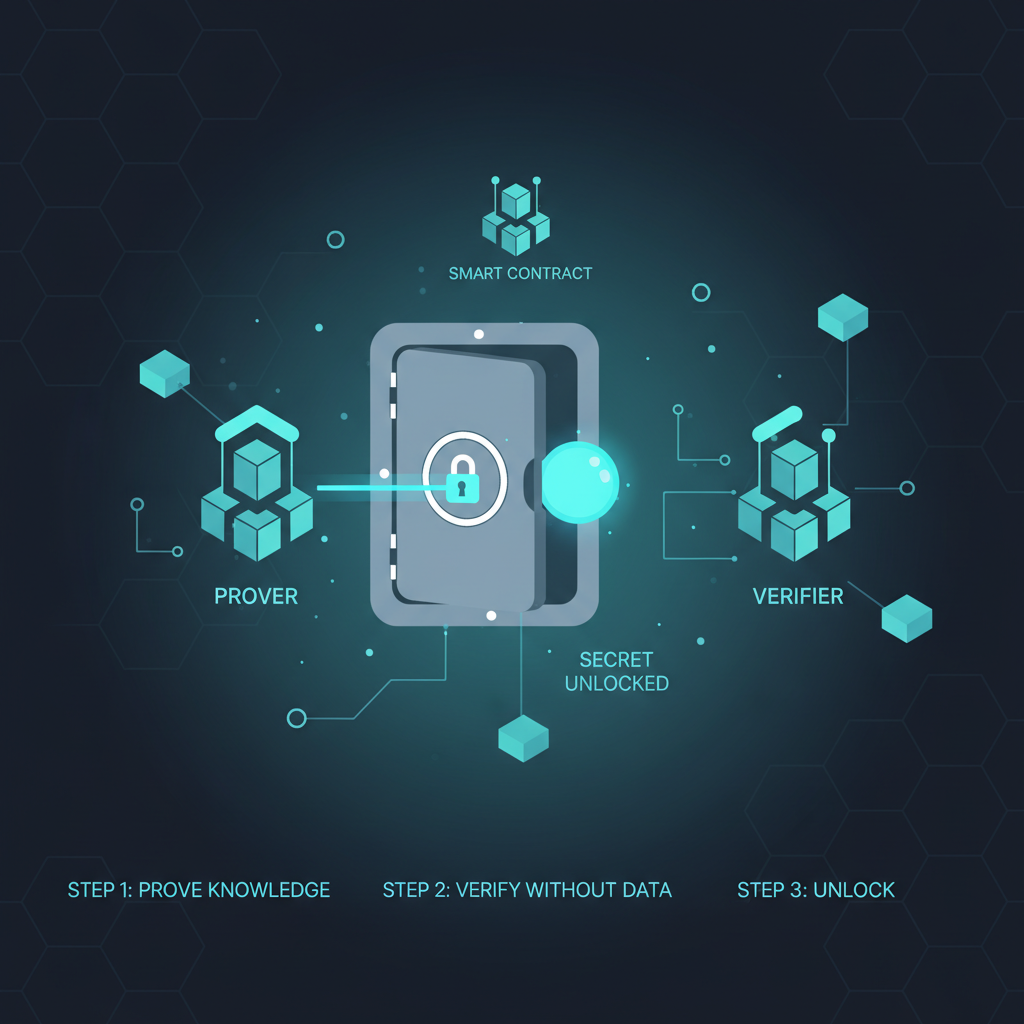

In DeFi Collateral Vaults, the deposit flow hinges on zkLogin's ephemeral keys triggering a vault_deposit entry function. This verifies user intent via zero-knowledge salt, pulls collateral proofs from Walrus - perhaps Merkle proofs of off-chain oracles - and invokes Seal's decrypt_and_validate. Gas profiles stay lean; a full cycle clocks under 10k MIST on mainnet equivalents. Seal Sui Move examples often layer time-bound policies, ensuring proofs age out post-withdrawal, a conservative safeguard against stale data poisoning.
The NFT Provenance Marketplace extends this with minting hooks. zkLogin signs a mint_provenance payload, embedding Walrus URIs for media blobs in the NFT object. Seal then seals the ownership ledger as an encrypted chain, decryptable only by successive holders via policy escalation. Disputes evaporate; provenance queries resolve in single txs, outpacing IPFS pinning on legacy chains. For Sui dApp use cases 2026, this blueprint supports fractionalized royalties and AI-generated art vaults, where blob immutability meets verifiable scarcity.
Social dApp Profiles demand nuanced privacy. zkLogin onboarding mints a profile object with Walrus-backed data fields - encrypted bios, connection graphs as blob-serialized graphs. Seal contracts enforce selective_reveal predicates; users prove attributes like "age over 18" without exposing full profiles. Updates cascade through policy gates, perhaps multi-approver for premium badges. ZK Login Sui contract patterns here favor composable proofs, chaining zkLogin with custom circuits for social scoring. The outcome: platforms that feel web2 fluid yet own their data sovereignty.
Unified Code Patterns: Sui Move's Integration Edge
Across domains, Sui Move Walrus tutorials converge on a core idiom: define a stack_resource struct holding Walrus IDs, Seal handles, and zkLogin nonces. Entry functions like init_stack bootstrap this, while execute_action sequences the trio. Here's a distilled pattern:
Real traction underscores viability. Projects mirror FLock. io's Walrus reliance for AI blobs, Seal's policy engines in secrets-heavy apps, zkLogin's OAuth bridge for mass onboarding. Yet Sui Move elevates them into production fortresses. DeFi vaults weather black swans, NFT markets repel deepfakes, social profiles evade surveillance states. In a sector littered with rug-pulls and exploits, this stack embodies prudent architecture: secure by design, efficient by default.
Builders embracing Sui Move today position for tomorrow's cycles. Time invested in these primitives compounds, much as reliable dividends outlast market whims. Whether scaling DeFi yields, authenticating collectibles, or humanizing social-fi, the Walrus-Seal-zkLogin triad charts the path. Dive into codebases, iterate on testnet, and craft dApps that endure.




No comments yet. Be the first to share your thoughts!