
As Sui's native token trades at $0.9357, down a modest 0.171% in the last 24 hours with a high of $0.9409 and low of $0.8985, the blockchain's testnet buzz intensifies around Tide Protocol. This revenue-backed capital platform lets users stake SUI to back projects, earning real protocol yields plus native staking rewards via non-custodial funds and SupporterPass NFTs. For Move developers, deploying custom testnet contracts unlocks airdrops farming opportunities, simulating DeFi interactions that could position early participants for mainnet rewards. Tide's live testnet at tide. am invites experimentation, making it prime time to master Sui Move deployments.


Tide Protocol embodies Sui's object-centric model, where owned objects like tokens or NFTs enable seamless, transferable positions. Unlike traditional lending, Tide ties rewards to actual revenue streams, a mechanic ripe for custom Move contracts that automate backing strategies or optimize yields. Developers crafting Sui contracts for DeFi airdrop farming gain an edge; testnet deployments reveal protocol nuances without real SUI risk.
Grasping Tide's Mechanics Through Sui's Move Lens
Sui Move prioritizes resource safety and flexibility, distinguishing it from Ethereum's Solidity pitfalls. Tide leverages this for deterministic capital releases and NFT-backed positions, scenarios perfect for Move blockchain lending examples. Owned objects simplify peer-to-peer transfers or mass distributions, core to DeFi flows. Recent guides highlight unit testing via Sui's test scenario module, essential for bulletproof contracts interacting with Tide's listings.
Imagine scripting a contract that programmatically backs multiple projects, vesting rewards into a yield optimizer. Tide's non-custodial ethos aligns with Move's linear types, preventing double-spends natively. With Sui's price holding steady at $0.9357, testnet activity foreshadows mainnet liquidity, rewarding proactive coders.
Master Sui Move Testnet: Elegant CLI Workspace Configuration
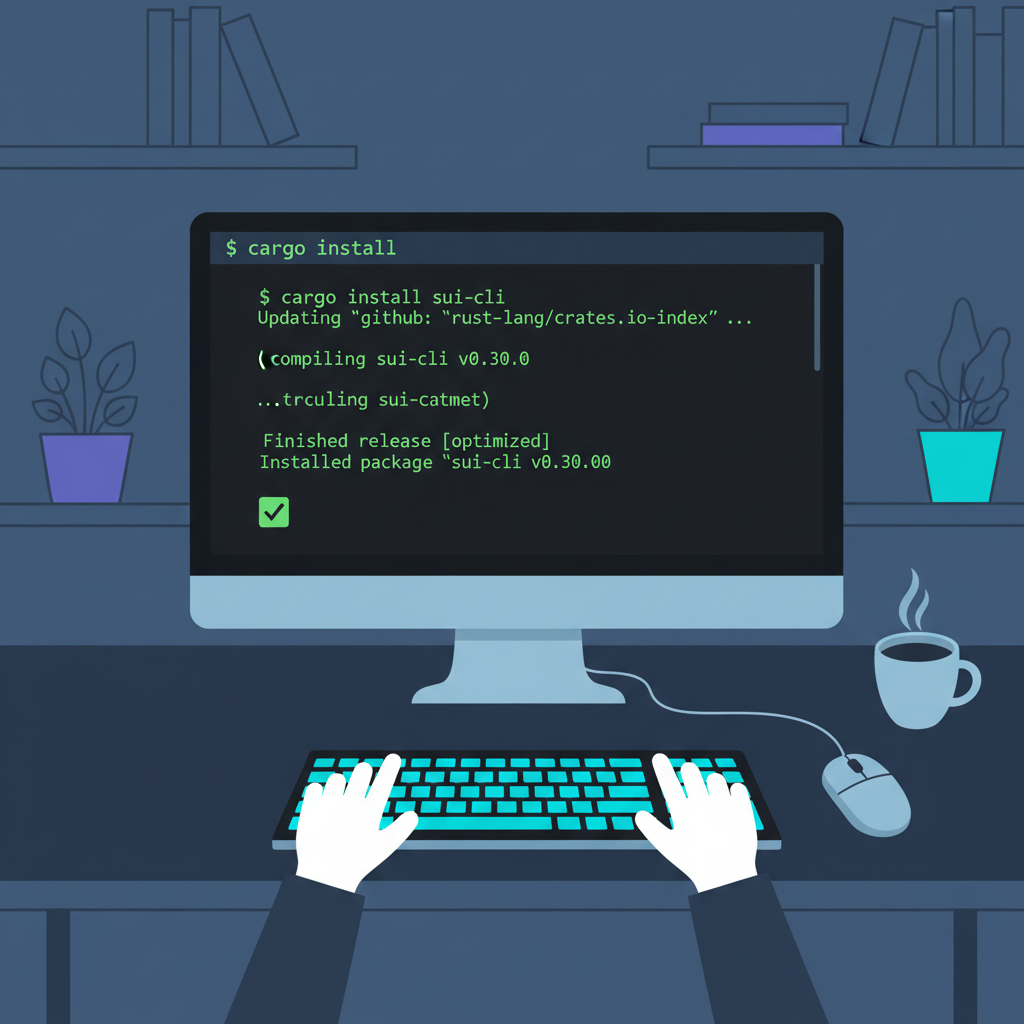
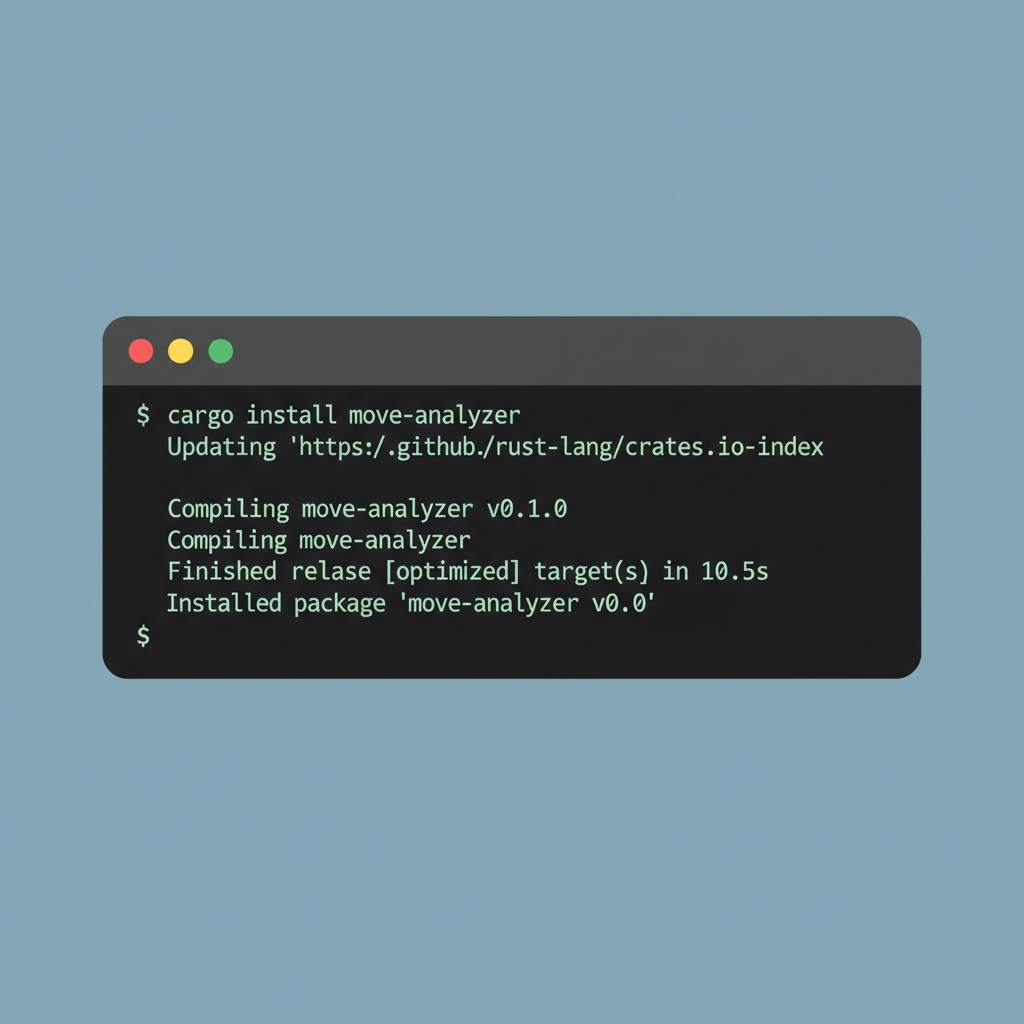
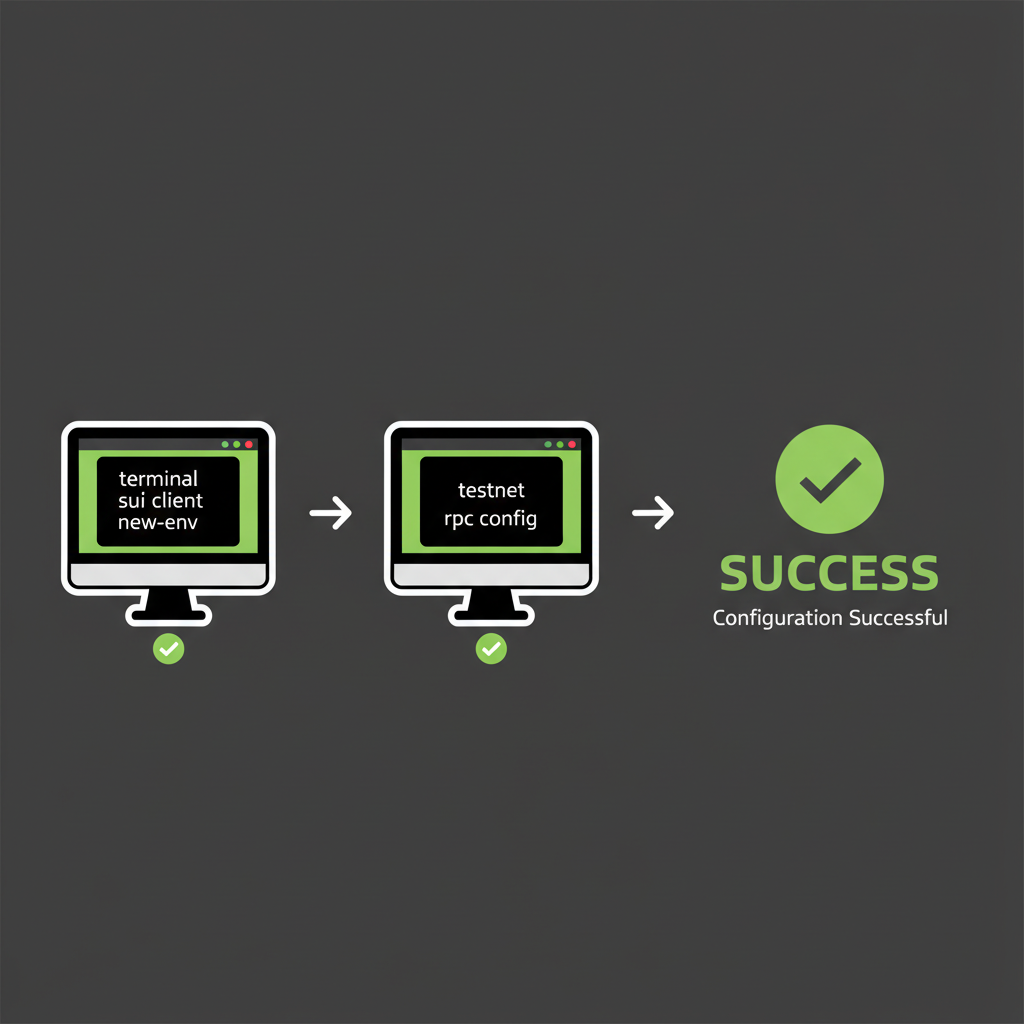
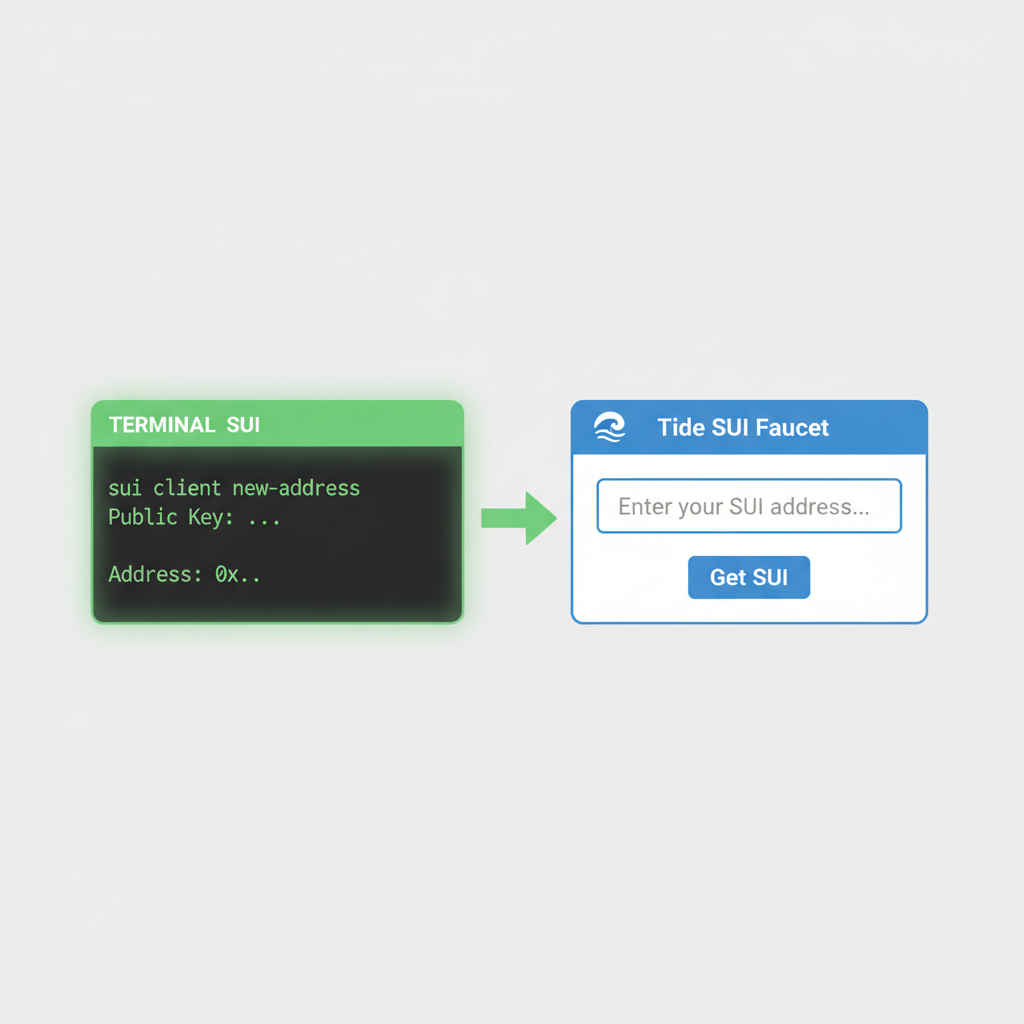
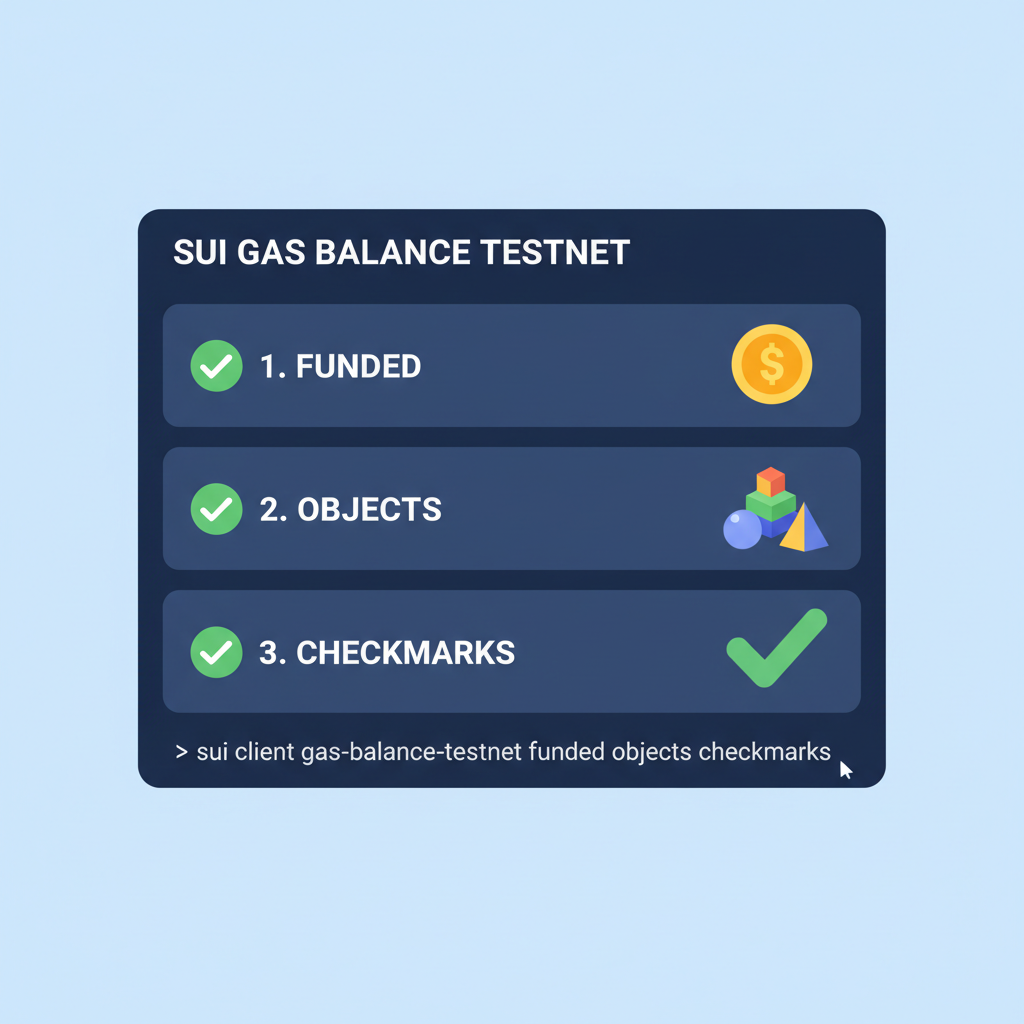
Post-setup, verify with sui client testnet, ensuring gas objects populate. This foundation supports Sui Move testnet tutorial workflows, from package creation to publish.
Launch your first package via sui move new tide_farmer. Define core structs: a SupporterVault holding backed positions, keyed by project IDs. Move's abilities like key and store govern object persistence, mirroring Tide's NFT passes.
public struct SupporterVault has key, store { id: UID, backed_amount: u64, rewards: Coin
Testing elevates reliability. Sui's #[test] harnesses spawn scenarios mimicking Tide's revenue shares. Assert post-conditions: vault balance increments post-back, burns correctly on withdraw. Resources like Jude Miracle's fungible token tests inform mint-burn logic adaptable to Tide yields.
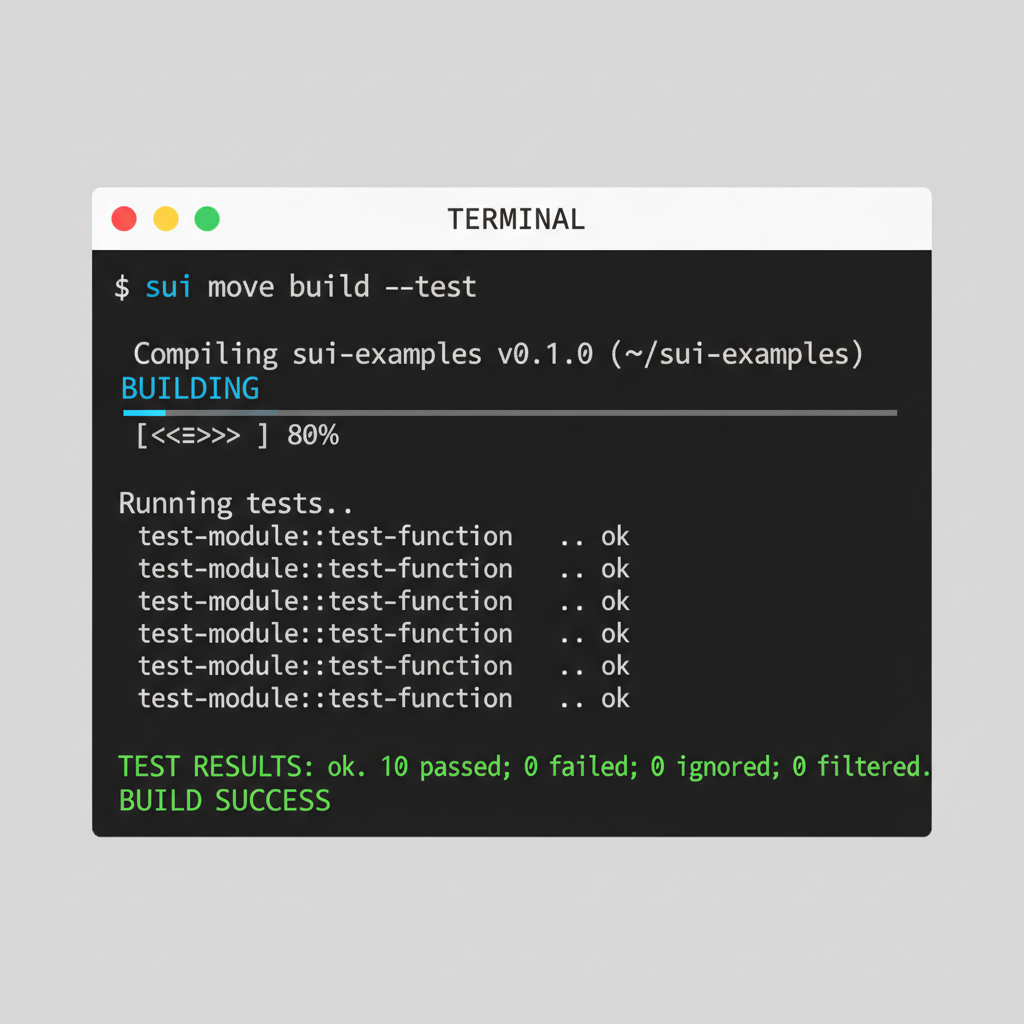
Next, compile with sui move build, resolving dependencies. Errors here? Common: mismatched abilities or phantom types. Refine iteratively; Move's static checks prevent runtime horrors plaguing other chains.
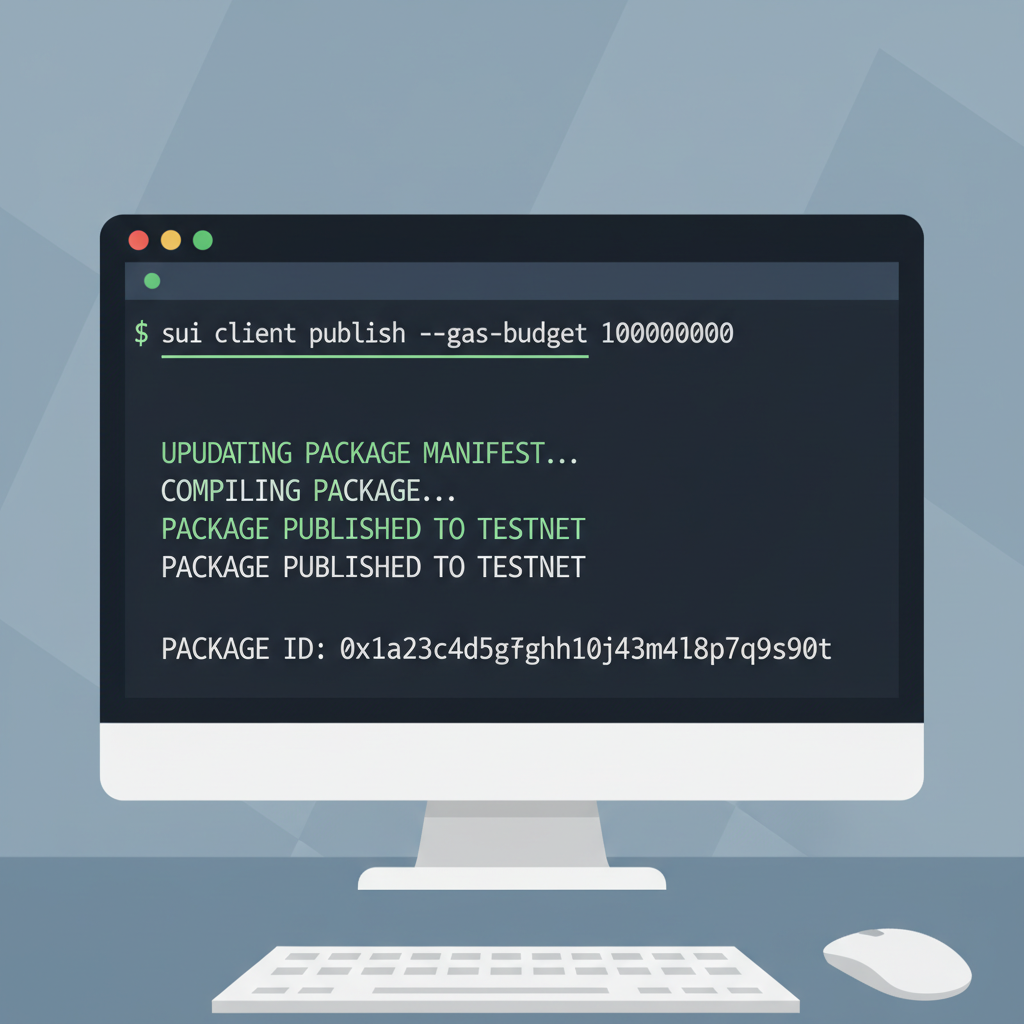
With Sui at $0.9357, testnet faucets dispense ample gas. Publish via sui client publish --gas-budget 10000000, capturing your package ID. Query Tide listings, then call entry functions to back projects, farming those elusive airdrop points.
Once published, your package ID unlocks testnet interactions, bridging custom logic to Tide's ecosystem. Entry functions like public entry fun back_project(ctx: and mut TxContext) transfer SUI to simulated listings, emitting BackedEvent for transparency. Tide's SupporterPass NFTs shine here; extend your vault to mint these via Move's object model, trading positions peer-to-peer without intermediaries. This Sui NFT trading contract pattern amplifies airdrop farming, as protocols reward diverse, innovative engagements.
Master Testnet Deployment: Sui Move to Tide Backing Mastery
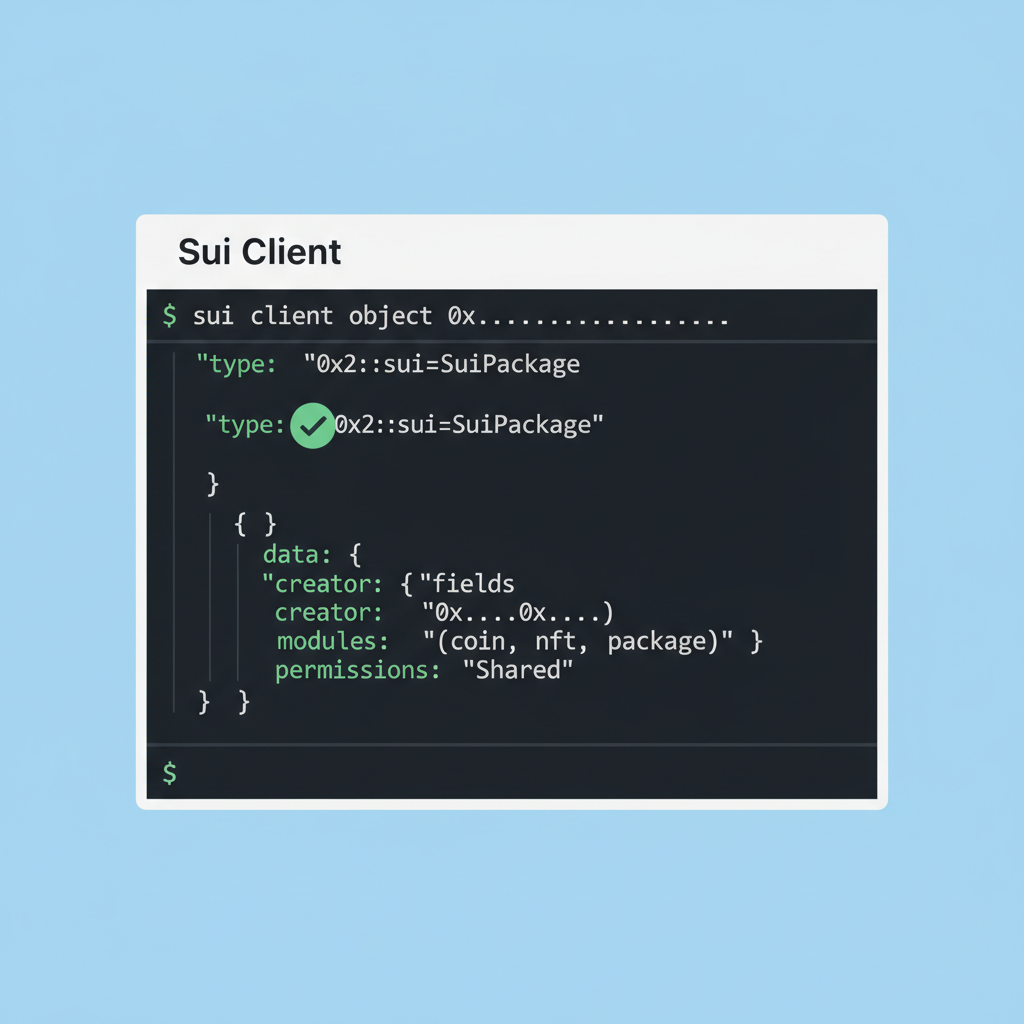
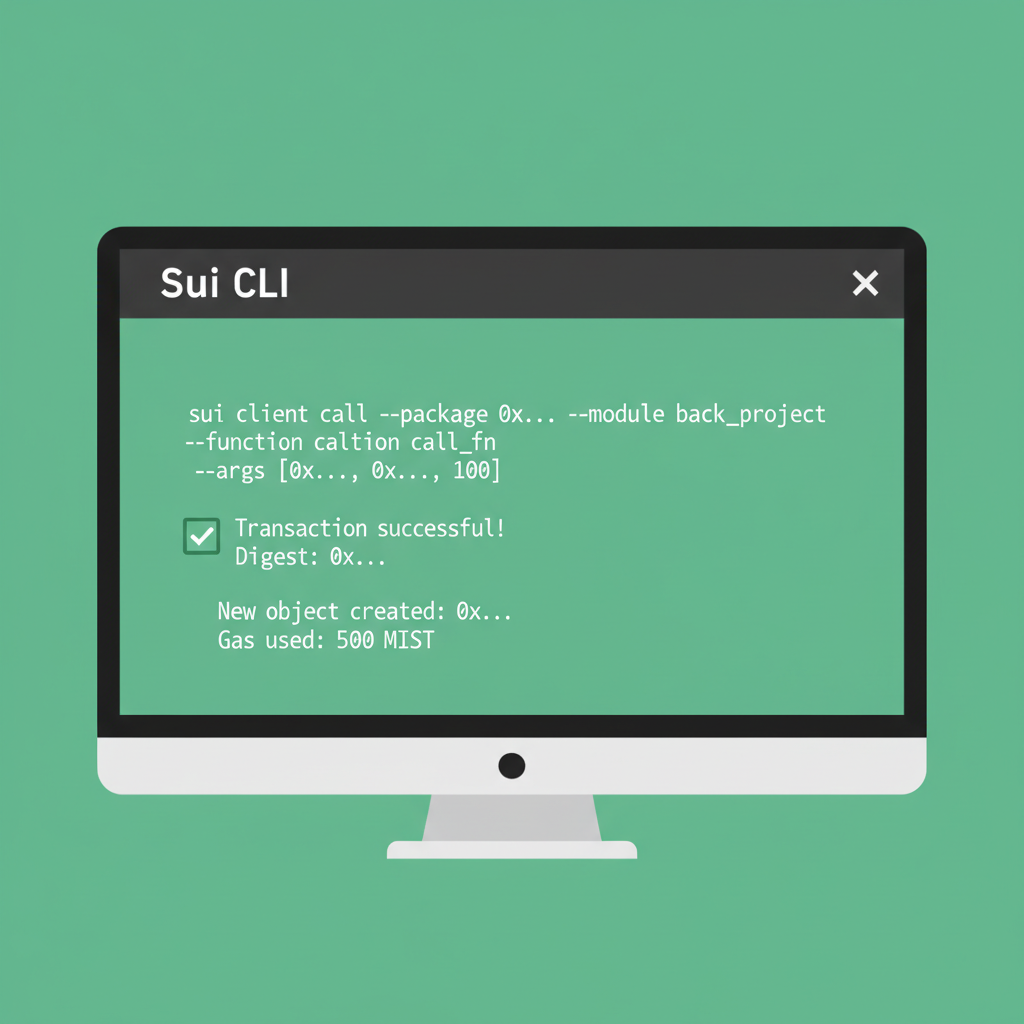
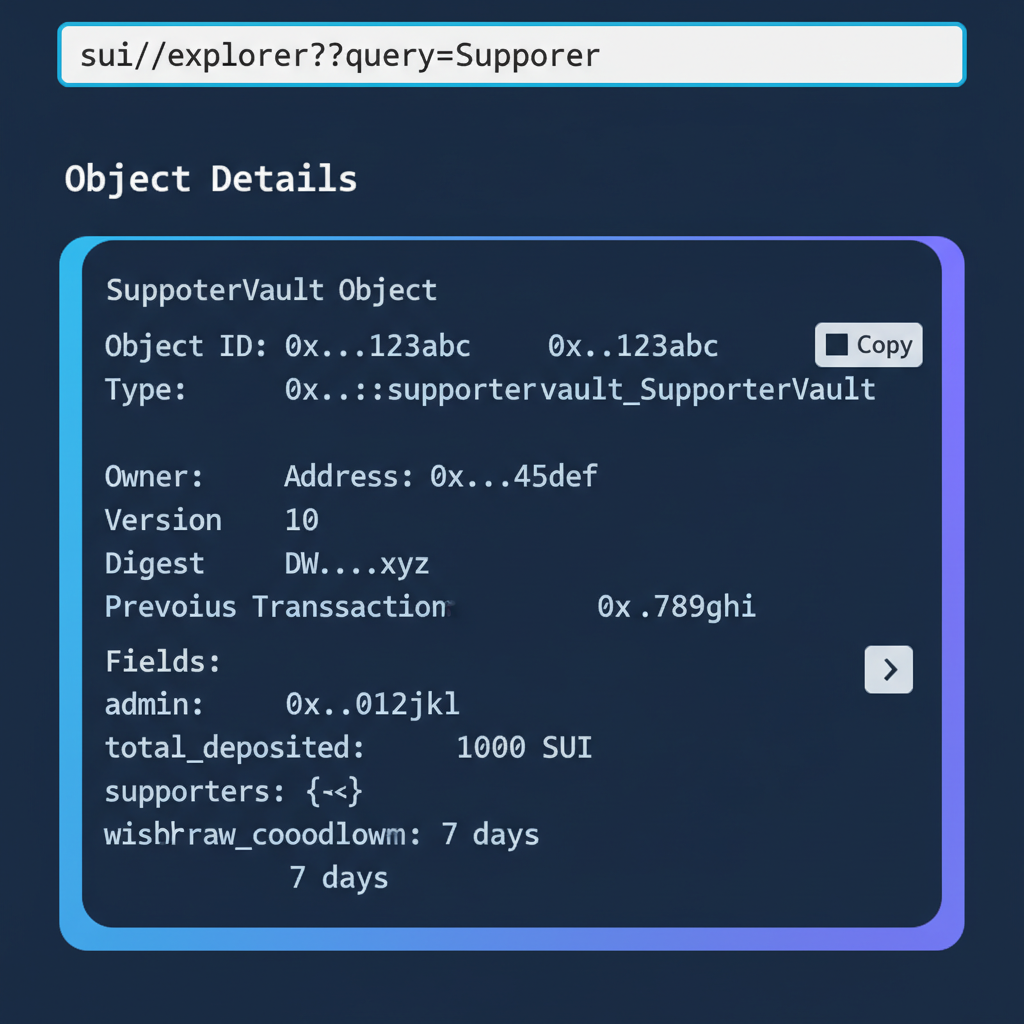
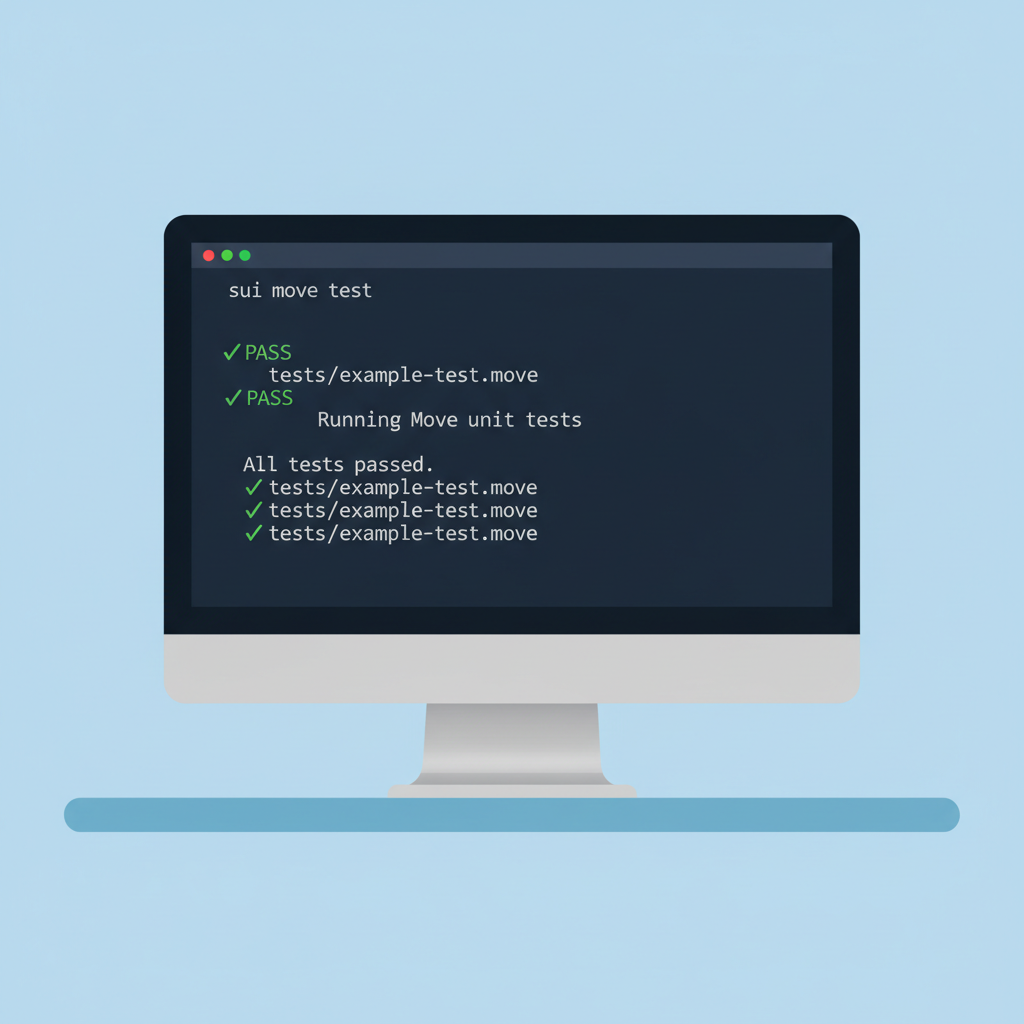
Unit tests fortify this. Leverage #
Tide DeFi Unit Tests: Mock Scenarios and Edge Cases
In line with Jay Nalam's authoritative Sui unit testing guide, craft a `[test_only]` module to rigorously validate Tide DeFi mechanics. This snippet orchestrates Tide-like test scenarios: minting test SUI, backing mock projects, confirming reward accrual via the precise revenue formula, and probing edge cases such as backing failures from insufficient gas.
```move
#[test_only]
module tide::tests {
    use std::debug;
    use sui::coin::{Self, Coin};
    use sui::sui::SUI;
    use sui::test_scenario::{Self, Scenario};
    use sui::tx_context::{Self, TxContext};
    use tide::tide::{Self, Project, Listing}; // Assume Tide module

    const EXPECTED_REWARDS: u64 = 100;
    const MIN_BACK_AMOUNT: u64 = 1000;
    const EInsufficientGas: u64 = 1;

    #[test]
    fun test_successful_back_accrues_rewards(
        scenario: &mut Scenario
    ) {
        test_scenario::next_tx(scenario, @0x1);
        let ctx = test_scenario::ctx(scenario);

        // Mint test SUI
        let test_sui = coin::mint_for_testing(2000, ctx);

        // Create mock project listing
        let listing = tide::create_mock_listing(ctx);
        let project = object::delete(listing);

        // Back the project
        let backed_project = tide::back_project(&mut project, test_sui, ctx);

        // Assert rewards accrue per revenue formula
        assert!(tide::get_rewards(&backed_project) == EXPECTED_REWARDS, 0);

        test_scenario::return_shared(project);
    }

    #[test]
    #[expected_failure(abort_code = tide::EInsufficientGas)]
    fun test_failed_back_insufficient_gas(
        scenario: &mut Scenario
    ) {
        test_scenario::next_tx(scenario, @0x1);
        let ctx = test_scenario::ctx(scenario);

        // Mint insufficient test SUI
        let insufficient_sui = coin::mint_for_testing(500, ctx);

        // Create mock project
        let project = tide::create_mock_project(ctx);

        // Attempt back - should fail
        tide::back_project(&mut project, insufficient_sui, ctx);
    }

    #[test]
    fun test_aggressive_backing_multiple_projects(
        scenario: &mut Scenario
    ) {
        let mut total_rewards = 0;
        let mut i = 0;
        while (i < 6) { // Back 6+ projects
            test_scenario::next_tx(scenario, @0x1);
            let ctx = test_scenario::ctx(scenario);

            // Mint and back
            let test_sui = coin::mint_for_testing(1500, ctx);
            let mut project = tide::create_mock_project(ctx);
            tide::back_project(&mut project, test_sui, ctx);

            total_rewards = total_rewards + tide::get_rewards(&project);
            i = i + 1;
        };
        assert!(total_rewards >= 600, 0); // Aggregate rewards
    }
}
```
Validate your implementation by executing `sui move test`. Once deployed to testnet, inspect active listings with `sui client call --package <PACKAGE_ID> --module tide_module --function get_listings --gas-budget 10000000`. For optimal airdrop farming, pursue aggressive backing across 5+ projects to amplify reward potential.
Advanced play: forge a yield router contract aggregating Tide backs into a single dashboard NFT. Use Sui's dynamic fields for extensible metadata, tracking multiple positions. Publish, call, and trade these NFTs on testnet markets, multiplying exposure. Eincode's package creation videos nail the boilerplate, but infuse Tide specifics: revenue oracles feeding reward calcs.
Sui's ownership model empowers this fluidity; shared objects for listings, owned for vaults. Pitfalls? Gas estimation - profile with dry-run flags. Overcome via iterative deploys, each refining gas patterns. As testnet matures, Tide's revenue-backed model draws parallels to real-world VC, but tokenized and automated.
Farmers thrive by diversity: mix backing depths, contract complexities. Document interactions via events, queryable on Sui Explorer. With SUI steady at $0.9357, low-volatility testnet fuels experimentation sans FOMO. Tide Protocol's live setup rewards the prepared; deploy now, script tomorrow's mainnet alpha.
Master these flows, and Sui contracts DeFi airdrop farming becomes routine. Tide's non-custodial edge, powered by Move's safeguards, sets the stage for revenue-driven DeFi renaissance on Sui.


No comments yet. Be the first to share your thoughts!