

As blockchain ecosystems evolve rapidly into 2026, Sui stands out for its object-centric model that fundamentally enhances NFT security and usability. Developers crafting sui move nft contracts benefit from Move's resource-oriented design, which prevents common pitfalls like double-spending or unauthorized minting. This sui move nft tutorial delivers a hands-on sui nft code example 2026, walking beginners through a complete, secure implementation ready for the Sui testnet.
Sui's advancements, including refined Programmable Transaction Blocks and enhanced developer tools, make it ideal for build nft on sui move projects. Unlike traditional account-based chains, Sui treats NFTs as first-class objects, enabling parallel execution and reducing gas fees during high-volume drops. In my experience managing complex portfolios, this efficiency mirrors diversified strategies that scale without friction.
Mastering Sui's Object Model for Robust NFTs
The cornerstone of any sui move smart contract nft lies in Sui's object model. Each NFT becomes a unique, owned object with immutable fields like ID, name, and URL, while mutable attributes allow metadata updates without compromising integrity. This setup enforces ownership linearity, ensuring only the true owner can transfer or burn the asset.
Forward-thinking devs appreciate how Sui Move's borrow checker at compile-time catches errors early, a feature that has saved countless projects from exploits. Resources like interactive platforms for instant compilation and GitHub samples for NFT auctions provide practical blueprints, emphasizing secure patterns over hasty implementations.
Initializing Your Sui Move Project Step by Step
Before diving into code, establishing a solid dev environment sets the stage for reliable sui move nft contract development. Sui's toolchain has matured, offering seamless integration with testnets and one-click deployments that accelerate iteration cycles.
Launch Secure Sui Move NFT Development: Essential CLI Setup 2026
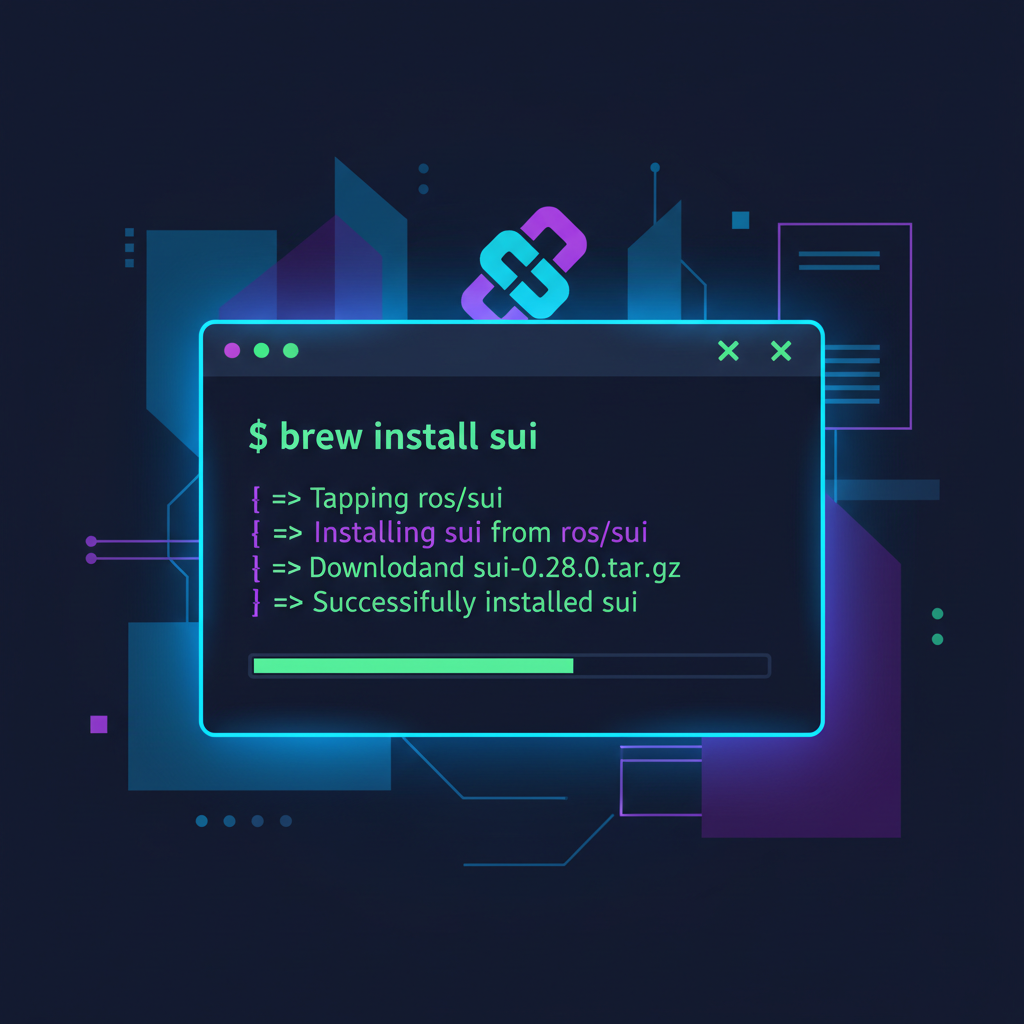
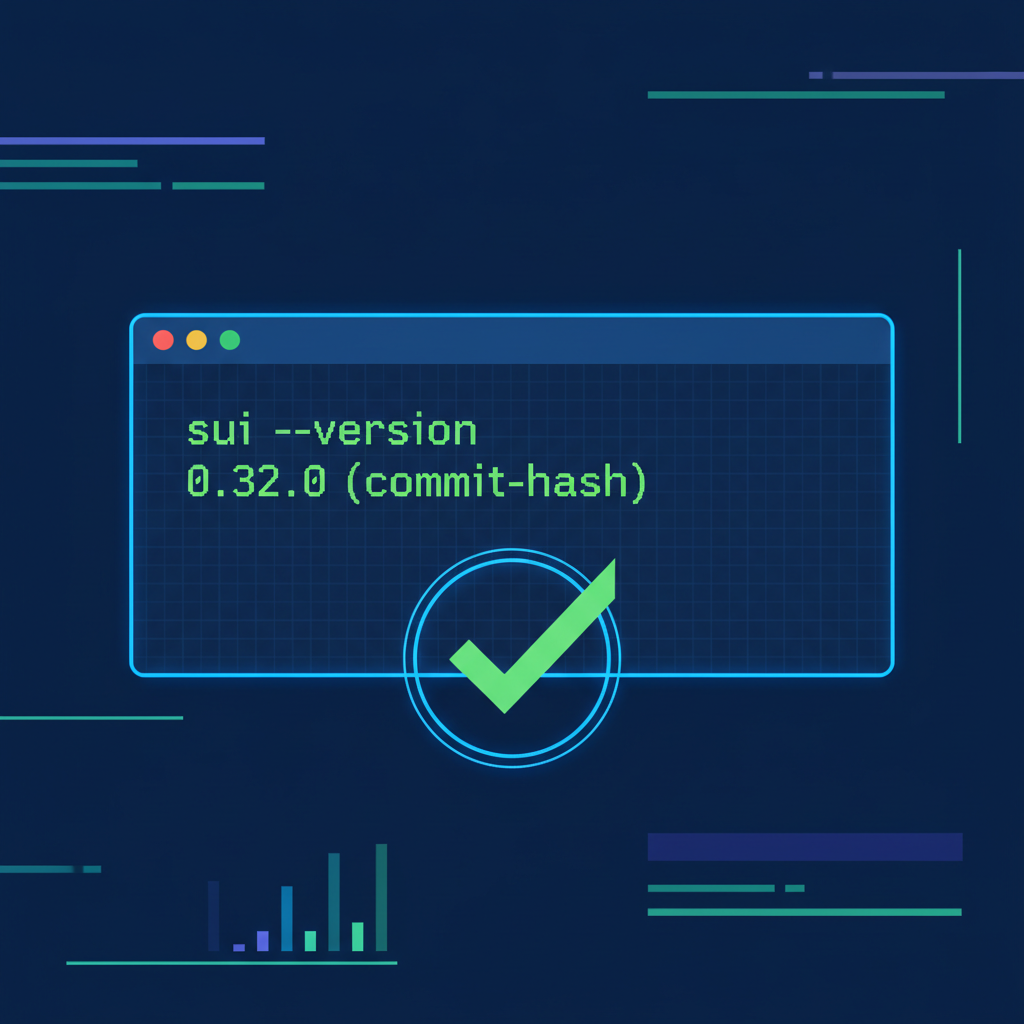
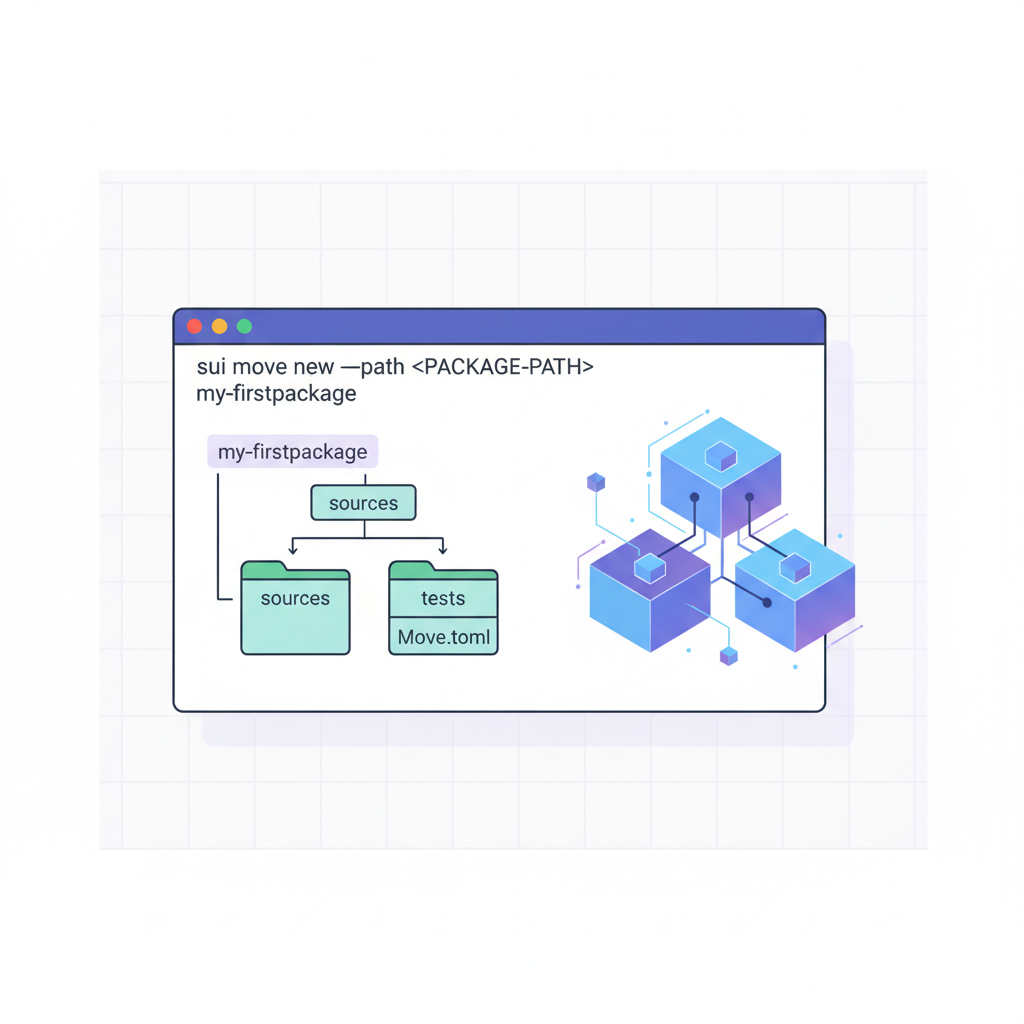
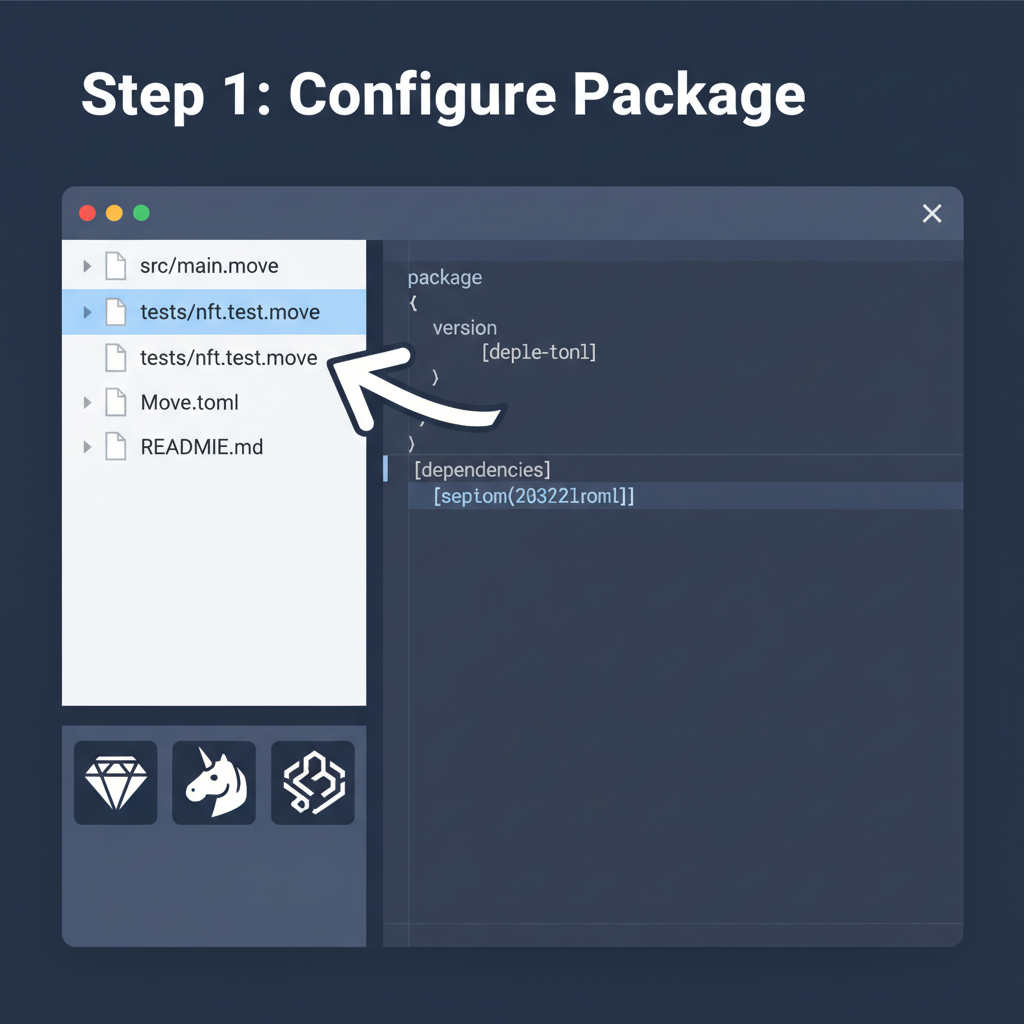
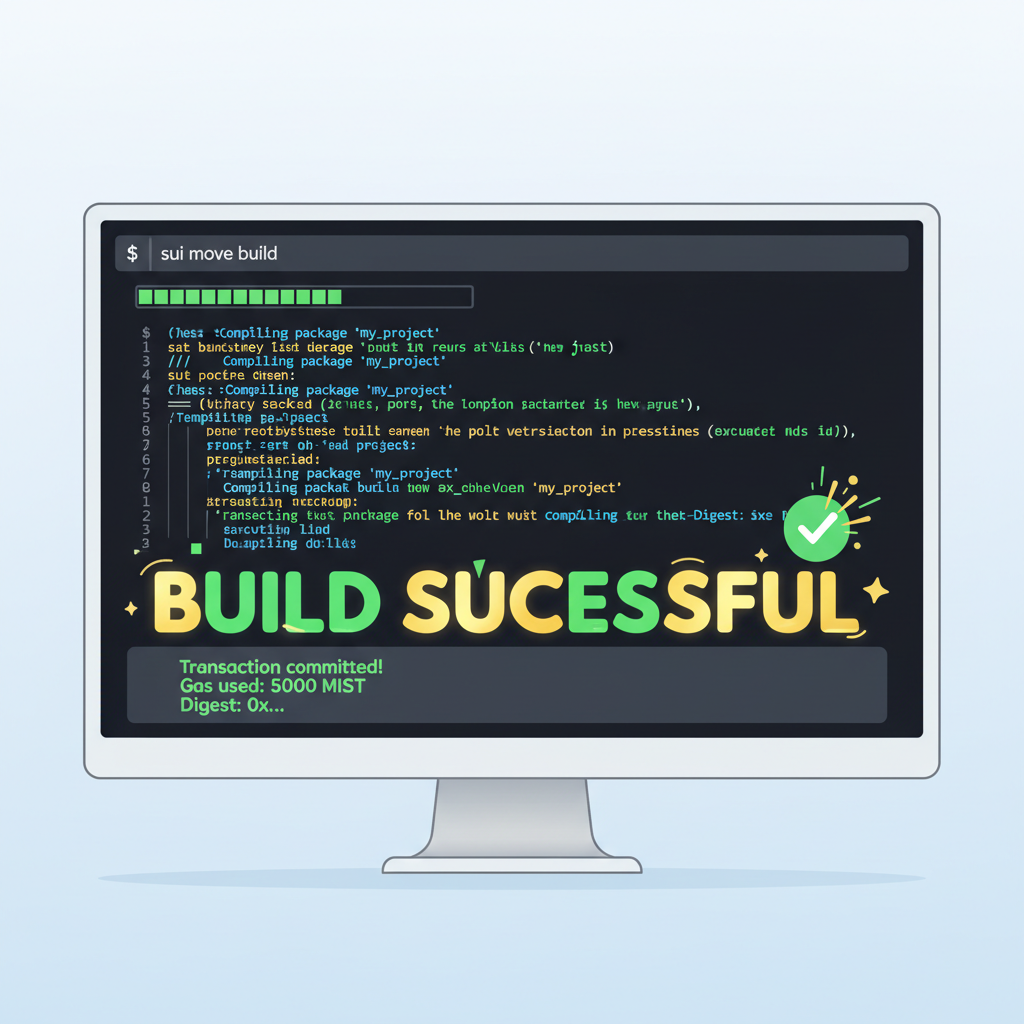
Once set up, your project structure includes a Move. toml manifest defining dependencies on Sui framework modules like object, transfer, and event. This file acts as your contract's passport, specifying Sui version compatibility crucial for 2026's optimized runtime.
Crafting the NFT Module: Structure and Abilities
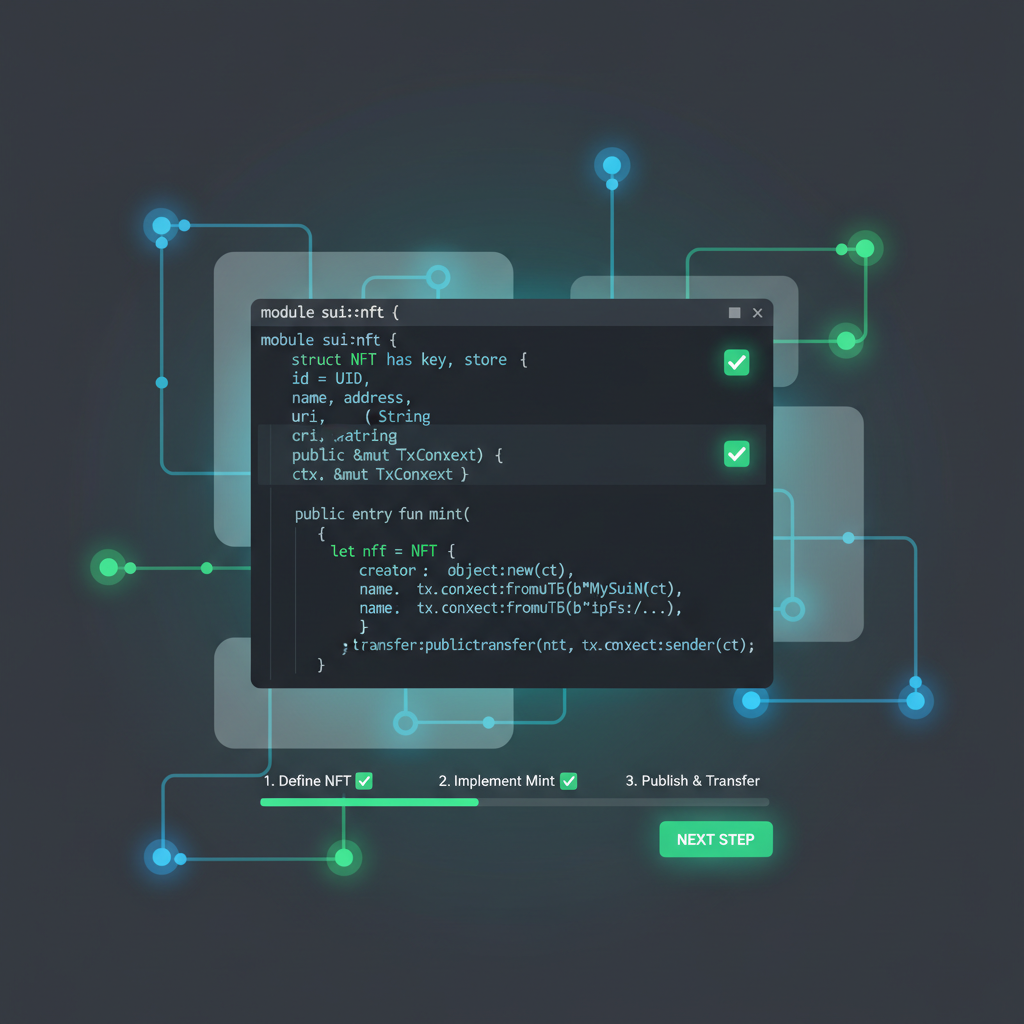
At the heart of our build nft on sui move example is the NFT module. We define a struct with key abilities: key for storage, store for transferability, and witness for minting exclusivity. This trio enforces security by design.
Testing this module locally reveals Move's prover in action, verifying invariants like no duplicate IDs. As we progress, integrating dynamic fields for attributes unlocks advanced traits, positioning your contract for DeFi integrations or marketplaces in Sui's burgeoning ecosystem.
Dynamic fields elevate your sui move nft contract beyond static metadata, allowing on-chain evolution like rarity upgrades or provenance tracking. This flexibility, rooted in Sui's object-centric paradigm, future-proofs collections against market shifts, much like reallocating assets in a volatile portfolio to maintain equilibrium.
Secure NFT Transfer, Admin Burn, and Dynamic Attributes
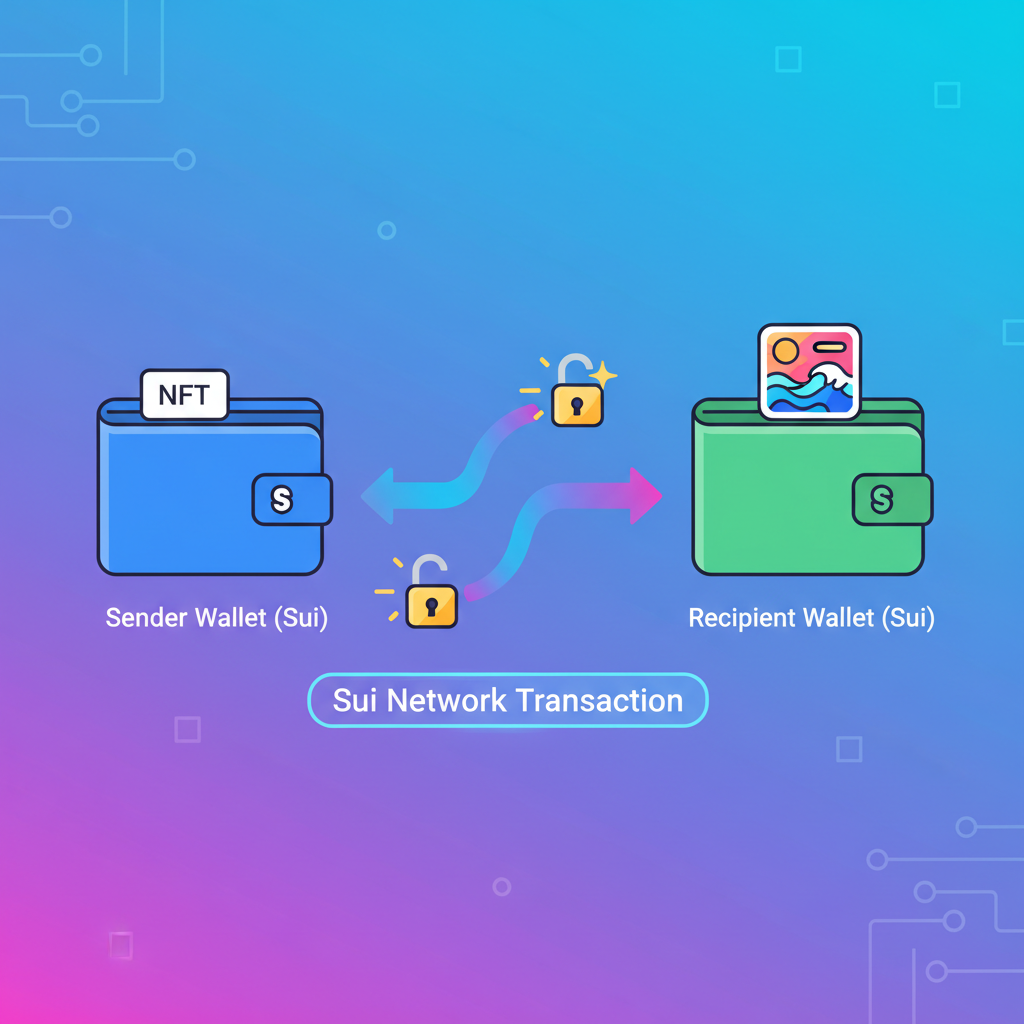
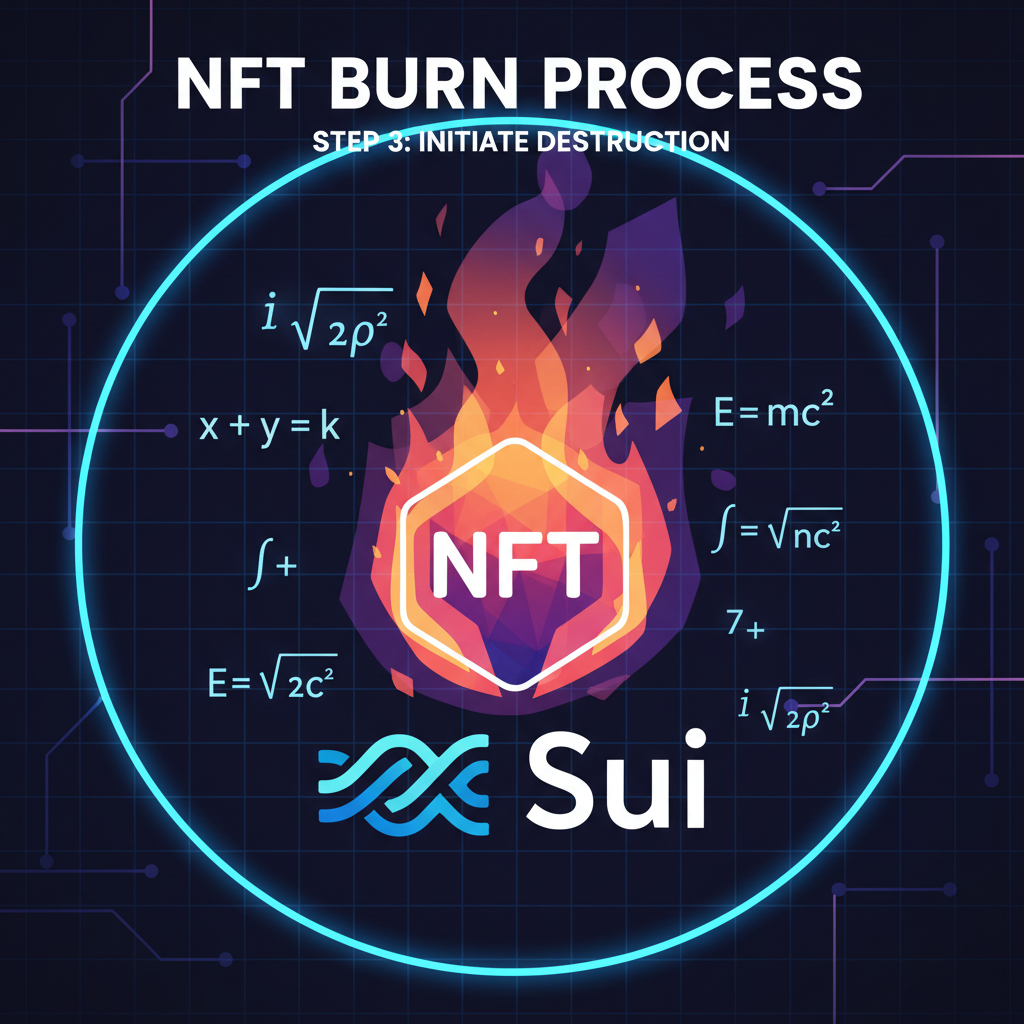
Building on the foundational NFT structure, these functions implement secure transfer via `sui::transfer`, capability-enforced burning for admin safety, and dynamic attribute addition using a `Bag` for extensible metadata. This approach balances usability with Sui's security model, preparing your contract for scalable applications in 2026 and beyond.
```move
/// Core functions for NFT transfer, safe burn, and dynamic attribute management
/// in a Sui Move NFT contract.

use std::string::{Self, String};
use sui::bag::{Self, Bag};
use sui::object::{Self, UID};
use sui::transfer;

/// NFT structure with extensible attributes via Bag (for future-proofing)
struct NFT has key, store {
    id: UID,
    name: String,
    attributes: Bag,
}

/// Admin capability for privileged operations like burning
struct AdminCap has key {
    id: UID,
}

/// Transfer NFT ownership securely using sui::transfer
/// This ensures provenance and prevents unauthorized reassignments
public entry fun transfer_nft(nft: NFT, recipient: address) {
    transfer::public_transfer(nft, recipient);
}

/// Safe burn: Admin-only, aborts if attributes bag is not empty
/// Promoting responsible token lifecycle management
public entry fun burn_nft(nft: NFT, _admin: &AdminCap) {
    let NFT { id, name, attributes } = nft;
    bag::destroy_empty(attributes);
    string::drop(name);
    object::delete(id);
}

/// Add dynamic attributes using Bag for flexibility
/// Enables evolving metadata without contract migrations
public entry fun add_attribute(nft: &mut NFT, name: vector, value: String) {
    bag::add(&mut nft.attributes, name, value);
}
```
These operations form a robust core for NFT handling: transfers maintain clear ownership trails, burns respect administrative oversight while preventing data loss, and dynamic fields support rich, evolving attributes. As blockchain standards advance, this design positions your contract for seamless integrations like marketplaces and royalty enforcement.
Implementing Transfer, Burn, and Admin Controls
Secure transfers demand precision in Move. The transfer function leverages Sui's transfer: : public_transfer, passing ownership directly to a new address while emitting an event for marketplace indexing. Burns require an admin capability, a one-time-use witness that prevents unauthorized destruction, aligning with conservative risk management principles.
In practice, admin controls centralize minting authority via a shared AdminCap object. This setup lets project leads pause mints or update royalties post-deployment, a diplomatic balance between creator control and community trust. Forward-looking contracts embed upgrade proxies, preparing for Sui's 2026 governance evolutions without forking.
Secure Your Sui NFT: Master Unit Tests, Invariants & Formal Verification

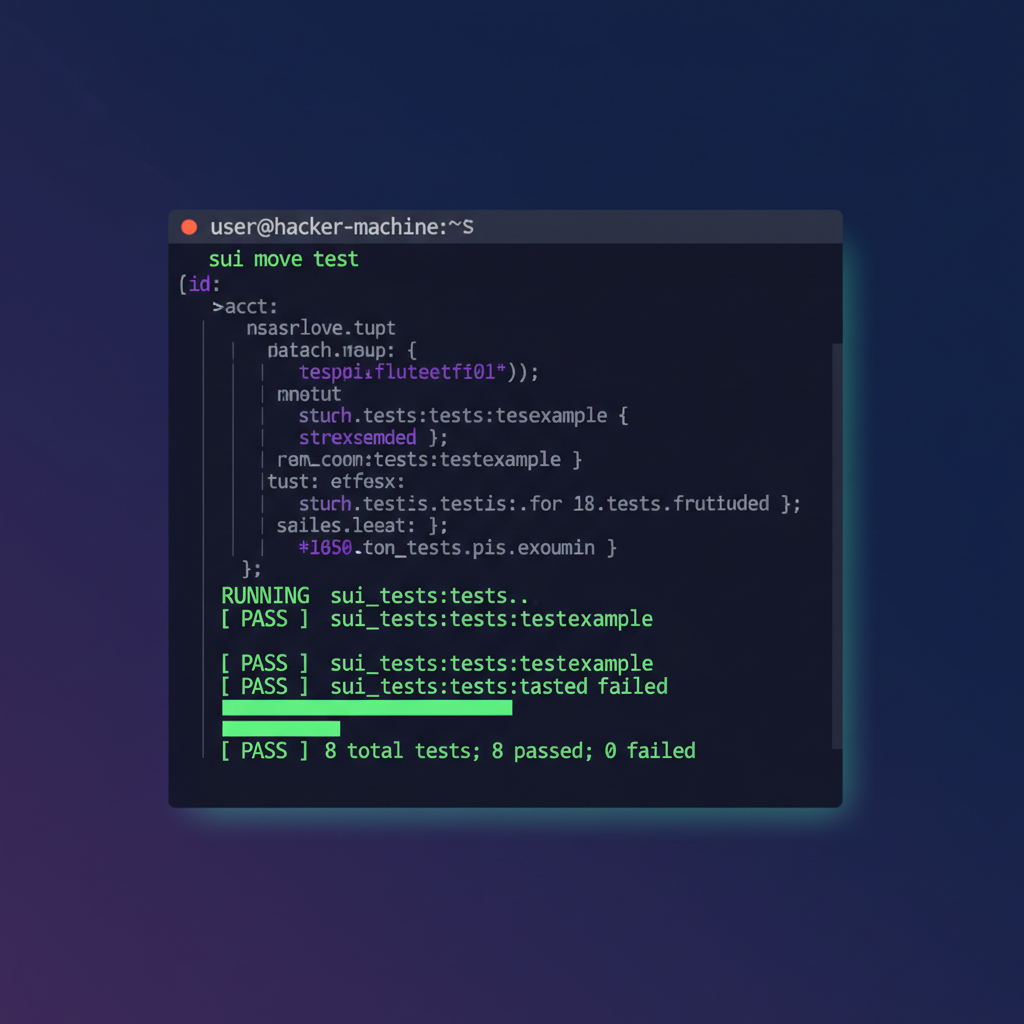

Rigorous Testing: From Unit to Prover
Neglecting tests invites exploits, as history shows across chains. Sui Move's testing framework shines here, with unit tests simulating signer contexts to assert post-conditions like unique ownership. The prover goes further, mathematically proving absence of reentrancy or overflow, a layer of assurance I insist on for any production sui nft code example 2026.
Interactive platforms accelerate this process, offering gamified feedback on failures. GitHub samples, from auction houses to marketplaces, reveal battle-tested patterns; study them to infuse your sui move smart contract nft with resilience. Opinion: Prioritize edge cases, like concurrent transfers, to mirror real-world stress.
One-Click Deployment and Ecosystem Integration
With code validated, publishing demands a single command: sui client publish targets the testnet, generating a package ID for frontend hooks. Sui's PTBs enable batched mints, slashing costs during launches. This efficiency positions build nft on sui move projects for DeFi yields or cross-chain bridges emerging in 2026.
Workshops on object models and courses covering mint-to-burn lifecycles demystify PTBs, empowering beginners to craft production-grade dApps. Resources like NFT auction repos demonstrate royalties via shared objects, a staple for sustainable models.
Sui's trajectory promises even tighter tooling, from TS SDK generators to optimized runtimes, making sui move nft tutorial accessible yet sophisticated. Developers who master these today build tomorrow's blue-chip collections, diversifying blockchain exposure with unyielding security. Embrace the object model; it's the diversified foundation thriving amid innovation.



No comments yet. Be the first to share your thoughts!