

Sui Move Tutorial: Building Reusable Modules with Dynamic Fields for NFTs

Imagine crafting Sui Move NFT modules that evolve on demand, packing in attributes like power-ups for in-game assets or metadata upgrades for digital art – all without rigid structs locking you in. That’s the raw power of dynamic fields in Sui Move, letting you build reusable Sui Move modules that adapt, scale, and dominate the blockchain. Developers, it’s time to ditch fixed fields and unleash heterogeneous data storage that mirrors real-world chaos.

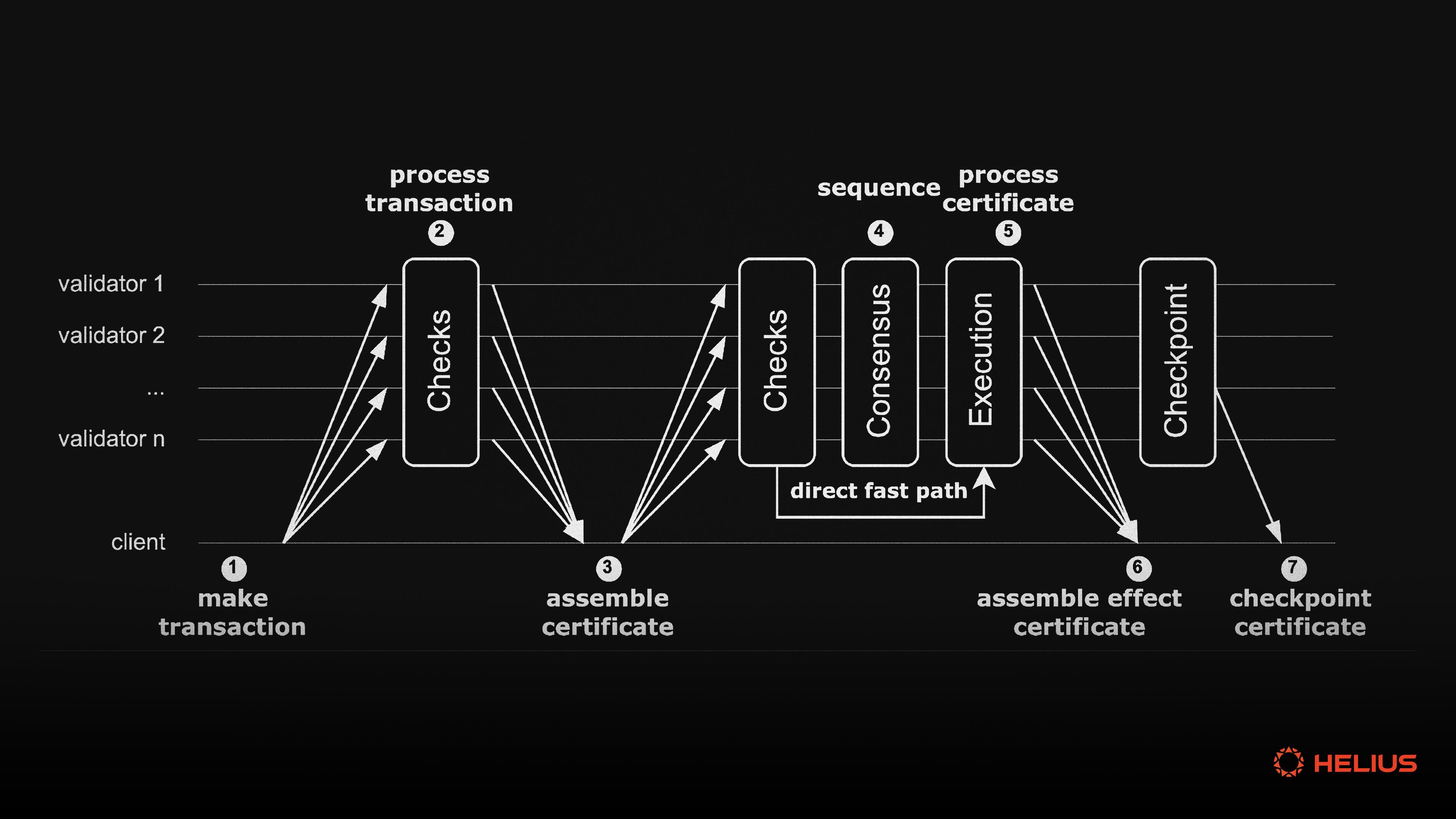
Dynamic fields flip the script on traditional Move structs. Unlike static fields defined at compile-time, these bad boys let you add, tweak, or yank fields at runtime with arbitrary names. Gas only hits when you access them, keeping your Sui NFT smart contracts lean and mean. Sui’s object model treats them like a supercharged Map – attach any object type to another, stacking complexity for evolving NFTs that gain traits over time.
Dynamic Fields: The Backbone of Adaptive Sui Move NFTs
Sui documentation nails it: dynamic object fields store heterogeneous values, added or removed dynamically. Think of an NFT starting as a basic artwork, then dynamically gaining ‘rarity_score’ or ‘artist_notes’ fields as auctions heat up. No redeploys, no migrations – pure flexibility. The Move Book compares it to Maps in other langs, but Sui amps it with object-centric storage, perfect for move language dynamic objects.
Yet, power demands respect. No built-in ‘exists’ check means you plan access patterns sharp. Validator hiccups can snag consistency, so test ruthlessly. Still, for sui move dynamic fields, this is your ticket to NFTs that morph – in-game swords leveling up or collectibles tying into DeFi yields seamlessly.
Dynamic fields enable sophisticated structures like linked lists or prefix tries right in Move, pushing NFT functionality to pro levels.
Why Reusable Modules with Dynamic Fields Crush Competition
Fixed structs? Amateur hour. Reusable modules shine when your NFT logic plugs into any collection without rewrite. Define a core NFT module using dynamic fields for traits, then mixin for games, art drops, or hybrids. Kiosks and TransferPolicies from Sui examples pair perfectly – mint collections where each piece evolves uniquely, boosting holder stickiness.
SuiByExamples spotlights dynamic NFTs: launch, evolve, conquer. Pair with witness patterns for type safety, and you’re forging unbreakable sui move nft modules. Gas efficiency? Accessed fields only burn, so lazy-load metadata for massive scalability. Developers chasing EVM vibes, this is your SVM edge – no gas wars over unused data.
Snap It On: Adding & Reading the ‘name’ Dynamic Field
Charge ahead and master dynamic fields! Here’s a punchy Sui Move example that slaps a ‘name’ string onto an NFT object and yanks it back—no sweat.
```move
module nft_example::nft {
    use sui::object::{Self, UID};
    use sui::dynamic_object_field as dof;
    use sui::tx_context::{Self, TxContext};
    use sui::transfer;
    use std::string::{Self, String};

    /// A basic NFT object capable of holding dynamic fields
    struct NFT has key {
        id: UID,
    }

    /// Mint an NFT and boldly add a 'name' dynamic field!
    public entry fun mint(ctx: &mut TxContext) {
        let nft = NFT {
            id: object::new(ctx),
        };
        let name: String = string::utf8(b"Sui Power NFT");
        dof::add(&mut nft.id, b"name", name);
        transfer::public_transfer(nft, tx_context::sender(ctx));
    }

    /// Retrieve the name dynamic field with confidence
    public fun get_name(nft: &NFT): String {
        *dof::borrow(&nft.id, b"name")
    }
}
```
Explosive, right? You’ve just unlocked reusable power for your NFTs. Crush the next challenge and build like a blockchain boss!
That snippet? Your launchpad. See how add_field packs any type under a key, retrieved on demand. Scale it: store vectors of upgrades, nested objects for metadata trees. Bootcamp codes on GitHub hammer this home with exercises turning rookies into Sui pros.
Blueprint for Your First Reusable Dynamic NFT Module
Start aggressive: struct your NFT base with a dynamic field bag. Use Object
//Pseudo blueprint module nft_dynamic: : nft { use sui: : dynamic_object_field; struct NFT has key, store { id: UID, fields: DynamicObjectField } public entry fun add_trait(nft: and mut NFT, key: vector and lt;u8 and gt;, trait: TraitObj) } Traits as objects? Stack ’em deep. This reusable core slots into kiosks for transfers, policies enforcing royalties. Evolving attributes via dynamic fields mean your module flexes across projects – one code base, infinite NFTs. Assert control: capabilities lock minting, burns, ensuring security scales with reuse.

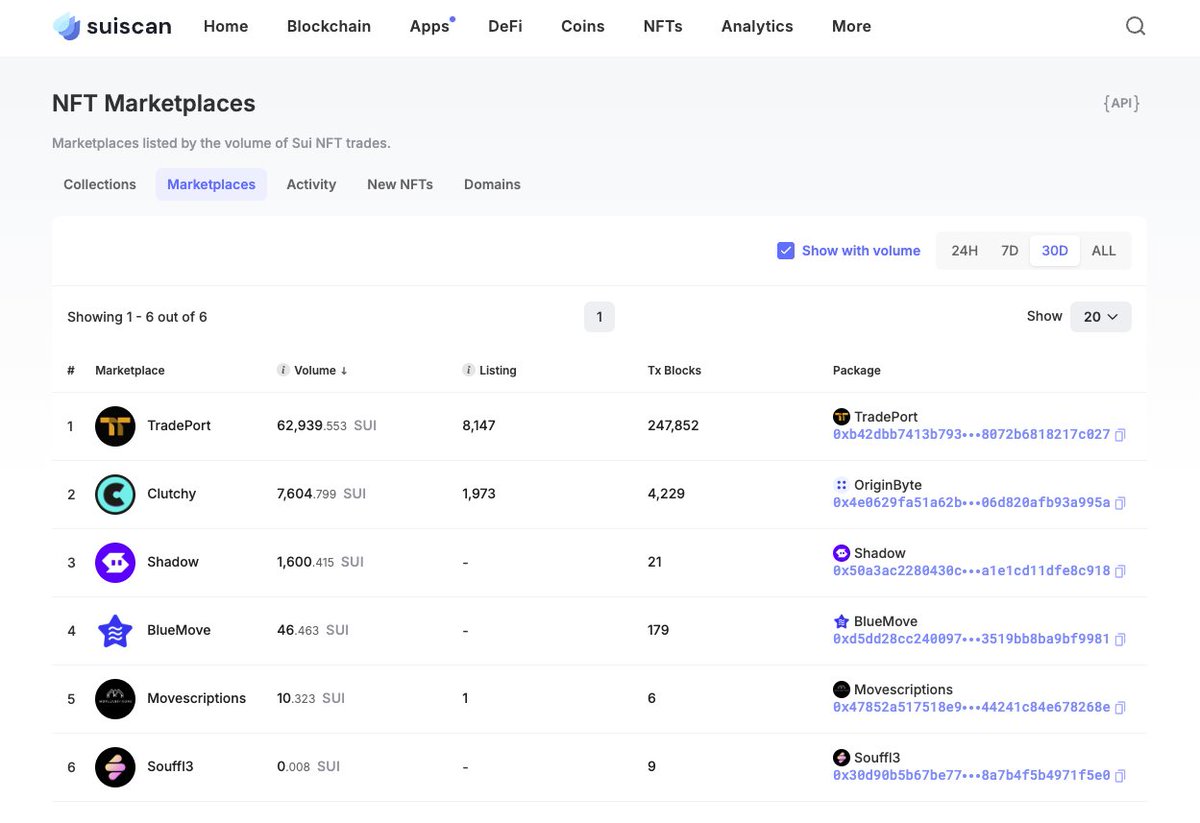
Leading Sui NFT marketplaces
• TradePort – analytics + multi chain
• BlueMove – community rewards, 0% listing
• Clutchy – gaming/NFT launchpad focus
• Sui Gallery – creator friendly, clean UI
• KeepSake – gaming collectibles & perks https://t.co/Yx4yYxdaxj
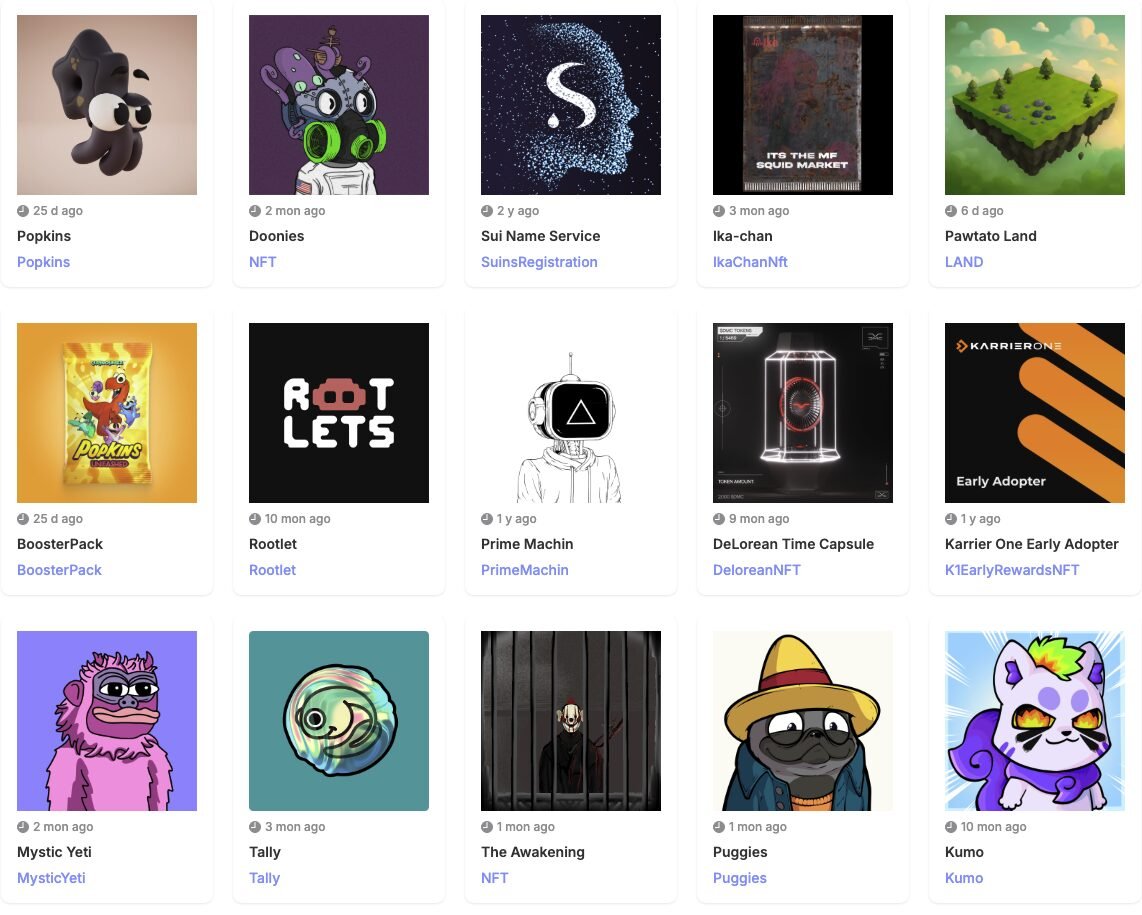
Notable Sui NFT collections
• Prime Machin – evolving art, fully on chain
• Fuddies – OG mainnet community
• DeSui Labs – creative social betting vibe
• SuiFrens – Capy, Bullshark, Narwhal icons https://t.co/cKShktWiX5
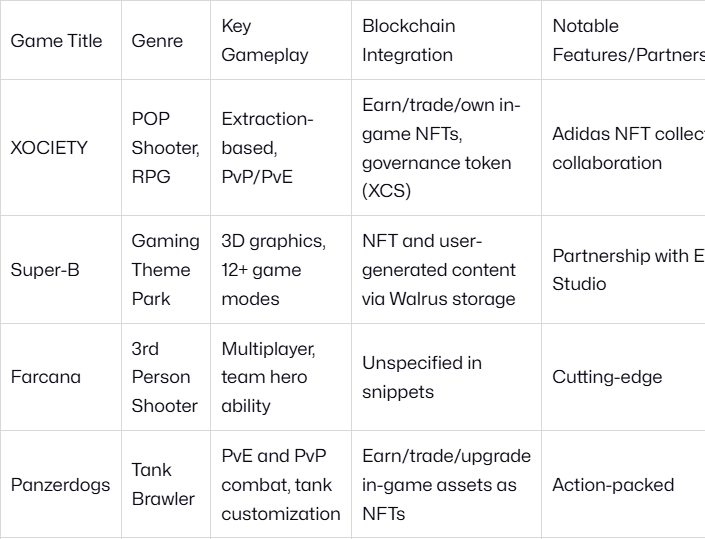
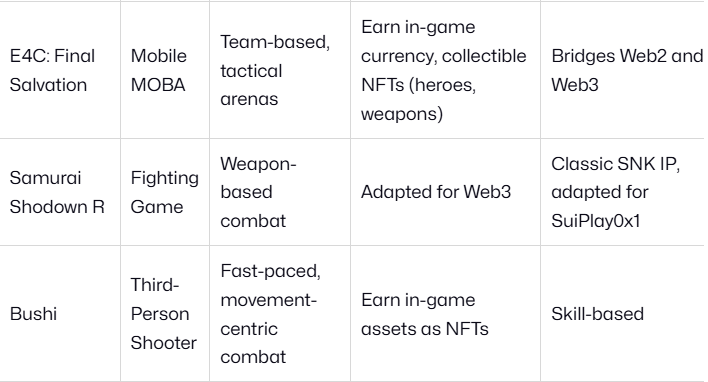
Games driving NFT utility
XOCIETY, Samurai Shodown R, Super-B, Panzerdogs.
SuiPlay0X1 handheld bridges Web2 & Web3 gaming.
Assets earned in game can be traded instantly. https://t.co/RjLg6057AT
Forum threads and intro courses echo: master this, master Sui. Next, we’ll dive into full minting flows, kiosk integrations, and battle-tested tests. Gear up – your fortune awaits in these dynamic depths.
Let’s crank it up with full minting flows using Kiosks – the Sui powerhouse for NFT handling. Drop your dynamic NFT into a Kiosk, slap on a TransferPolicy, and watch royalties enforce while fields evolve. No more clunky EVM mints; Sui’s object model lets each NFT live independently, dynamic fields firing on upgrades without touching the core.
Minting Flows: From Dynamic Blueprint to Kiosk-Ready NFTs
Grab that blueprint module and mint aggressive. Init a witness for your collection, spawn UIDs, inject base dynamic fields like ‘creator’ or ‘edition’. Entry fun mint_nft spits out key-bearing objects, immediately deposit into Kiosk. Medium guides like Thouny’s breakdown nail this: couple with TransferPolicy for locked transfers until rules clear. Your reusable module? It generics across collections – swap traits, reuse the engine.
Minting Mastery: Dynamic NFT Function with Kiosk Power
Ignite your NFT revolution! This complete minting function is a dynamic powerhouse: it crafts a flexible NFT core, blasts in custom dynamic fields for attributes and metadata, and deposits it straight into the Kiosk for instant market readiness. Grab your Kiosk, fuel it with details, and mint like a boss!
```move
module nft_collection::minter {
    use std::string::{utf8, String};
    use std::vector;
    use sui::object::{Self, UID};
    use sui::tx_context::{Self, TxContext};
    use sui::kiosk::{Self, Kiosk};
    use sui::dynamic_object_field as dof;
    use sui::url::{Self, Url};
    use sui::transfer;

    /// Core NFT struct - lean and mean, extended via dynamic fields
    struct NFT has key, store {
        id: UID,
        name: String,
    }

    /// Entry point: Mint an NFT, supercharge with dynamic fields, deposit to Kiosk
    public entry fun mint_dynamic_nft(
        kiosk: &mut Kiosk,
        name: vector,
        url_str: vector,
        description: vector,
        ctx: &mut TxContext
    ) {
        let nft = NFT {
            id: object::new(ctx),
            name: utf8(name),
        };

        // Inject dynamic URL field - perfect for metadata
        dof::add(&mut nft.id, utf8(b"url"), url::new_unsafe_from_bytes(url_str));

        // Add dynamic description field
        dof::add(&mut nft.id, utf8(b"description"), utf8(description));

        // Pro tip: Add more dynamic fields here for attributes, rarity, etc.
        // e.g., dof::add(&mut nft.id, utf8(b"rarity"), utf8(b"Epic"));

        // Slam it into the Kiosk - ready for trading domination!
        kiosk::deposit(kiosk, nft);
    }
}
```
Explosive! You’ve just armed yourself with a reusable minting machine that scales with dynamic fields. Deploy it now, customize endlessly, and watch your collection skyrocket. You’re building the future – keep charging ahead!
Deploy that beast, and scalability explodes. Hundreds of NFTs, each packing unique dynamic payloads – power levels for games, provenance chains for art. Gas? Minimal until access, so flood the chain without bankruptcy. SuiByExamples walks the end-to-end: launch, evolve, profit. Developers, this is where reusable Sui Move modules print value – one module, endless drops.
Integrate kiosks seamless: post-mint, kiosk: : place locks it with policy checks. Dynamic fields shine here – add ‘locked_until’ or ‘yield_accrued’ post-deposit, all runtime. Witness pattern from Adevar Labs keeps types ironclad, no rogue mints sneaking in. Forum tutorials push concrete examples: your module becomes the plug-and-play standard for Sui NFT devs.
Battle-Tested: Capabilities, Security, and Gas Optimization
Security first, always. Capabilities gate everything – mint_cap, admin_cap for field ops. Dynamic fields tempt overreach, so assert ownership pre-add/remove. No ‘exists’? Roll your own via try-catch patterns on reads. Gas traps? Batch adds, prune unused fields. Bootcamp GitHub drills this: exercises forging modules that survive audits.
Tick those boxes, and your modules bulletproof. Opinion: skip capabilities, invite exploits. I’ve seen fixed-struct projects crumble under upgrades; dynamic fields demand discipline but reward with immortality. Test vectors? Mock dynamic adds in unit suites, integration flows hitting kiosks. Sui’s CLI deploys fast – iterate, conquer.
Scaling to Pro: Real-World Evolutions and Beyond
Picture this: your module powers a game where NFTs level via dynamic ‘stats’ fields, fed by oracle events. Or DeFi hybrids stacking yield data dynamically. Heterogeneous storage crushes it – vectors, maps, nested objects, all under one roof. Limitations? Validator syncs demand idempotent ops; plan accordingly. Yet, the edge over EVM/SVM? Objects own themselves, no proxy hell.
Sui intro courses hammer heterogeneous runtime adds: arbitrary names unlock creativity. Build prefix tries for trait queries, linked lists for history. Your Sui NFT smart contracts transcend static – they live, breathe, adapt. Devs migrating from EVM, embrace this: time handling, collections, all idiomatic in Move.
Armed with these flows, deploy today. Fork bootcamp repos, tweak for your drop, launch on testnet. Dynamic fields aren’t a feature; they’re your unfair advantage in sui move nft modules. Stack traits, kiosk it, evolve relentlessly. The blockchain bows to those who build dynamic. Charge forward – fortunes stack in these fields.