

Sui Move Tutorial: Build and Deploy Secure DeFi Lending Contract on Sui 2026

In the fast-paced world of blockchain in 2026, Sui’s Move language continues to carve a niche for developers seeking reliability in DeFi. Unlike volatile platforms prone to exploits, Sui Move enforces resource safety at the language level, making it ideal for crafting a lending contract that withstands market pressures. This tutorial walks you through building and deploying such a secure DeFi lending protocol, drawing from real-world examples like the scallop-io sui-lending-protocol on GitHub.

Grasping Move’s Resource Model for Lending Security
Move’s strength lies in its object-centric model, where assets like deposits and loans are treated as first-class citizens. This prevents common pitfalls such as double-spending or unauthorized transfers, a conservative choice for DeFi where user funds demand ironclad protection. In our Sui lending contract, we’ll model positions as Sui objects: a LendingPool shared object manages reserves, while individual BorrowPosition objects track user collateral and debt.
Consider the macro cycles in DeFi; lending protocols thrive when they prioritize sustainability over flashy yields. Sui Move’s linear types ensure collateral can’t be withdrawn without repaying loans, aligning with a thoughtful approach to over-collateralized lending. Resources from the Sui Developer Portal’s Move Intro Course reinforce this, emphasizing modules for reserves, oracles, and liquidation logic.
Setting Up Your Sui Development Workspace
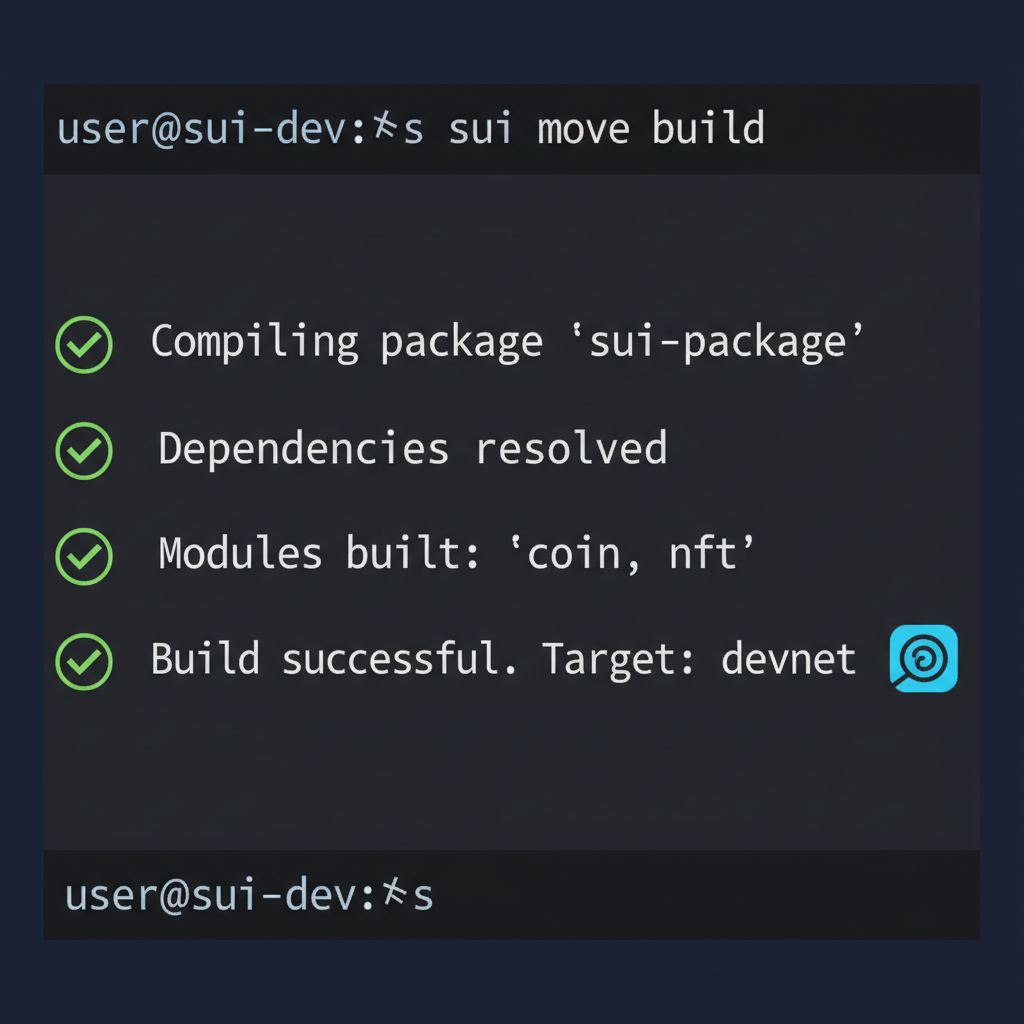
Before diving into code, establish a solid foundation. Sui CLI remains the workhorse for deployment to devnet or testnet, as outlined in sui-book. com’s intro course. Initialize a new Move package with sui move new lending_protocol, then structure modules: pool. move for core logic, position. move for user states, mirroring modular practices from Medium guides on Sui Move contracts.
I advocate starting local; spin up a Sui node with sui genesis to test iterations without gas fees eating into your focus. Fetch testnet SUI from faucets, and integrate a mock oracle for asset prices – crucial for liquidation thresholds in our sui move defi tutorial. The Dacade Sui DeFi challenge highlights this setup, urging originality in contract design.
Time in the market beats timing it, even in code: build iteratively, audit relentlessly.
Crafting the Deposit and Borrow Functions
Our lending core begins with deposits. Users transfer collateral coins to the pool, minting position objects. Move’s borrow checker shines here; deposits are consumed, preventing reentrancy. Define a deposit function that adds to pool reserves and emits events for indexing.
Borrows introduce nuance: check health factors via oracle prices, ensuring collateral exceeds borrow value by 150%. This conservative ratio guards against flash crashes, a lesson from past DeFi winters. GitHub’s sui-lending-protocol offers battle-tested patterns; adapt their over-collateralized logic for our sui lending contract code.
Next, layer in repayment mechanics. Users call a repay function, transferring borrow amounts back to the pool while updating position debt. Success unlocks proportional collateral withdrawal, maintaining balance in volatile markets. This mirrors the sustainability I preach in investments: steady accrual over speculative leaps.
Implementing Liquidation Safeguards
Liquidation forms the backbone of solvency. When a position’s health factor dips below 110%, liquidators sweep in, repaying debt and claiming collateral at a discount – say 5% bonus. Sui Move’s capabilities table ensures atomic execution, no partial failures. Drawing from Hacken’s Move Smart Contract Audit Checklist, validate oracle feeds resist manipulation and cap liquidation incentives to deter griefing.
In practice, integrate a simple oracle module fetching prices from Sui’s ecosystem, like DeepBook feeds per Dacade tutorials. This setup, conservative yet robust, positions your sui blockchain defi development for real-world resilience amid macro shifts.
Securely Deploy Your Sui Lending Contract: A Thoughtful Guide
Testing Your Sui Lending Protocol Thoroughly
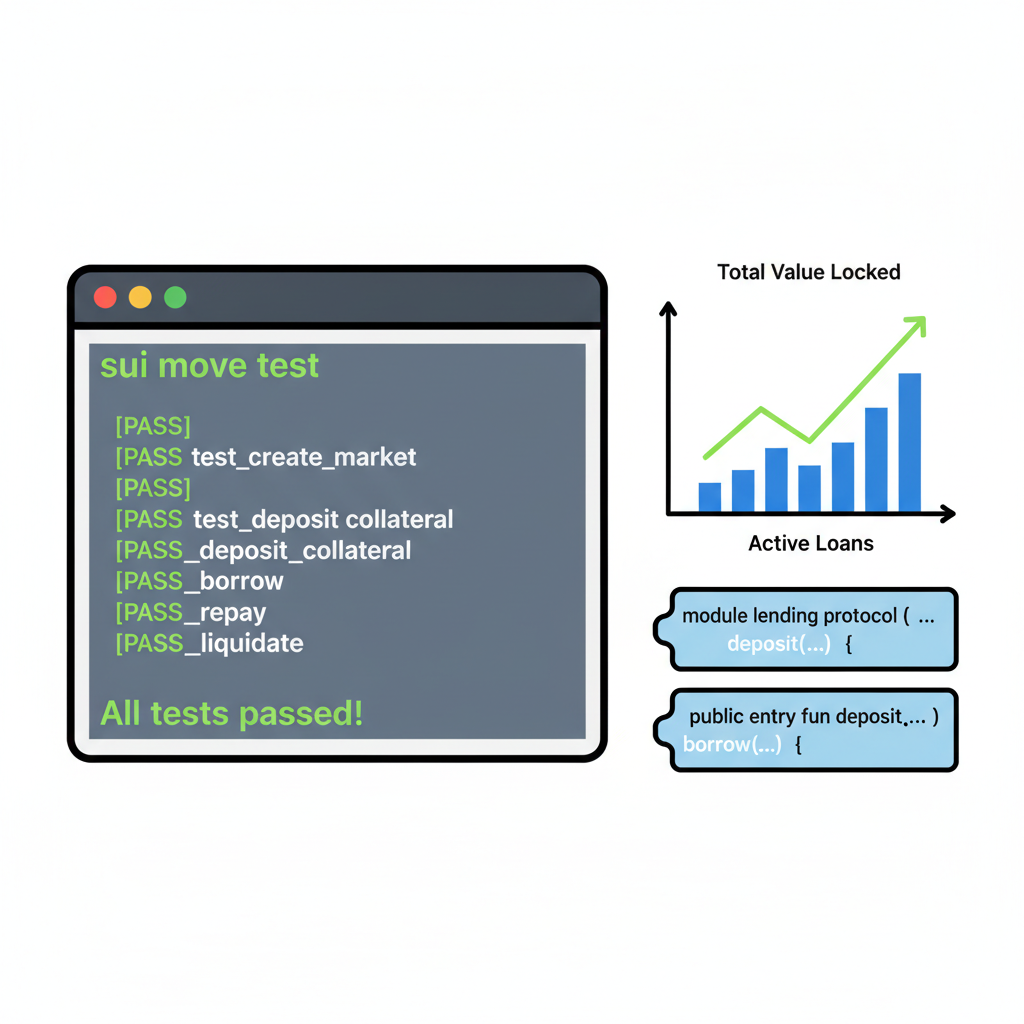
Local testing uncovers edges before mainnet risks. Use Sui’s sui move test to simulate deposits, borrows exceeding thresholds, and liquidations. ProVerif or Move Prover tools from the Sui Developer Portal catch invariants like ‘total debt never exceeds collateral value’. The scallop-io repo’s tests offer templates; fork and extend for your move language lending example.
Graduate to testnet: fund wallets via faucets, execute end-to-end flows. Monitor events for discrepancies, ensuring interest accrues via compounded rates. This iterative grind echoes my bond portfolios – patience yields compounded returns.
Edge cases matter: oracle failures, flash loans, multi-asset pools. A checklist from sui-book. com’s deployment guide confirms gas optimization, vital as Sui’s parallel execution scales fees predictably.
Secure code isn’t optional; it’s the dividend of foresight in DeFi’s long game.
Deploying to Sui Testnet and Beyond
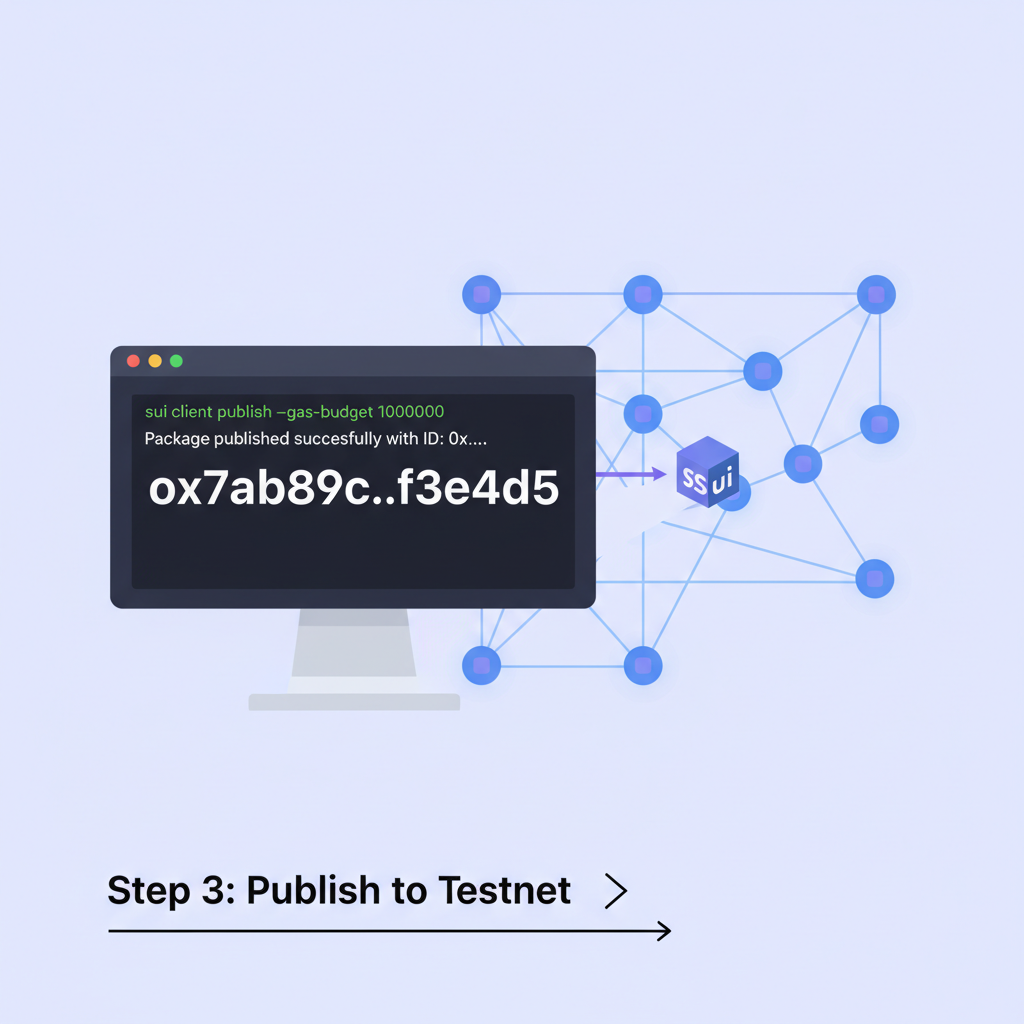
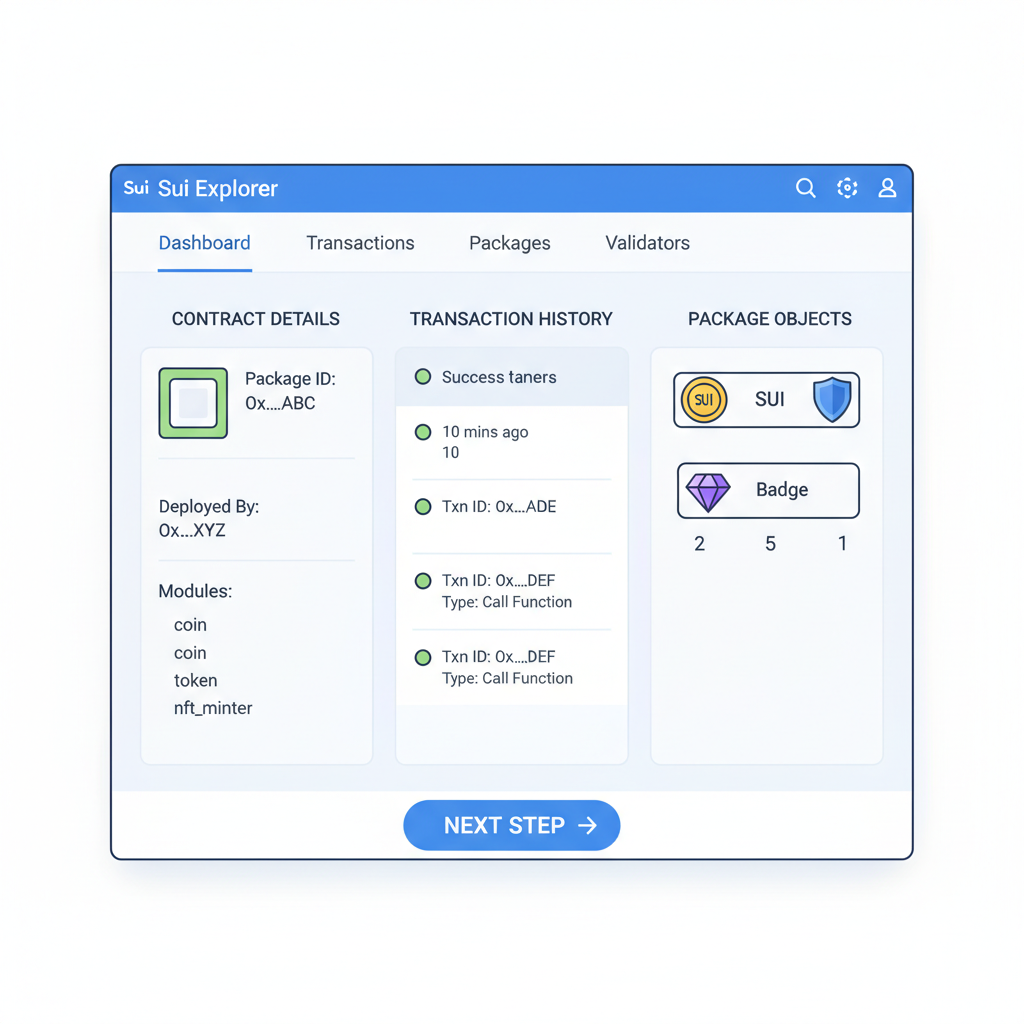
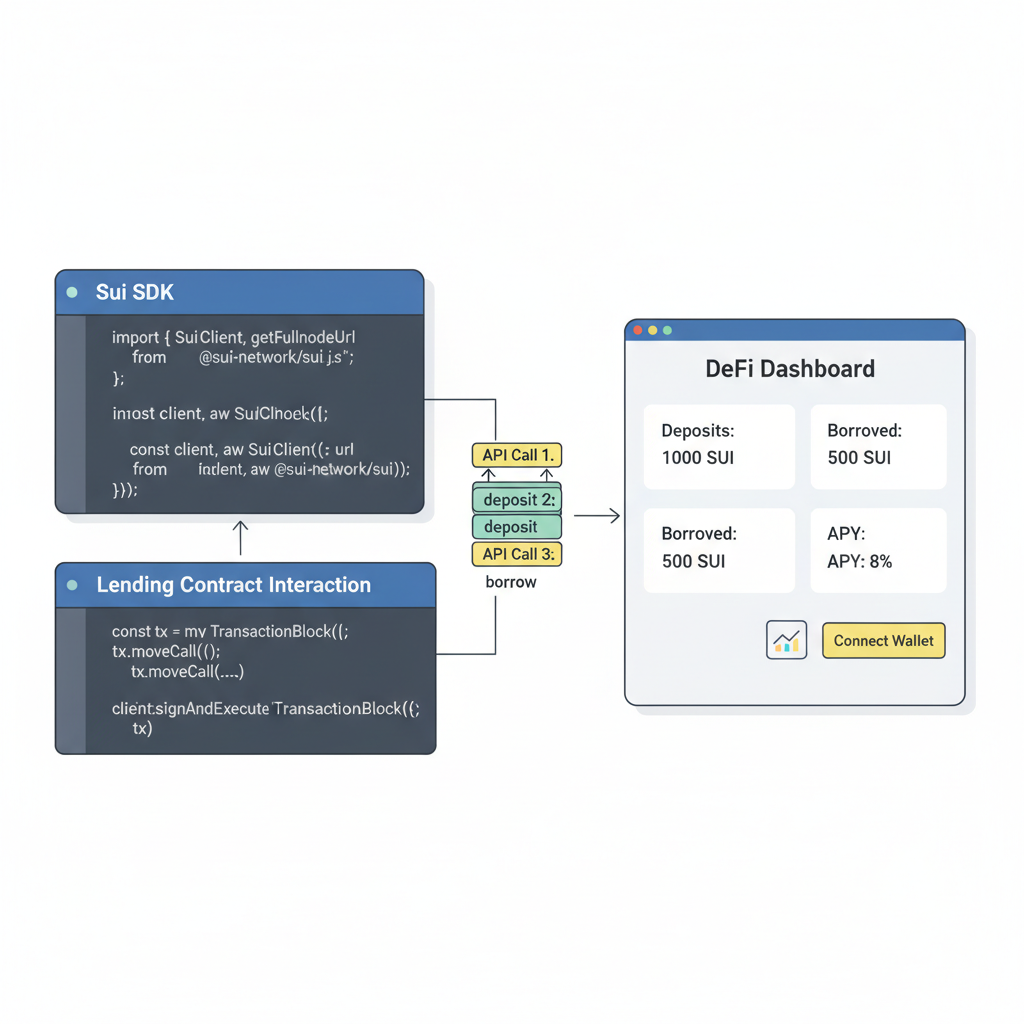
Deployment crystallizes effort. With package built, sui move publish propels your contract to testnet, yielding a package ID for frontend integration. Configure oracles live, seed initial liquidity, and announce via Sui forums. For production, audit via pros referencing Hacken’s Sui checklist: object invariants, access controls, upgradeability proxies.
The Dacade Sui DeFi challenge proves this path; winners showcase audited lending contracts, blending originality with security. Your deploy sui move smart contract now lives, ready for users in Sui’s thriving ecosystem.

– It’s p2p, so no bad debt socialization. No pools to manipulate.
– Loans can be repaid using collateral via @DeepBookonSui .
– heavily AI assisted. 🤡
– yet to audit. 💀
[Built for fun]
Sui Move equips builders for enduring DeFi, where thoughtful design outlasts hype cycles. Reference the Move Intro Course, GitHub exemplars, and community challenges to refine further. Your lending protocol stands as a testament to disciplined innovation on the Sui blockchain.