

Step-by-Step Sui Move Guide: Creating a Token Swap Smart Contract for DEX on Sui Blockchain

With Sui trading at $0.9418 after a slight 24-hour dip of -0.0335%, the blockchain’s momentum in DeFi is undeniable. Builders are flocking to its high-throughput architecture to craft the next big DEX. If you’re ready to build dex sui blockchain style, this step-by-step Sui Move guide dives into creating a token swap smart contract. We’ll harness Move’s resource-oriented safety to swap tokens securely, dodging pitfalls that plague other chains. Let’s swing into action and code a Uniswap-like pool on Sui.

Prime Your Setup: Install Sui CLI and Kickstart Your Sui Smart Contract Token Swap Project
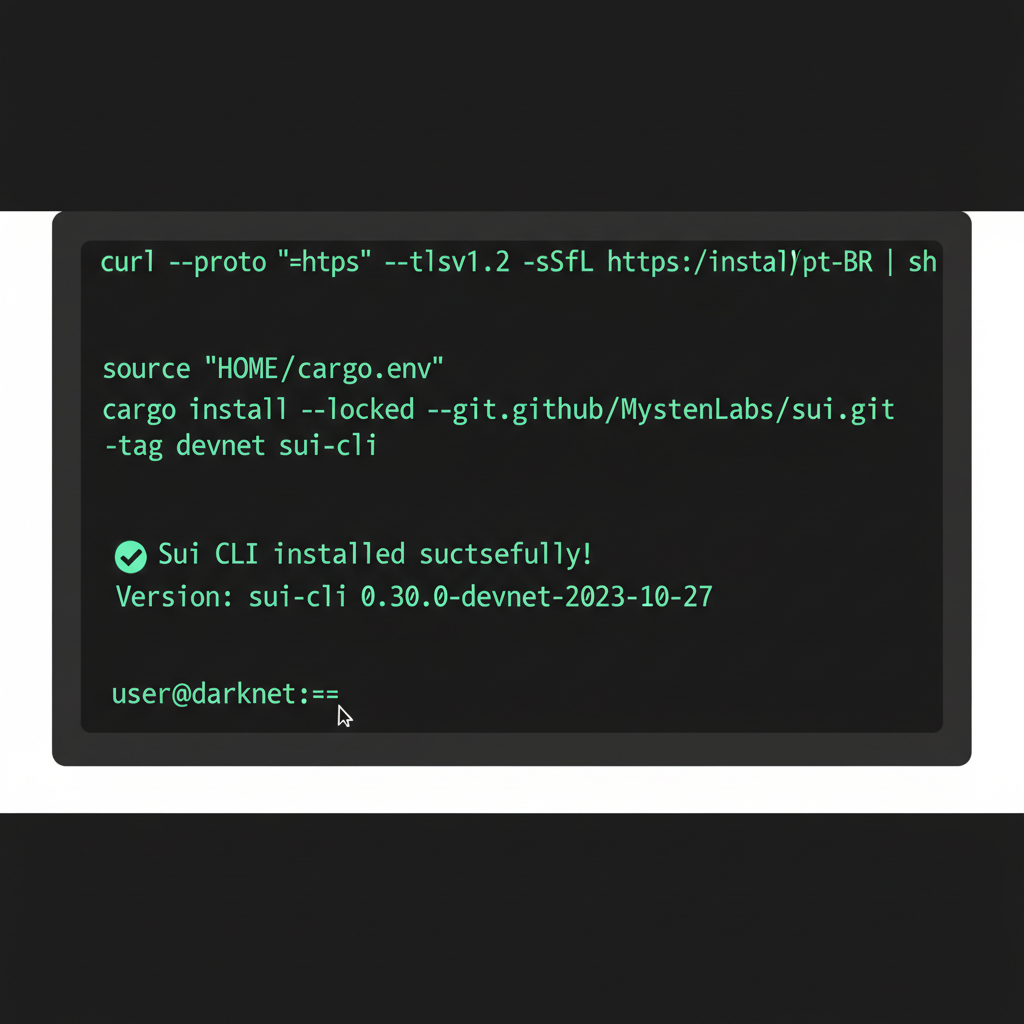
Sui’s dev tools make sui move dex development a breeze, but skipping setup leads to headaches. First, grab the Sui CLI. It’s your command center for compiling, testing, and deploying Move contracts. Head to the official docs, but tactically, use the latest version for testnet compatibility.
Run these tactical commands to initialize:
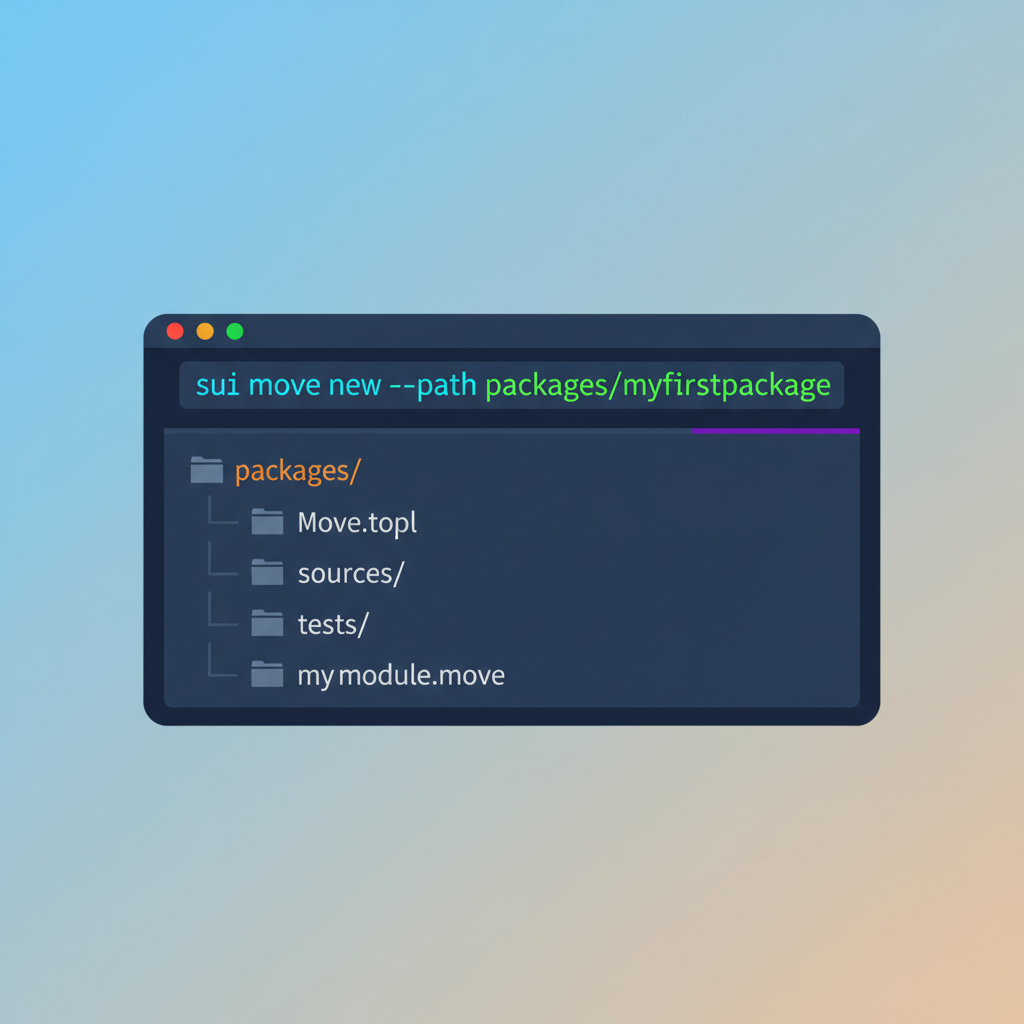
Once Sui CLI is live, create a new package: sui move new token_swap_dex. This scaffolds your Move modules. Add dependencies like Sui’s coin and balance standards in Move. toml. Pro tip: Pin Sui framework version to avoid upgrade surprises. With environment humming, you’re primed for token swap sui move magic.
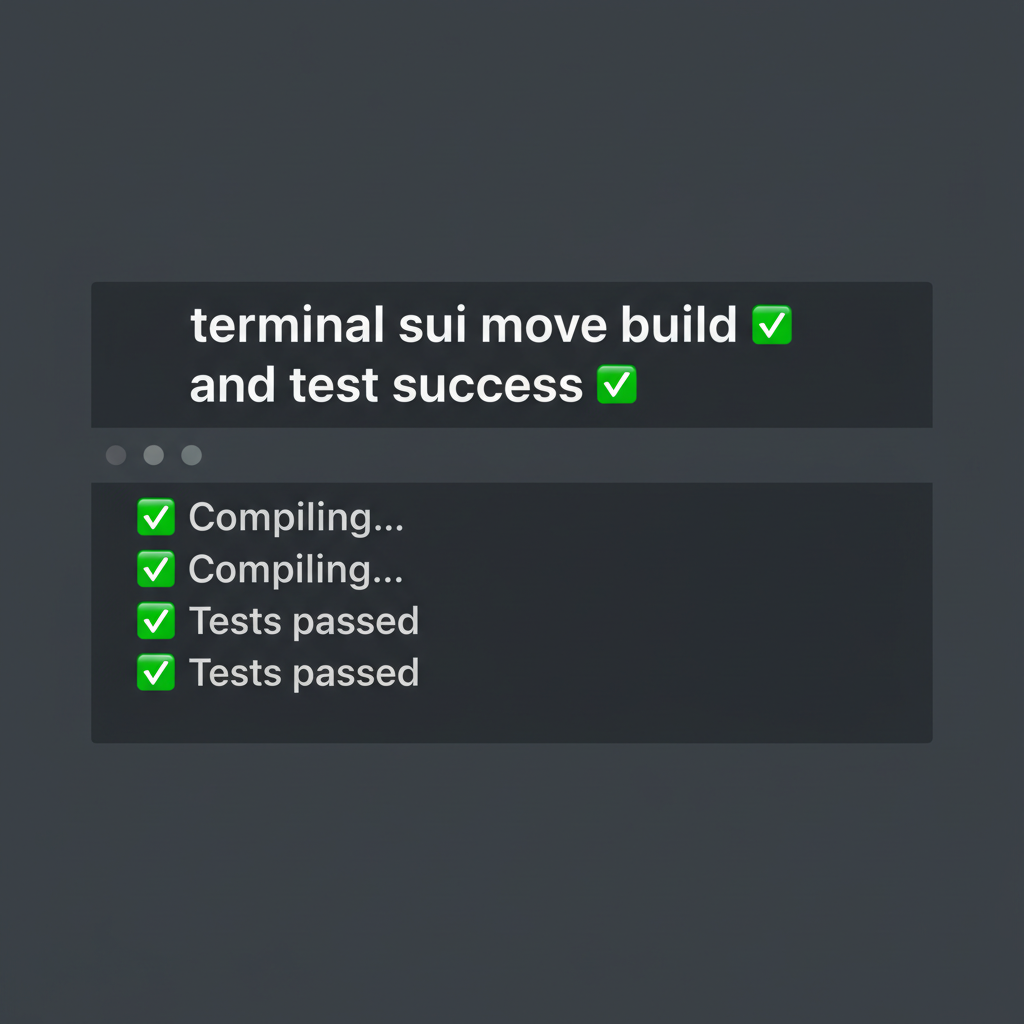
Verify setup by running sui move build. Clean compile? You’re golden. This foundation ensures your build dex sui blockchain journey stays smooth.
Master Sui Objects: The Backbone of Your Move Language DeFi Tutorial
Sui flips the script with its object model. Forget accounts holding balances; here, assets are first-class objects you own, share, or mutate. For a sui smart contract token swap, pools become shared objects, tokens are Coin and lt;T and gt; instances. This prevents reentrancy by design, a Move superpower.
Key concepts: Owned objects for user tokens, shared for liquidity pools. Use transfer: : public_share_object for pools, transfer: : public_transfer for user assets. Tactical edge: Leverage dynamic fields for flexible reserves, storing TokenA and TokenB balances efficiently.
Grasp this, and your DEX avoids common rugs. Imagine a pool object with reserves: immutable for reads, mutable under strict caps. It’s tactical poetry in code.
- Objects: Unique IDs, versions for concurrency.
- Capabilities: Gatekeepers like PoolCap for admin actions.
- Events: Emit SwapEvent for indexing swaps off-chain.
This model powers DeepBook and Cetus DEXes. Your token swap will shine similarly.
Architect the Swap Engine: Define Tokens and Core Logic for Sui Move DEX
Now, blueprint your token swap. Start with two fungible tokens, say MYCOIN and PARTNERCOIN. Use Sui’s TreasuryCap for minting initial liquidity, then lock it in the pool.
Design a LP struct: reserves as Balance and lt;MYCOIN and gt; and Balance and lt;PARTNERCOIN and gt;, plus K constant product invariant. Swap function? Compute output with sqrt math, check slippage, update reserves atomically.
Tactical twist: Implement constant product AMM. Input amountIn of TokenA, minAmountOut for TokenB. Formula: amountOut = (amountIn * reserveB * 997)/(reserveA * 1000 and amountIn * 997). Fee at 0.3% keeps it competitive.
Security first: Assert caps, validate non-zero inputs, emit events. Here’s the skeleton:
Modules needed: token_swap. move for logic, plus init for publishing. Use friend modules for token minting if custom coins.
- Mint LP tokens proportional to deposits.
- Burn on withdraw, proportional shares.
- Admin withdraw for fees.
This sets up robust token swap sui move mechanics. Testnet deploys next, but feel the power building.
Lock in that invariant with precise Move code. Your swap function grabs input coin, computes output via constant product, transfers out the result. Use coin: : take and coin: : put for atomic balance shifts. Pro tip: Pack slippage protection with assert!(amount_out >= min_out, E_SLIPPAGE) to shield users from front-running.
Forge the Code: Hands-On Sui Smart Contract Token Swap Implementation
Time to code the beast. In your token_swap. move module, define the Pool shared object first. It holds two balances and a total_supply for LP shares. Init function mints initial liquidity, shares it publicly.
This snippet nails the token swap sui move core. Caller passes Coin and lt;TokenA and gt;, gets Coin and lt;TokenB and gt; back. Reserves update in one tx, K stays golden. Extend with add_liquidity and remove_liquidity for full DEX flow.
Sui DEX Token Swap Mastery: Build & Test in Move!


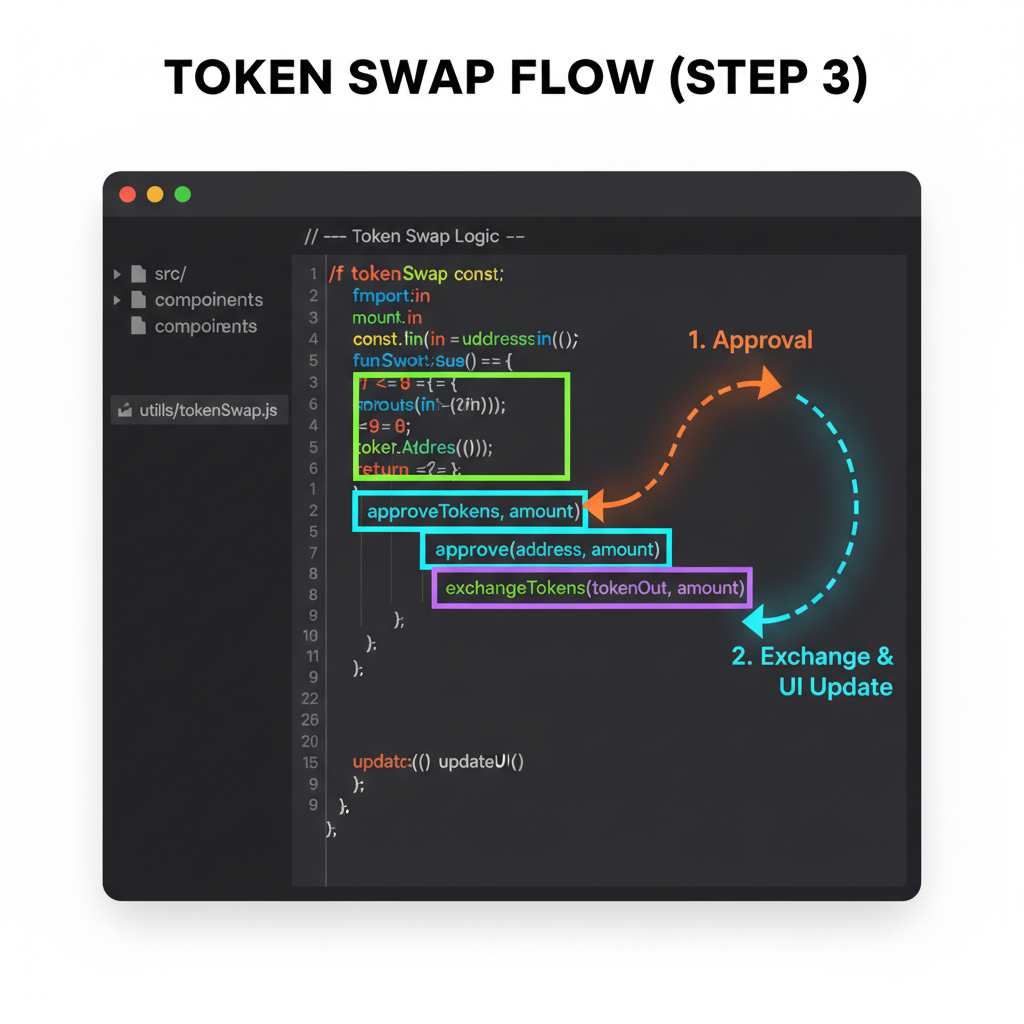



Compile with sui move build, fix any type errors fast. Move’s static checks catch 99% of bugs pre-deploy. With Sui at $0.9418 holding steady despite the minor dip, your DEX timing feels spot-on for DeFi builders chasing altcoin momentum.
Fortify Your Fortress: Security Best Practices in Move Language DeFi Tutorial
Move’s borrow checker is your shield, but layer on extras. Use capabilities like SwapCap to restrict mutations. Audit for zero-checks: no swapping dust amounts that grief the pool. Pause mechanism? Add an AdminCap for emergencies.
Tactical audits: Simulate flash loans, though Sui’s object model neuters most. Fuzz inputs with proptest in Rust tests. Common traps? Forgetting to freeze shared objects post-mint. Run sui move test exhaustively.
- Reentrancy-proof: Linear execution, no callbacks.
- Overflow-safe: Sui’s u128 math, but assert bounds.
- Oracle-free: Pure AMM, no price feeds to manipulate.
These make your sui move dex battle-tested. Reference Mysten Labs’ CoinSwap for polish.
Sui Token Swap DEX: CLI Deploy & Testnet Blitz!
Test and Launch: From Testnet Trials to Mainnet Token Swaps on Sui
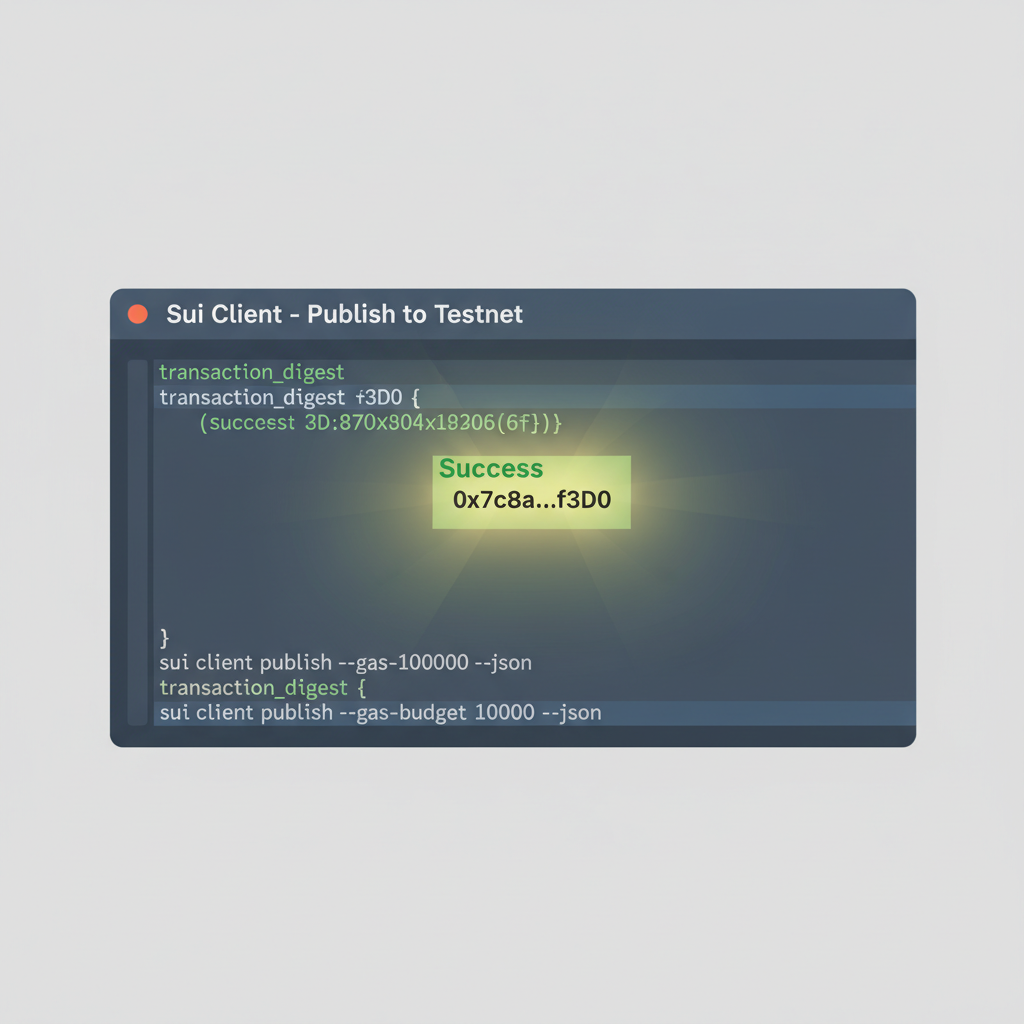
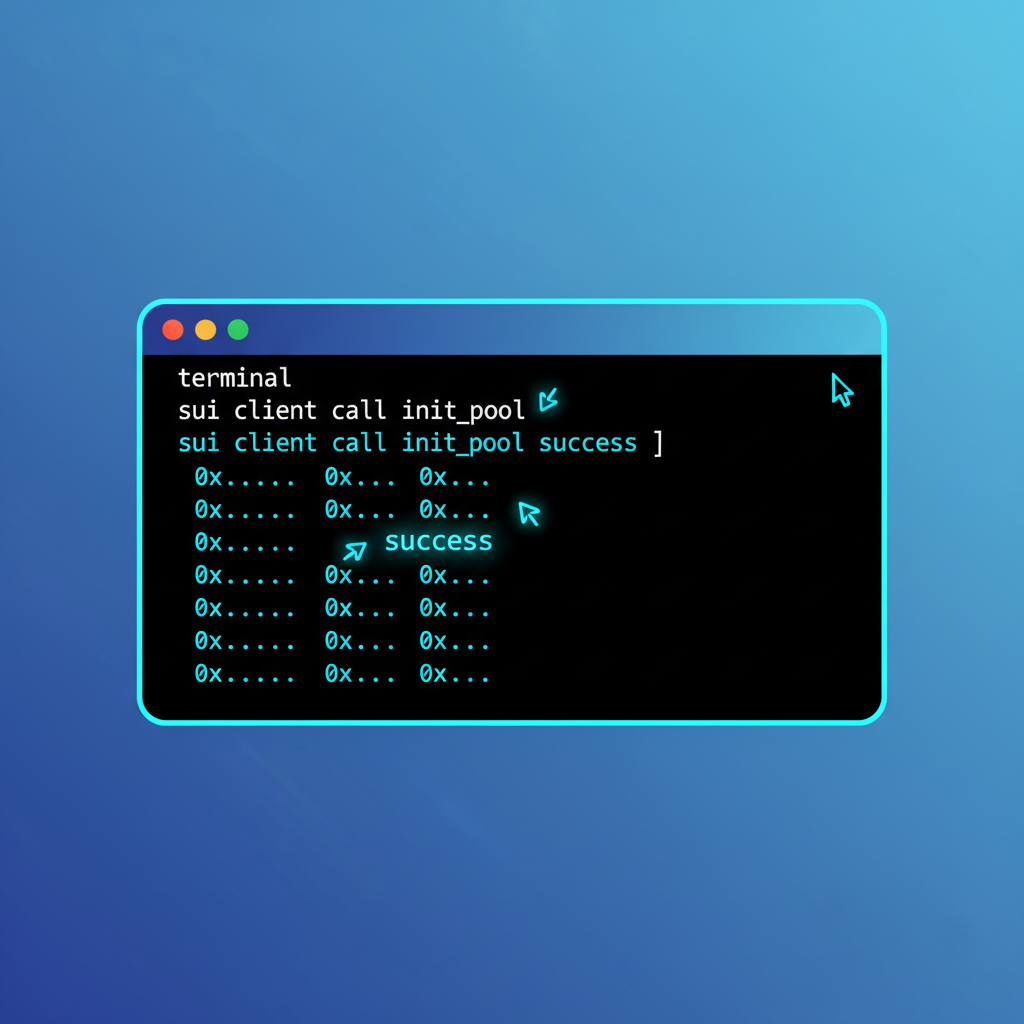
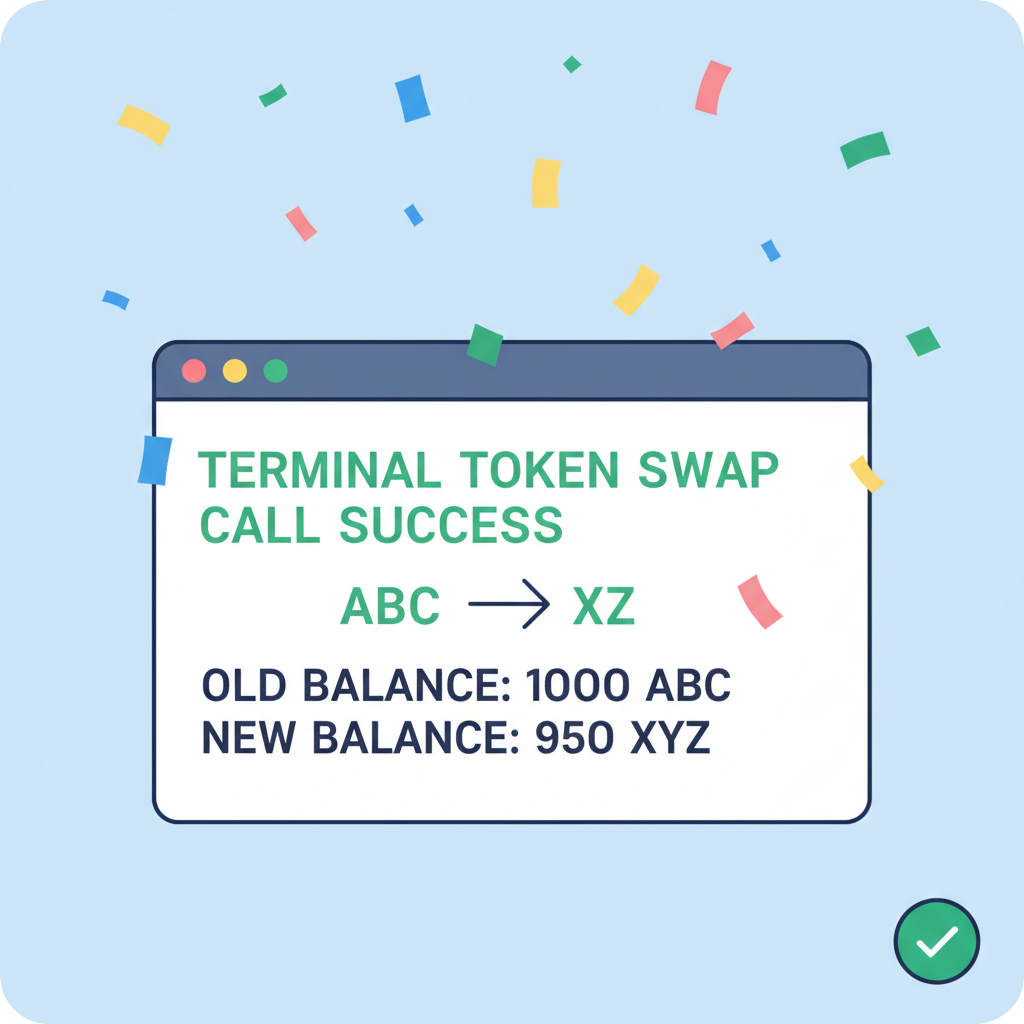
Unit tests first: Mock pools, assert post-swap reserves match formula. Integration? Publish to testnet via sui client publish --gas-budget 100000000. Fund a faucet wallet, mint test tokens, execute swaps. Watch events in explorer.
Scale to frontend: Sui TS SDK calls your entry functions. Users approve coins, invoke swap. Monitor gas: Sui’s parallel exec keeps fees under $0.01 even at peak.


Mainnet push? Double-check addresses, up gas budget. Post-deploy, index events for UI. Fees accrue? Drain via admin. Your DEX joins Cetus and DeepBook, riding Sui’s $0.9418 resilience. Tweak fees for yield farming hooks next. Swing those DeFi waves with secure, efficient build dex sui blockchain prowess.