
What is move-based programming?
Move-based programming is a resource-oriented language designed specifically for safety and correctness in smart contracts. Unlike general-purpose languages that treat data as interchangeable bits, Move treats digital assets as unique resources that cannot be copied or discarded accidentally. This approach ensures that transactions remain verifiable and secure from the moment code is deployed.
The language was created to address the fragility found in earlier blockchain environments. In traditional coding, a developer might inadvertently duplicate a token or lose track of ownership. Move enforces strict rules: every asset has a single owner, and its lifecycle is tracked explicitly. This prevents common vulnerabilities like reentrancy attacks and value duplication, which have plagued other platforms.
Move is strongly typed and focuses on simplicity. It allows developers to write programs that flexibly manage and transfer assets while providing robust protections against attacks on those assets. By making safety a core feature rather than an afterthought, move-based programming offers a more reliable foundation for decentralized applications.
Why Move was created
Move emerged from the ashes of Meta’s Diem project, formerly known as Libra. While the ambitious stablecoin initiative was halted by regulatory pressure, the underlying programming language survived. Meta’s engineers realized that adapting existing blockchain languages like Solidity introduced unnecessary risks for digital asset management. They needed a system where safety was not an afterthought but a foundational guarantee.
Traditional smart contract languages often treat resources like standard data, allowing them to be copied or discarded accidentally. This approach works for simple tokens but fails when handling high-value assets. Move was designed to solve this by treating digital assets as "resources." These objects cannot be copied or discarded unless explicitly programmed to do so. This structural constraint prevents the most common categories of smart contract bugs, such as reentrancy attacks or accidental token inflation.
The language has since evolved beyond its origins. Today, Move powers independent blockchains like Aptos and Sui, proving that its design principles are platform-agnostic. By prioritizing verifiable correctness over flexible syntax, Move provides a safer environment for developers building the next generation of decentralized finance and digital ownership protocols.
Key features of move-based programming
Move-based programming treats digital assets as first-class citizens rather than simple data structures. This architectural choice fundamentally changes how smart contracts handle value, ensuring that resources cannot be copied or discarded accidentally. By enforcing strict ownership rules at the language level, Move prevents entire classes of vulnerabilities that have plagued earlier blockchain platforms.
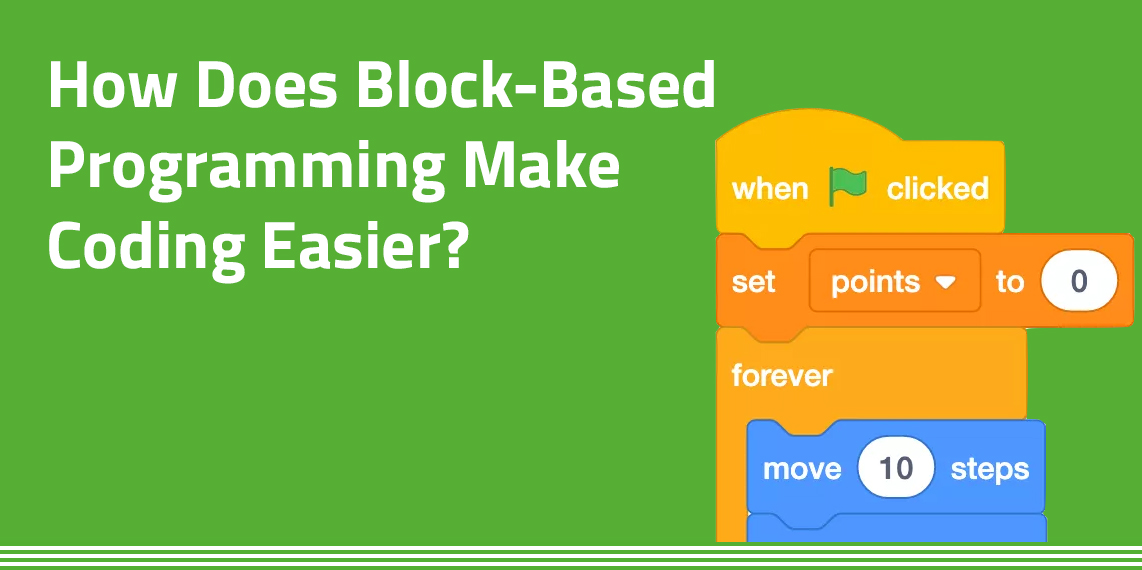
Resources in Move are unique, owned values. The language enforces rules that prevent duplication or silent deletion. When a resource is no longer needed, it must be explicitly destroyed or passed to another account. This eliminates the risk of inflation attacks where tokens could be duplicated through reentrancy or logic errors.
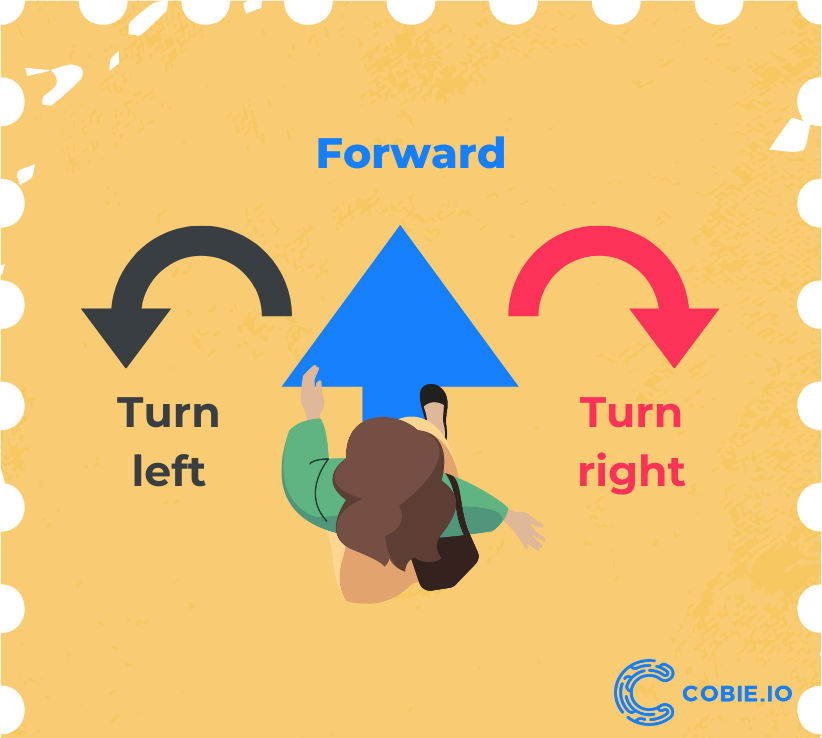
Transactions in Move are structured as explicit blocks of code that execute atomically. This means a sequence of operations either completes entirely or fails completely, leaving the blockchain state unchanged. Developers can bundle complex interactions—such as swapping assets and updating metadata—into a single, predictable unit of work.

Move introduces an object model where assets have unique identifiers and can be moved between accounts without changing their underlying structure. This allows for rich composability, enabling assets to be combined, modified, or wrapped in new contracts while maintaining their provenance and integrity.
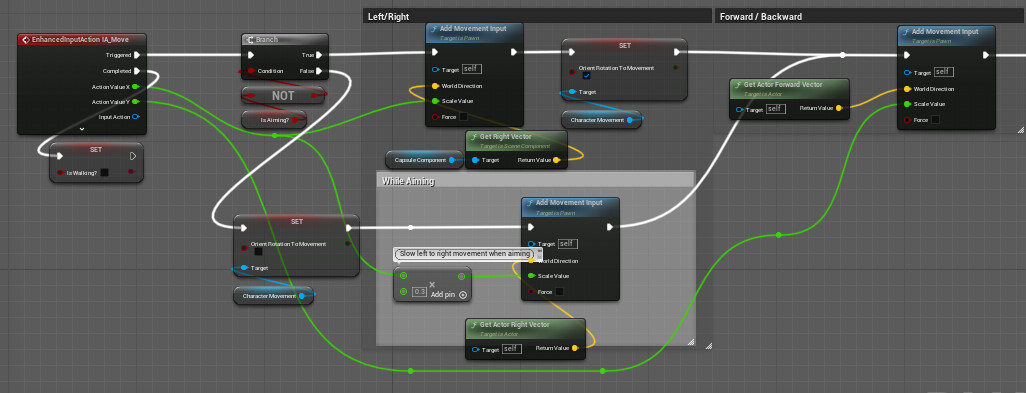
These features combine to create a development environment where safety is built into the syntax. Instead of relying on audits to catch logical flaws, the compiler itself rejects code that violates ownership rules. This shifts the burden of security from post-deployment verification to pre-deployment design, making move-based programming a robust foundation for high-value financial applications.
Move on Sui and other chains
Move has moved beyond its origins on Diem to become the foundation for high-performance blockchains like Sui. The language’s unique approach to resource management allows Sui to process transactions in parallel rather than sequentially. This architectural shift is what enables the network to handle massive throughput without sacrificing the security guarantees that define move-based programming.

The efficiency gains are significant. By treating digital assets as first-class citizens that can be moved and verified independently, Sui reduces the computational overhead typically associated with smart contract execution. This means faster finality for users and lower costs for developers, making it a practical choice for applications requiring high-frequency interactions.
Move vs. Solidity and Rust
Move was designed with a specific mandate: to prevent asset loss at the language level. Unlike Solidity, which relies on external tools and developer discipline to secure funds, Move treats digital assets as "resources." These resources cannot be copied or discarded accidentally. This fundamental difference means that if a Move smart contract has a vulnerability, the attacker often cannot even extract the funds, because the language itself forbids the transfer of resources outside their intended scope.
Rust, while powerful, offers memory safety through ownership rules that can be complex to navigate. Move simplifies this by making resource safety the default behavior. When you write in Move, you are not just writing code; you are defining immutable rules for how value moves through the system. This is particularly valuable for high-stakes financial applications where a single line of code can mean the difference between a secure transaction and a drained wallet.
The following table breaks down the structural differences that impact security and development speed.
| Feature | Move | Solidity | Rust |
|---|---|---|---|
| Asset Safety | Built-in resource model; cannot copy or drop | Requires careful coding and external audits | Ownership system; complex to master |
| Compilation | Strongly typed; fails on unsafe asset logic | Permissive; allows many unsafe patterns | Statically typed; strict memory checks |
| Transaction Model | Explicit execution; every step is verified | Implicit; relies on gas limits and reentrancy guards | Flexible; no native blockchain semantics |
| Learning Curve | Moderate; focused on blockchain concepts | Low; syntax is EVM-like | High; steep learning curve for systems programming |
Choosing the right language depends on your risk tolerance. If you are building on Ethereum, you are largely bound by Solidity’s ecosystem, but you must invest heavily in auditing. If you are building a new chain, Move offers a safer starting point by baking security into the compiler. For general-purpose blockchain development where memory safety is critical, Rust provides the most control but requires the most expertise.
Frequently asked questions about Move
Move is a blockchain programming language designed for safety and correctness. It allows developers to write programs that flexibly manage and transfer assets while providing protections against attacks. The language was created for the Diem project and is now maintained by the Move Language Foundation.
No comments yet. Be the first to share your thoughts!