
Move-Based Programming 2026 Budget
The cost of learning Move in 2026 is primarily measured in time, not tuition. Unlike traditional computer science degrees that demand years of foundational theory, Move-based programming offers a steeper but shorter learning curve for developers already comfortable with Rust or C++. The language’s strict resource model and formal verification tools mean you spend less time debugging memory leaks and more time shipping secure smart contracts.
The Skill Investment
If you are coming from a Web2 background, expect a three-to-six-month ramp-up period. The concepts of "resources" and "abilities" are unique to Move and require a shift in how you think about data ownership. However, if you already know Rust, you will find the syntax familiar. The "dread" many programmers feel about 2026’s changing landscape often stems from the fear of obsolete skills; Move is an investment in a future where asset safety is paramount.
Cost vs. Longevity
While the initial learning curve is higher, the long-term ROI is significant. Move-based blockchains like Sui and Aptos are gaining traction for their speed and security. Developers who master Move-based programming 2026 budget constraints by focusing on high-value, niche skills often command premium rates. The language is not replacing C++ for systems programming, but it is becoming the standard for high-assurance digital assets.
Who Should Invest?
- Rust Developers: Low friction. You can start building on Move within weeks.
- Web2 Developers: High friction. Requires unlearning mutable state habits.
- Students: High value. Move is becoming a key differentiator in the job market.
The decision to learn Move should be driven by your interest in blockchain infrastructure. It is not a general-purpose language for building websites, but it is a critical tool for the next generation of decentralized applications.
Compare Move-Based Programming Options in 2026
The Move programming language has moved from a niche experiment to a foundational layer for high-throughput blockchains. In 2026, the ecosystem is dominated by two primary implementations: Sui and Aptos. Both leverage the Move language’s resource-oriented model to solve the scalability and safety issues that plagued earlier smart contract platforms. Choosing between them depends on whether you prioritize linear transaction parallelism or a more traditional, EVM-compatible developer experience.
The following table compares the core technical distinctions between the two leading Move-based blockchains. This comparison focuses on architectural differences that directly impact development velocity, transaction finality, and ecosystem maturity.
| Feature | Sui | Aptos | Why It Matters |
|---|---|---|---|
| Consensus Model | Narwhal & Bullshark (DAG-based) | PoS + BFT (Linear) | Sui’s DAG approach allows for higher parallelism, while Aptos prioritizes simpler, linear finality. |
| Object Model | First-class Objects | Resources | Sui treats assets as independent objects that can be moved without transactions, enabling unique NFTs and gaming items. |
| EVM Compatibility | Sui Move (Native) | Aptos EVM (Sponsored) | Aptos offers a familiar Ethereum-like environment for existing Solidity developers, lowering the barrier to entry. |
| Transaction Finality | Sub-second | ~4 seconds | Sui’s parallel execution model delivers faster user-facing responses, critical for real-time applications. |
| Primary Use Cases | Gaming, NFTs, High-Frequency Trading | DeFi, General-Purpose Smart Contracts | Sui is built for asset-heavy applications; Aptos is built for complex financial logic and broad compatibility. |
Tradeoffs by Use Case
For Gaming and Digital Collectibles Sui’s first-class object model is the clear winner. In Sui, an item in a game or an NFT is an independent object that can be transferred or updated without requiring a full transaction state change. This reduces gas costs and latency significantly. If your application relies on frequent, small interactions with user-owned assets, Sui’s architecture prevents the bottlenecks common in linear blockchains.
For DeFi and Enterprise Integration Aptos offers a more traditional smart contract environment that closely mirrors Ethereum’s model. Its EVM compatibility means that Solidity developers can port existing codebases with minimal friction. For decentralized finance protocols that require complex, multi-step transactions with strict linear ordering, Aptos’s BFT consensus provides a stable, predictable environment that many institutional developers prefer.
Which Move Chain Should You Choose?
The decision comes down to your application’s interaction pattern. If you are building a game, a marketplace, or any application where users frequently move discrete items, choose Sui. Its parallel execution engine is designed specifically for this workload. If you are building a financial protocol, a DAO, or an application that benefits from existing Ethereum tooling and developer pools, Aptos provides a smoother onboarding path. Both platforms are actively growing, but they serve different halves of the Web3 development spectrum.
Inspection checklist for move-based programming
Move-based programming shifts UX from static layouts to dynamic, gesture-driven interactions. This shift introduces specific failure points that are expensive to fix once deployed. Before shipping, inspect these four areas to avoid costly rewrites and poor user experiences.
Spatial interfaces often overlap gestures (e.g., swipe vs. pinch). Test edge cases where two gestures trigger simultaneously. If the system doesn’t prioritize one, users will experience erratic behavior. Document the precedence rules clearly in your design system.

Elements that float or follow the cursor can drift if spatial anchors aren’t fixed to stable world coordinates. Inspect how UI elements behave during rapid camera movement or device reorientation. Unstable anchoring causes motion sickness and disorientation.
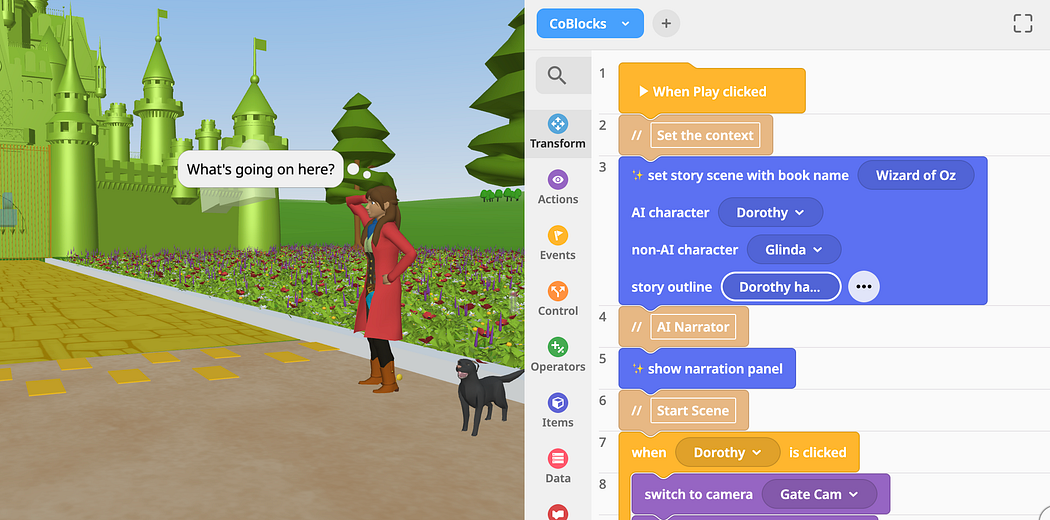
Move-based interactions require low-latency rendering to feel responsive. Measure frame times during complex animations or when multiple users interact with the same space. High latency breaks the illusion of physical presence and reduces trust in the interface.
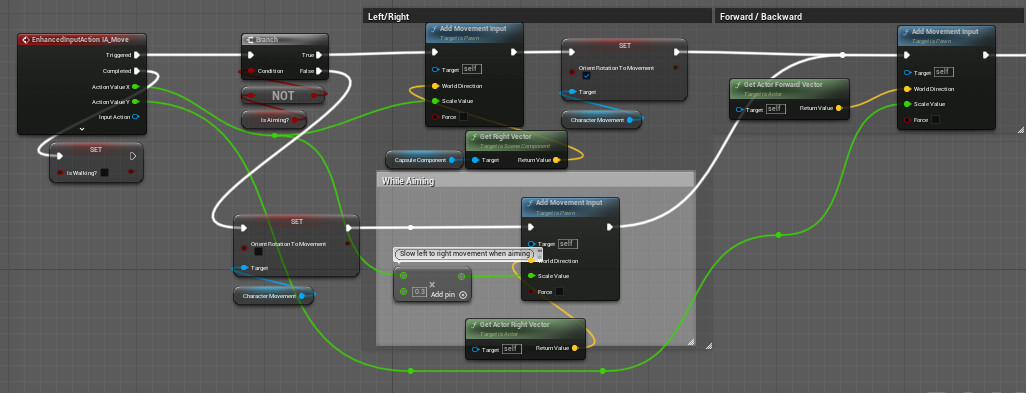
Not all users can perform precise spatial gestures. Ensure critical functions are accessible via voice, gaze, or traditional input methods. A move-based UI that excludes users with motor impairments is a failed design, regardless of its visual appeal.
These checks prevent the most common pitfalls in spatial UX. By addressing them early, you save significant development time and ensure a smoother user experience.
Plan for ownership costs
A cheap initial license is rarely the final price tag. With Move-based programming, the real costs emerge during maintenance, security audits, and scaling. You are not just buying code; you are buying the ongoing responsibility to keep that code secure and compatible with evolving blockchain standards.
The hidden cost of security audits
Move’s primary advantage is safety, but safety requires verification. Every significant update to your smart contracts demands a fresh audit. These are not optional checks; they are insurance against total loss. A basic audit can cost thousands, while a comprehensive review of complex DeFi logic often runs into the tens of thousands. Factor this into your annual budget from day one, not after deployment.
Maintenance and upgrade cycles
Unlike static web pages, smart contracts on Move-based chains often require upgrades or migration strategies as the network evolves. This involves:
- Developer retention: Move is a specialized language. Finding developers who understand its resource-oriented model is harder and more expensive than finding generalist web developers.
- Testing infrastructure: You need robust testing environments that mirror mainnet conditions. Setting up and maintaining this infrastructure adds to your operational overhead.
- Gas optimization: As your user base grows, inefficient code burns more gas. Refactoring for efficiency is a recurring task, not a one-time fix.
When a cheap buy stops being cheap
Consider a scenario where you choose a less secure, cheaper framework to save on initial development. You might save $5,000 upfront. But if that framework lacks Move’s safety guarantees, a single vulnerability could drain your treasury. The cost of a hack far exceeds the cost of a proper audit and secure development. In 2026, as spatial AI integrates more deeply with blockchain, the complexity of your applications will only increase, making robust initial planning essential.

As an Amazon Associate, we may earn from qualifying purchases.
The decision isn't just about what you can afford today. It's about what you can afford to fix tomorrow. Prioritize security and maintainability over short-term savings.
Move-based programming 2026: what to check next
As spatial AI and move-based programming reshape the industry, developers are asking how these shifts impact career longevity and technical choices. The transition isn't just about syntax; it's about rethinking how software interacts with physical space. Here are the practical answers to the most common questions driving 2026 discussions.
Which programming language is most in demand in 2026?
Python and TypeScript remain the highest-demand languages overall, but Move is the fastest-growing niche for spatial and Web3 infrastructure. Its object-centric model enables parallel execution and sub-second finality, making it essential for high-throughput applications. While generalist roles favor Python for data and AI, specialized roles in spatial computing increasingly require Move for secure, composable logic.
Is programming still worth it in 2026?
Yes, but the value proposition has shifted from writing boilerplate to architecting systems. AI tools handle routine code generation, so developers who understand underlying principles—like Move’s resource safety or spatial data structures—are more valuable. The "dread" some feel is real, but it’s also a signal to upskill toward high-complexity, low-automation tasks that AI cannot yet solve reliably.
What language is replacing C++?
No single language is fully replacing C++, but Rust and Move are taking over specific domains. Rust is dominating systems programming where memory safety is critical without garbage collection. Move is replacing C++ in blockchain and spatial asset management because its ownership model prevents entire classes of bugs by design. For legacy enterprise systems, C++ remains, but new projects in secure, parallelized environments are choosing Move or Rust.
What programming language is worth learning in 2026?
Learn Move if you want to specialize in spatial AI, Web3, or high-performance smart contracts. Its unique approach to resource ownership is becoming a standard for secure, scalable applications. For broader applicability, Rust remains a strong choice for systems work, while Python continues to be the gateway for AI and data science. The best choice depends on whether you prioritize generalist flexibility or specialized, high-value infrastructure roles.
No comments yet. Be the first to share your thoughts!