
The real cost of learning Move
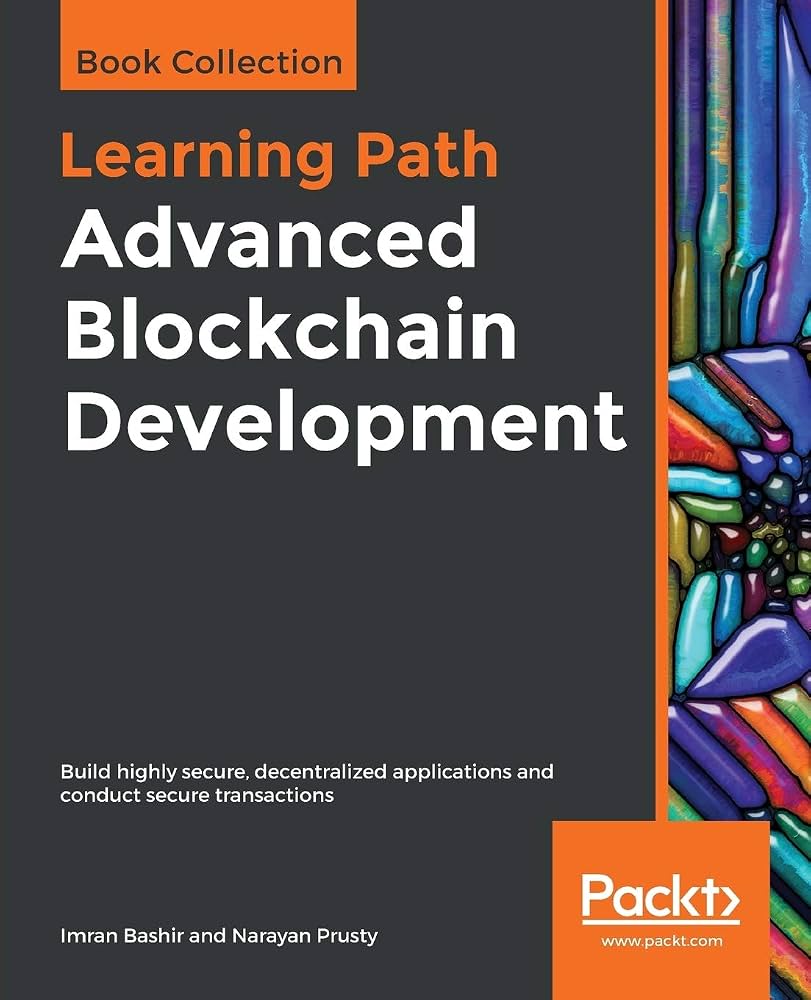
Move-based programming is shifting from academic curiosity to enterprise standard, but the barrier to entry remains high. Unlike Python or JavaScript, where you can spin up a script in minutes, Move requires a mental shift toward resource-oriented logic. You aren't just writing functions; you're managing unique assets that cannot be copied or discarded silently. This precision prevents the accidental token burns that plague other smart contract languages, but it demands rigorous testing and a deeper understanding of the underlying blockchain state.
For developers, the "budget" isn't just about cloud hosting fees—it's about time-to-market. Traditional monoliths are easier to hire for; Move talent is scarce and commands premium rates. However, the long-term maintenance cost drops significantly because the language enforces safety at compile time. You spend more weeks building correctly, but you spend zero weeks fixing subtle race conditions or reentrancy bugs later.
The tradeoff is clear: high initial complexity for low operational risk. If you are building a high-value DeFi protocol or a secure NFT marketplace, Move's strict ownership model pays for itself. For simple data logging or basic web apps, the overhead is unjustified. Choose Move when the assets are valuable enough that a single bug could bankrupt your users.

As an Amazon Associate, we may earn from qualifying purchases.
Shortlist real options
Use this section to make the The Move-Based Programming Revolution decision easier to compare in real life, not just on paper. Start with the reader's actual constraint, then separate must-have requirements from details that are merely nice to have. A practical choice should survive normal use, maintenance, timing, and budget. If a recommendation only works in an ideal situation, call that out plainly and give the reader a fallback path.
| Factor | What to check | Why it matters |
|---|---|---|
| Fit | Match the option to the primary use case. | A good deal still fails if it does not fit the job. |
| Condition | Verify age, wear, and service history. | Hidden condition issues erase upfront savings. |
| Cost | Compare purchase price with likely upkeep. | The cheapest option is not always the lowest-cost option. |
Inspect the expensive parts
When you shift from a traditional monolith to move-based programming, the architecture changes. You are no longer managing a single, massive codebase. Instead, you are managing independent modules that can be executed in parallel. This parallelism is powerful, but it introduces new failure points that can drain your budget if you do not check them.
Think of your smart contract as a high-performance engine. If you ignore the cooling system, the engine will overheat and seize. In move-based systems, the "cooling system" is resource management. You need to inspect the following expensive areas before you deploy.

Move languages enforce strict resource limits to prevent infinite loops. If your logic does not properly bound its iterations, the transaction will fail. This is not a bug; it is a safety feature. Check your loops to ensure they cannot run indefinitely. An infinite loop wastes gas and blocks the network. Always set a maximum iteration count that fits within your block limit.
Storing data on-chain is expensive. Every byte you store costs money. In a monolith, you might store large objects in memory. In move, you must store them on the ledger. Review your data structures. Remove any fields that are not strictly necessary. Use compact types to save space. Small storage changes can have a large impact on your total cost over time.
Move uses a capability-based security model. This means you must explicitly grant access to resources. If you grant too much access, you risk a security breach. If you grant too little, your contract will fail. Inspect your access keywords. Ensure that only the necessary functions can modify sensitive data. This prevents accidental or malicious changes to your core logic.
By focusing on these three areas, you can avoid the most common and costly mistakes. Move-based programming is efficient, but it requires discipline. Take the time to inspect these parts now, and you will save yourself a lot of trouble later.
Plan for ownership costs
A cheap buy often becomes expensive when maintenance costs are ignored. The initial price tag is only half the equation. The other half is the hidden cost of ownership, which includes updates, support, and the effort required to keep the system running.
When a project stops being cheap, it is usually because the overhead of maintenance outweighs the savings of the initial purchase. This is especially true for complex systems that require constant attention. A low-cost solution that demands hours of manual patching is rarely a good deal.
To avoid these surprises, evaluate the total cost of ownership before committing. Look for solutions that offer long-term support and clear documentation. This helps ensure that the initial savings do not disappear in the long run.


As an Amazon Associate, we may earn from qualifying purchases.
Move-based programming: what to check next
Before committing to an event-driven architecture built on Move, it helps to clear up the practical objections that come up during code reviews and migration planning. This section addresses the most common questions developers and architects ask when evaluating Move for smart contract development and broader event-driven systems.
No comments yet. Be the first to share your thoughts!