
Defining move-based programming 2026
Move-based programming in 2026 refers to a development paradigm where physical gestures, interpreted by AI motion capture systems, replace traditional keyboard and mouse interfaces. This approach allows developers to construct, modify, and debug software environments through natural body movements rather than typing commands or clicking icons.
It is essential to distinguish this concept from the blockchain language "Move," which is an unrelated resource-oriented programming language. In the context of 2026 software development, "move-based" specifically denotes the shift toward gesture-driven interaction. AI models analyze skeletal data and hand positions in real-time, translating these physical inputs into code structures, UI adjustments, and system controls.
This paradigm shift reduces the cognitive load associated with syntax memorization and repetitive typing. By treating the body as the primary input device, developers can interact with complex codebases more intuitively. The AI acts as a translator, converting physical intent into executable logic, thereby streamlining the workflow and reducing the friction between thought and implementation.
How AI motion capture drives development
Move-based programming 2026 relies on a continuous pipeline that translates physical gestures into executable code. Instead of typing syntax, developers use hand movements, body posture, or eye-tracking to define logic flows. The system captures this input through high-frequency sensors, filters out noise, and maps the trajectory to specific programming constructs.
The core mechanism involves a multi-stage translation process. First, raw sensor data is converted into skeletal keyframes. A machine learning model then identifies the intent behind the movement—whether it is a swipe to delete, a pinch to zoom, or a complex hand sign to trigger a function. Finally, the AI generates the corresponding code snippet or UI interaction event.
This approach shifts the developer's role from syntax editor to intent architect. The AI handles the translation of physical motion into digital commands, allowing for rapid prototyping of user interfaces. By focusing on the 'what' rather than the 'how,' developers can iterate on UI/UX designs at a pace that traditional coding cannot match.
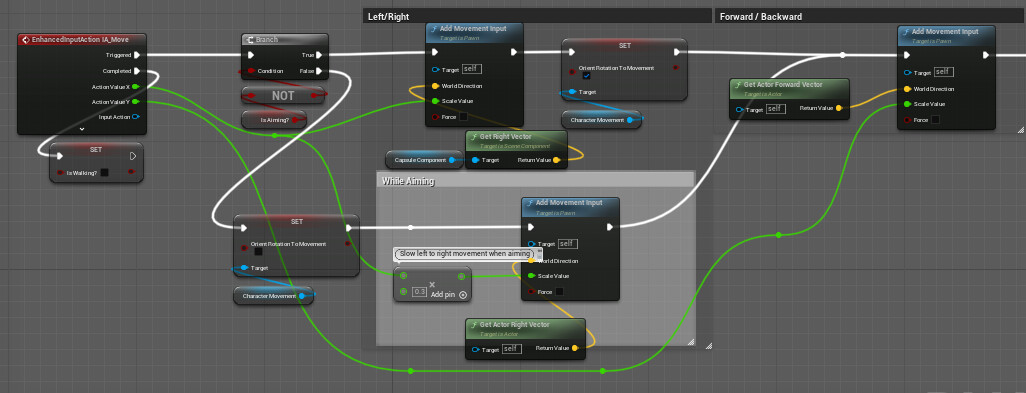
The efficiency comes from the AI's ability to learn context. As you perform gestures, the model refines its understanding of your specific workflow. It distinguishes between accidental movements and deliberate commands, ensuring that the generated code remains clean and functional. This partnership between human intuition and machine precision defines the new standard in software creation.
Gesture-based coding tools in practice
Move-based programming 2026 is no longer a theoretical concept. It is actively reshaping how developers interact with code through physical input. Platforms like CodeMotion and Gestur have moved beyond experimental prototypes to become viable alternatives to traditional keyboard-driven workflows.
CodeMotion
CodeMotion translates hand gestures into syntax. Users can "draw" loops or "pinch" to select code blocks. This reduces context-switching and keeps the developer in a flow state. The tool is particularly effective for rapid prototyping where speed matters more than precision.
Gestur
Gestur focuses on spatial computing integration. It allows developers to manipulate 3D code structures and data visualizations using hand movements. This is ideal for VR/AR development, where traditional UIs feel restrictive. The learning curve is steeper, but the output fidelity for spatial applications is unmatched.
Comparison: Traditional UI vs. Move-Based Programming
| Metric | Traditional UI (Keyboard/Mouse) | Move-Based Programming (2026) |
|---|---|---|
| Learning Curve | High (syntax memorization) | Moderate (physical mapping) |
| Iteration Speed | Fast for text, slow for layout | Fast for layout, variable for text |
| Output Fidelity | High precision | Context-dependent |
The shift isn't just about novelty. It's about reducing cognitive load. By offloading syntax memory to physical gestures, developers can focus on logic and architecture. As AI models become better at interpreting intent, these tools will only become more accurate.
Spatial computing trends 2026
Move-based programming 2026 is no longer a niche experiment; it is the dominant interaction model for spatial computing. As headsets like the Apple Vision Pro and Meta Quest 3 mature, the friction of traditional input devices has become a bottleneck. Developers are shifting from keyboard shortcuts and mouse clicks to natural hand gestures and eye tracking, creating interfaces that feel less like software and more like physical objects.
This shift is driven by the convergence of AI motion capture and low-latency display technology. In 2026, the expectation is that code should respond to intent, not just commands. This trend aligns with broader coding movements that blend AI assistance with system design, pushing developers to think in three dimensions rather than two. The result is a more intuitive workflow where the boundary between the programmer and the product dissolves.
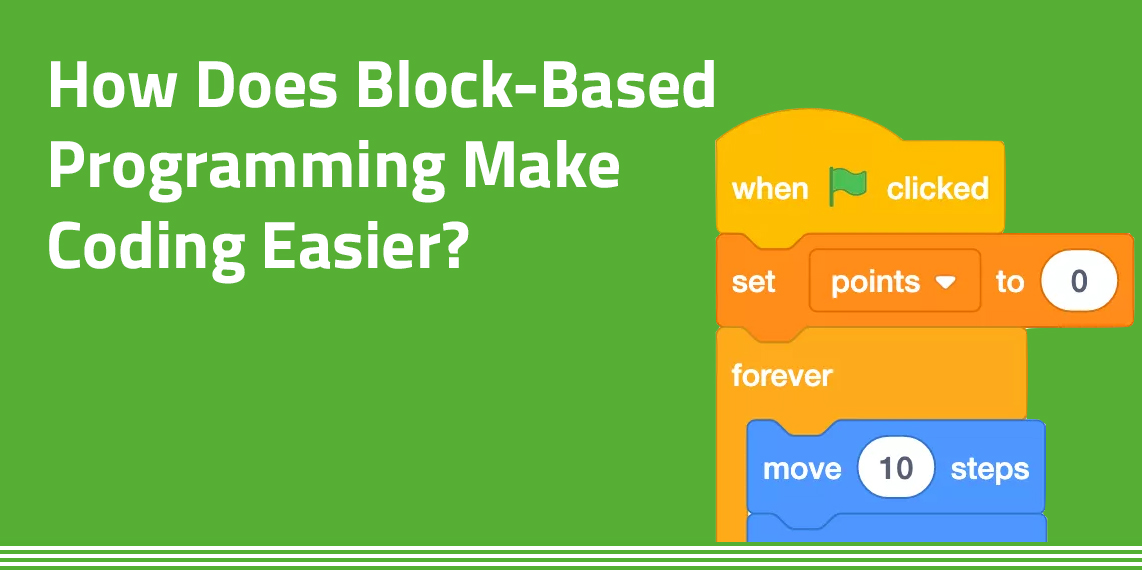
The community response reflects this urgency. Discussions on developer forums highlight a rapid adoption of gesture-based APIs, with many noting that traditional UI paradigms feel clunky in mixed reality environments. This isn't just about novelty; it's about efficiency. When the interface disappears, the focus returns to the logic and the user experience.
The friction points of move-based programming 2026
Move-based programming 2026 promises a more intuitive interface, but the transition from traditional UI is far from frictionless. Developers are accustomed to the tactile certainty of a keyboard and mouse. Swapping physical keys for air gestures introduces a layer of ambiguity that can slow down complex workflows.
The primary hurdle is accuracy. Current motion capture tools, while improving, still struggle with precision in dynamic environments. A slight hand tremor or a change in lighting can be interpreted as a command, leading to unintended actions. For code that demands exact syntax and structure, this lack of fidelity is a significant barrier to adoption.
Accessibility remains a critical gap. Many existing gesture-based systems are designed for users with full mobility, excluding those with limited hand movement or tremors. Until these tools are built with inclusive design at their core, they will remain niche experiments rather than industry standards.
The learning curve is steep for those who have spent years mastering traditional shortcuts. Relearning muscle memory requires time and patience, resources that many teams are unwilling to invest without immediate, tangible returns. The shift is not just about new tools; it is about rethinking how we interact with the machine.
The Next Phase of Move-Based Programming 2026
Move-based programming 2026 marks a distinct shift from interface construction to motion design. Traditional UI development relied on static layouts and rigid component trees. This new paradigm treats user interaction as a fluid sequence of gestures, allowing developers to define behavior through movement rather than code-heavy event listeners. The result is a more intuitive and responsive user experience that feels natural to the human hand.
The industry is moving toward a model where AI handles the translation of physical gestures into functional logic. Developers are no longer fighting against the limitations of touchscreens or mouse inputs. Instead, they are partnering with AI to create interfaces that adapt to how people actually move. This partnership reduces development time and allows for more creative freedom in designing complex interactions.
As we look beyond 2026, the focus will remain on refining this synergy between human motion and artificial intelligence. The goal is to make software feel less like a tool and more like an extension of the user's intent. This evolution promises to eliminate many of the friction points that have long plagued digital experiences.
No comments yet. Be the first to share your thoughts!