
The End of High-Impact HIIT
Traditional high-intensity interval training (HIIT) has long been the gold standard for burning calories quickly. But the cost of that speed is often paid in joint wear and mental fatigue. The repetitive, explosive movements that define classic HIIT—burpees, box jumps, and sprints—place significant stress on connective tissues and spike cortisol levels. Over time, this leads to overuse injuries and a cycle of burnout that keeps many people from staying consistent with their fitness goals.
Move-based programming offers a different path. Instead of maximizing intensity through impact, it focuses on fluid, continuous motion. This approach maintains elevated heart rates through dynamic, low-impact exercises that prioritize form and control. By removing the jarring stops and starts, you can achieve sustainable intensity without the physical toll.
This shift reflects a broader evolution in fitness: moving from short-term gains to long-term health. The goal is no longer just to survive a workout, but to build a practice you can maintain for decades. Move-based training allows for progressive overload and cardiovascular benefit while respecting the body’s structural limits.
What Is Move-Based Programming
Move-based programming is a fitness methodology that replaces repetitive, high-impact intervals with natural, multi-planar movements. Instead of running sprints or jumping box-to-box, you engage in fluid sequences that challenge balance, coordination, and strength simultaneously. The goal remains the same as traditional HIIT: elevate your heart rate and burn calories. The method, however, prioritizes joint preservation and sustainable intensity over sheer impact.
This approach treats the body as an integrated kinetic chain rather than a collection of isolated muscles. A single movement might involve a rotational lunge combined with an overhead reach, forcing your core, hips, and shoulders to work in unison. This complexity mimics real-world physical demands, making the exercise feel less like a drill and more like functional activity. By removing the pounding on hard surfaces, you can sustain higher effort levels for longer periods without the wear-and-tear associated with traditional impact cardio.
The result is a workout that feels effortless yet demanding. You are not counting reps; you are navigating a path of motion. This shift allows for a consistent, low-impact cardiovascular stimulus that supports long-term athletic longevity. It is less about pushing through pain and more about moving with precision and control.
Key Features of Move-Based Training
Move-based programming represents a fundamental shift in how we approach physical conditioning, moving away from the high-impact, stop-start nature of traditional HIIT. Instead of relying on explosive bursts that stress the joints, this method emphasizes continuous, fluid motion. The goal is to build a sustainable practice that enhances functional strength without the recovery penalties often associated with intense interval training.
Think of traditional HIIT as a series of sprints with hard stops, while move-based training is like swimming laps. The resistance is constant, the motion is rhythmic, and the body stays in a state of active recovery throughout the session. This approach reduces cortisol spikes and allows for higher frequency training, making it easier to stick with long-term. It is less about pushing to failure and more about maintaining form and flow.
The mechanics rely on low-impact movements that engage multiple muscle groups simultaneously. By keeping the feet light and the joints mobile, you build endurance and stability without the pounding on cartilage. This makes it accessible for a wider range of fitness levels and ages, focusing on longevity rather than short-term intensity.
To understand the difference, consider how each method handles impact and recovery. Traditional HIIT often requires days of rest to repair micro-tears, whereas move-based training promotes active recovery through gentle movement. This distinction is critical for those looking to maintain a consistent exercise routine without burnout.
| Feature | Traditional HIIT | Move-Based Training |
|---|---|---|
| Impact Level | High (jarring) | Low (fluid) |
| Recovery Time | 24-48 hours | Minimal |
| Joint Stress | High | Low |
| Sustainability | Difficult for long-term | High adherence |
| Primary Benefit | Max VO2 max | Functional strength |
Top move-based exercises for 2026
The shift toward move-based programming in fitness isn't about adding more equipment or increasing intensity. It is about rethinking how the body moves through space with fluidity and control. These exercises replace the stop-and-go nature of traditional HIIT with continuous, low-impact flows that are sustainable for long-term health.
Here are four core movements that define this 2026 approach to functional fitness.
1. The Animal Crawl
Animal crawls, such as the bear crawl or crab walk, build full-body coordination without jarring the joints. By keeping the hands and feet close to the ground, you engage the core and shoulders while maintaining a steady, rhythmic pace. This movement teaches the body to move as a single unit, improving stability and balance in a way that static stretches cannot.
2. Flowing Squats
Instead of holding a squat for time or jumping up explosively, flowing squats involve a continuous descent and rise, often incorporating a twist or reach. This technique maintains tension in the legs and glutes while allowing the cardiovascular system to stay in a sustainable zone. It is a low-impact way to build lower-body strength and mobility simultaneously.
3. Dynamic Lunges with Rotation
Dynamic lunges add a rotational element to the traditional lunge, engaging the obliques and hips. The key is to keep the movement smooth and controlled, avoiding any sudden stops. This mimics real-world movements like turning to look behind you while walking, making the exercise both functional and practical for daily life.
4. Fluid Arm Circles and Swings
Upper body movement in move-based programming focuses on range of motion rather than heavy resistance. Large, circular arm swings or fluid punches help open up the shoulder joints and improve posture. These movements are gentle on the rotator cuff while still providing a meaningful workout for the upper body, making them ideal for recovery days or warm-ups.
How to Build a Move-Based Routine
Transitioning from traditional HIIT to move-based programming is less about adding new exercises and more about changing how you structure your movement. The goal is to create a routine that feels sustainable and low-impact, allowing your body to adapt without the stress of constant high-intensity bursts. This approach prioritizes fluidity and control, turning your weekly schedule into a practice of continuous, mindful motion rather than a series of isolated, exhausting sprints.
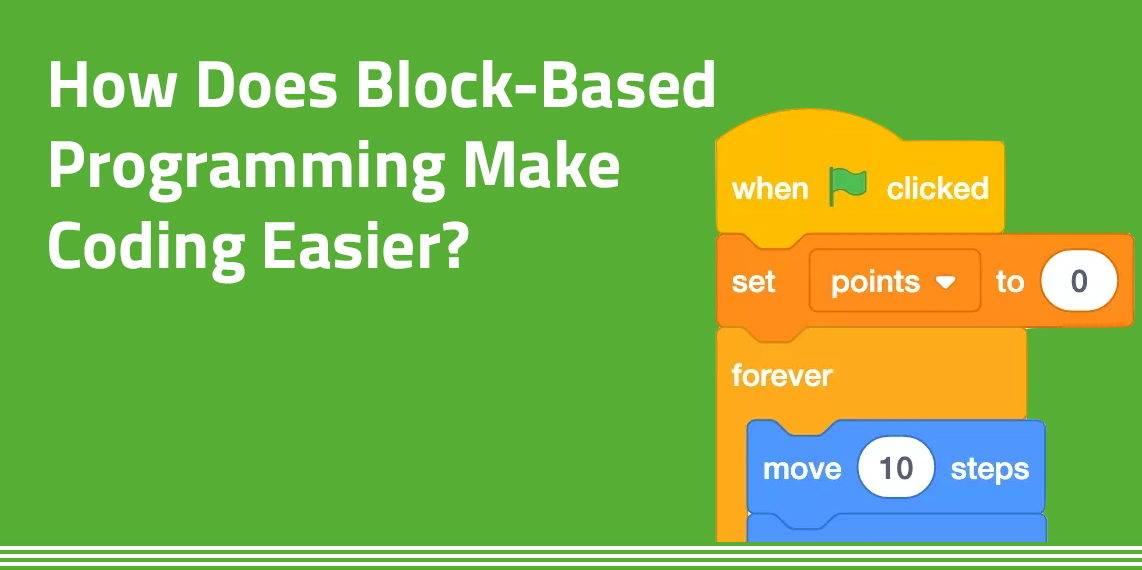
To start, think of your routine as a modular system. Just as developers build software in reusable components, you can build your fitness routine from small, manageable movement blocks. This method reduces the mental barrier to entry and makes it easier to stick with the practice over time. You are not aiming for perfection in a single session; you are aiming for consistency in a broader pattern.
Pick one fundamental movement, such as a squat, lunge, or hinge. Master the form at a slow, controlled pace. This becomes your primary "module" that you will repeat and vary throughout your session. Focus on breathing and alignment rather than speed.
Connect your base movement to a second pattern using a smooth transition. For example, move from a squat into a lunge without stopping. The emphasis here is on the path between the two positions, not the positions themselves. This builds coordination and reduces joint stress.
Chain three to five movements together into a short sequence. Treat this like a mini-routine that you can repeat. Keep the tempo slow and deliberate. This sequence becomes your "program" for the day, allowing you to focus on quality over quantity.
Instead of stopping completely between sets, use active recovery. Walk, stretch, or perform gentle mobility drills. This keeps your heart rate in a sustainable zone and reinforces the low-impact nature of the practice. Rest is not a failure; it is part of the routine.

At the end of each week, reflect on how your body felt. Did the transitions feel smooth? Was the intensity manageable? Adjust the sequence by swapping out movements or changing the tempo. This iterative process ensures your routine evolves with your fitness level.
By following these steps, you build a move-based routine that is both effective and enjoyable. The focus shifts from pushing your limits to understanding your body’s capabilities. This sustainable approach not only improves your fitness but also fosters a deeper connection with movement, making it a lasting part of your lifestyle.
Frequently asked: what to check next
The shift from traditional High-Intensity Interval Training (HIIT) to move-based programming represents a significant evolution in fitness philosophy. While HIIT has long been the gold standard for calorie burning, it often comes with high injury risks and steep recovery demands. Move-based programming prioritizes continuous, sustainable motion that builds cardiovascular health without the joint stress associated with explosive, stop-start intervals.
Is move-based programming as effective for fat loss as HIIT?
Yes, it can be. When intensity is maintained through continuous motion rather than static rest periods, move-based training keeps the heart rate in the optimal zone for fat oxidation. Unlike traditional HIIT, which relies on short bursts of maximal effort followed by rest, this approach sustains metabolic demand over a longer duration, offering a more efficient path to sustainable fat loss.
Can beginners do move-based training?
Absolutely. One of the primary advantages of move-based programming is its accessibility. You can start with low-impact flows that emphasize rhythm and coordination rather than power. This allows beginners to build a fitness foundation without the intimidation or physical toll of high-impact jumps and sprints, making it a safer entry point for long-term health.
Does this method require special equipment?
No specialized equipment is needed. Move-based programming relies on bodyweight mechanics and spatial awareness. Whether you are practicing yoga flows, martial arts movements, or dance-inspired cardio, the focus is on how you move your body through space. This makes it easy to integrate into any home workout routine or travel schedule.
No comments yet. Be the first to share your thoughts!