
Move-based programming in 2026
Move-based programming in 2026 represents a fundamental shift from traditional motion capture workflows. Instead of recording human movement to drive digital characters, developers now write code that defines movement directly. This approach treats motion as a logical sequence rather than a physical artifact, allowing for precise, deterministic behavior in simulations and games.
The language underlying this shift, simply called Move, was designed for security and composability. Originally created for the Diem blockchain, its features for resource management and verified logic have been adapted for high-fidelity animation systems. Developers can now compose complex animations from modular, verified components, reducing the bugs common in legacy motion-capture pipelines.
This transition does not make programming obsolete; it refines it. As industry discussions in 2026 suggest, coding remains essential, but the focus has moved from recording data to defining rules. By treating movement as code, studios can achieve scalable, reusable animation systems that adapt dynamically to game states, rather than relying on static, pre-recorded clips.
Move-based programming 2026 choices that change the plan
Choosing a smart contract language in 2026 requires weighing security guarantees against developer velocity. Move-based programming, originally designed for the Diem blockchain and now powering networks like Sui, offers distinct advantages over legacy options like Solidity. The core tradeoff lies in its resource model: Move treats digital assets as first-class citizens that cannot be copied or discarded implicitly. This design eliminates entire classes of bugs common in other ecosystems but demands a different mental model for developers.
When evaluating move-based programming for your next project, consider these concrete factors:
| Feature | Move | Solidity | Rust (Solana) |
|---|---|---|---|
| Resource Model | Explicit ownership; no copying | State variables; copyable | Ownership system; complex |
| Security Focus | Compile-time verification | Post-deployment audits | Memory safety guarantees |
| Learning Curve | Moderate; new concepts | Low; EVM familiarity | High; systems programming |
| Composability | Rich object composition | Interface-based | Trait-based systems |
Security and Verification Move’s primary advantage is its approach to safety. By enforcing strict ownership rules at the compiler level, it prevents common vulnerabilities like reentrancy attacks without requiring complex external audits. This makes it ideal for high-value financial applications where trust is paramount. However, this safety comes at the cost of flexibility; simple logic can become verbose compared to more permissive languages.
Developer Experience and Ecosystem The ecosystem for Move is growing rapidly, particularly with the rise of Sui. While Solidity benefits from a massive existing library of tools and developer talent, Move’s tooling is more specialized. Developers familiar with Rust may find the transition smoother, but those new to blockchain might face a steeper initial learning curve. The tradeoff is between immediate availability of talent and long-term code reliability.
Performance and Scalability Move-based chains often leverage parallel execution, allowing transactions to process simultaneously if they don’t conflict. This contrasts with Ethereum’s sequential processing, which can lead to congestion. For applications requiring high throughput, Move offers a significant performance edge. However, this requires careful design of resource access patterns to maximize parallelism, adding complexity to the development process.
Choose the next step: Turn the research into a practical decision framework.
The shift toward AI-driven, move-based programming isn't just about automation; it's about shifting from writing low-level instructions to defining high-level behavior. As AI models become better at interpreting natural language and visual cues, the role of the developer changes from "coder" to "architect of intent." This section breaks down the practical steps to evaluate whether this transition fits your current workflow.
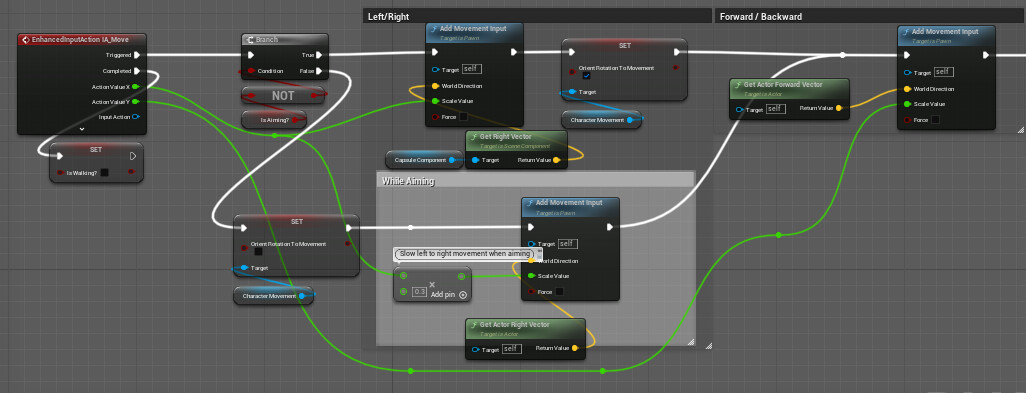
Identify which parts of your motion capture process are rigid and time-consuming. Look for repetitive tasks like retargeting animations across different character rigs or cleaning up noisy sensor data. If these steps consume more than 30% of your production time, AI-driven tools can offer immediate relief by automating these mechanical processes.
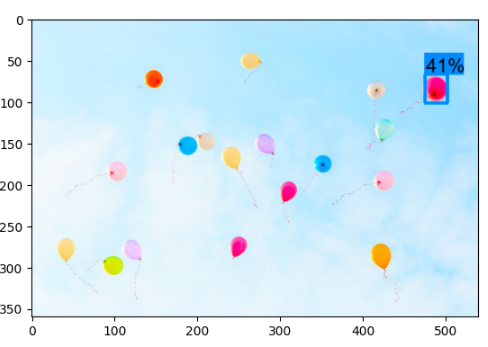
Not all AI models are created equal. Test a few leading move-based programming tools with your most complex animation sequences. Pay attention to how well the AI handles edge cases like fast rotations or occlusions. If the AI consistently produces "jittery" or unnatural movements that require significant manual correction, it may not be ready for your specific use case yet.

Determine where AI fits into your existing tech stack. Will it replace your motion capture studio entirely, or will it serve as a pre-processing layer for human artists? Move-based programming languages like Move (used in blockchain contexts for secure asset handling) offer a template for how to structure these interactions securely and efficiently, ensuring that AI-generated assets are tamper-proof and composable.

Compare the cost of training a new AI model versus the cost of hiring additional motion capture artists. While AI requires upfront investment in data and infrastructure, it scales infinitely. For large-scale projects like open-world games or virtual events, the long-term savings in time and labor often outweigh the initial setup costs.
Spotting Weak Options in AI Move-Based Programming
The shift toward AI-driven move-based programming is real, but the market is flooded with misleading claims and weak tools. Many vendors promise "autonomous coding" while delivering brittle scripts that break on minor input changes. In 2026, the distinction between robust engineering and fragile automation is sharper than ever.
1. The "No-Code" Trap Many platforms market themselves as zero-code solutions for Move-based smart contracts. While accessible, these tools often lack the granularity needed for secure blockchain logic. You may find yourself stuck with generated code that cannot be optimized or audited properly.
2. Vague AI Integration Claims Some vendors claim their AI "writes" contracts. In reality, they are often just auto-completing snippets from public repositories. This creates a false sense of security. Real AI-assisted programming should augment your logic, not replace the fundamental understanding of resource safety and ownership rules.
3. Ignoring the Move Language Roots Move is not just another smart contract language; it is built on a resource-oriented model distinct from Solidity. Tools that treat Move like Ethereum’s EVM are fundamentally flawed. They miss the core safety features that make Move unique, such as explicit resource destruction and module-based access control.
4. Lack of Verifiable Outputs Weak options fail to provide verifiable, deterministic outputs. If the AI generates code that cannot be mathematically proven to adhere to Move’s safety invariants, it is a liability, not an asset. Always demand proof of correctness, not just functional tests.
Programming remains essential, even with AI. The goal is not to replace developers, but to empower them with better tools. Focus on platforms that enhance your ability to write secure, efficient Move code, rather than those that promise to eliminate the need for it entirely.
No comments yet. Be the first to share your thoughts!